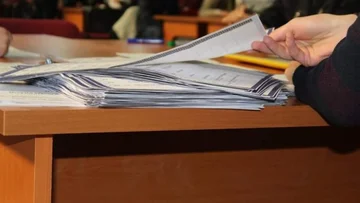
The diaspora vote count is continuing, VV achieves the 53rd term, PDK remains at 22, LDK falls to 18
 3 hours ago
 (7 years ago)
The flour industry in Kosovo is facing a severe lack of grain reserves needed for flour production. Although this product is currently found in sufficient amounts on the market, according to the miller's association, the situation is presented as reserves collected from post-screts farmers last year have been spent, meanwhile [...]
Kosovo has imported wheat to the largest extent from Serbia, but since November 2018, when the Kosovo government imposed the 100 per cent customs fee for imports from Serbia, the purchase of wheat from this country has dropped completely.
The provision of wheat as the first material for the production of flour from other countries in the region and the European Union has raised costs, including the cost of transport, say representatives of the Kosovo milling association.
Kosovo has never managed to provide the needs of the wheat-productive population. It is constantly dependent on import, which mainly came from the state of Serbia.
Bashkim Zejnullahu, chairman of the Kosovo Valley Association, in a campaign for Radio Free Europe, says millers are providing enough flour to crack into the market, but not even the wheat needed for farmers.
The “those who are faced with this phenomenon are farmers. Those who have deposited in past season or the previous grain season in Kosovo mills currently have no chance of attracting the necessary amounts they seek. Here's the most alarming situation. It's not an alarming situation on the market, because we supply 50 to 100 tons as much as we can afford, process and market it. But those who are really the most affected are the bitches and that wheat today is not in the” warehouse, Zejrullah said.
Farmers in Kosovo, after the end of the harvest-winning campaign, deposit the wheat provided in mill depots, and later, at demand, receive flour.
The mills say gathering wheat from farmers facilitates the development of their activities. Farmers can sell or exchange wheat with some products in Kosovo mills.
Representatives of the Kosovo Agriculture Association also confirm these problems farmers are facing.
Pal Djurovic, chairman of this association, in a conversation for Radio Free Europe, said that in the absence of wheat and flour in mills, farmers have failed to attract the required amount, but limited amounts or were forced to withdraw prematurely, meaning the period immediately after the tax is imposed.
“has been raised as a concern because most of them can get the limited amount. Thus, both surfaces and productivity have been low. The mills have their own problems, so farmers have faced these difficulties”, Djuray points out.
Because of the lack of wheat in the market, the Union Zejnullahu says flour on the Kosovo market is being introduced by Northern Macedonia, Croatia, Hungary and other European Union countries. But, disturbingly, it remains the quality of wheat, adding that Kosovo is supplied with supplies of previous years of wheat from other states.
The wheat reserves in northern Macedonia do not meet the minimum criteria for flour. And we think that the wheat that is being processed in the mills of Macedonia (North) is entering Kosovo as processed flour in Kosovo”, Zejnullah said.
In Kosovo in 2016, 37 million pounds [37 million kg] of flour worth 8 million euros have been imported, and during 2017, Serbia's state in Kosovo, 22 million pounds [22 million kg] of flour, exceeding 4m euros.
The Kosovo government on November 6th last year had initially imposed a 10 per cent customs duty on products imported from Serbia and Bosnia and Herzegovina. This customs tax rose 100 percent on November 21.
The European Union and the United States of America are calling on the official Pristina to suspend this tax so that the continued possibility of dialogue in Brussels, between Kosovo and Serbia.

 5 hours ago
 6 hours ago