an hour ago
Five Ways to Cope With Mental Pains

Periskopi(7 years ago)
(7 years ago)1. If your periods are making a big difference in your daily life, then look for advice to cope with your pain. Manstrual pain occurs when the muscular walls of the uterus are strengthened to stimulate menstruation (unfettered egg) to be spilled, says Dr. Caroline Overton, a gynecologist and a spokeswoman for the Royal University of Obstetricians and [...]
1. If your periods are making a big difference in your daily life, then look for advice to cope with your pain. Manstrual pain occurs when the muscular walls of the uterus are strengthened to stimulate menstruation (unfettered egg) to be spilled, says Dr. Caroline Overton, a gynecologist and a spokeswoman for the Royal University of Obstetricians and Gynecologists. The feeling of pain is because of the contraction of the wall that squeezes blood vessels, which temporarily disrupts the blood supply, and thus oxygen, in the womb.” Overton points out that period should not affect our daily life or work regularly. If you need to change the way you dress, avoid going to work, or engage in social activities just because you're on periodicals, then your period is not normal. It is thought that up to 20% of women suffer severe and deteriorating pain over time during the arrival of the menstrual cycle. Doctors may suggest combined oral contraception or contraceptive implants, injections, or hormonal spirals.
2. Try Juice. For many women, such drugs as ibuprofen or paracetamol are often sufficient, and as long as they are taken in the correct dosage, both can be taken together. A 2012 study of the Nigerian effect on menstrual pain revealed that this plant had a statistically important effect on the ease of intensity and duration of menstruation. Those women who received ginger dust reported less pain than they did, suggesting that the Gager might have been effective if taken at the beginning of menstruation or three days earlier.
3.Orgazma. Although there is little evidence that sex and orgasm help manage menstrual cramps, it is possible to feel a temporary softness of pain when muscles stop after orgasm. It's not dangerous if women jerk off or have sex during periods, so if they feel good, let them do it”, Overton says. For some women this may be helpful because neurotransmitters seem to take away the attention of nerve fibers involved in menstrual pains. Remember there's a need to use protective contraception against pregnancy and SST if you have sex during periods.
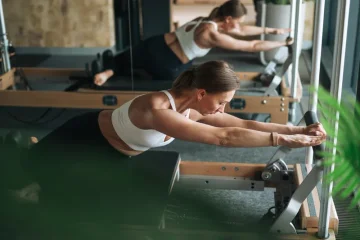
4. Try some light practice. Exercise women may have less painful periodizations than those they do not, studies say. However, if you are unable to do so, just remember that you can exercise lightly like swimming, walking, or cycling. Yoga can also help alleviate these pains.
5. Stay hydrated and use heat. Dehydration can cause greater pain so that women should take care to drink as much water as possible and consume a little alcohol and caffeine. In addition, plant tea may be useful. Heat could also be effective in reducing cramps. A warm shower, or a bottle of hot water in the belly, can alleviate the pain of the uterus's muscles.