The diaspora vote count is continuing, VV achieves the 53rd term, PDK remains at 22, LDK falls to 18
 2 hours ago
 (6 years ago)
Lettia Battaglia was convinced that she would one day be killed. Or worse. She knew better than many others about the terrible ways in which Mafia victims were brutalised and degraded. Even threats to death did not fail them in the form of telephone calls and anonymous letters. [...]
Even threats to death did not fail them in the form of telephone calls and anonymous letters.
But she went on, documenting the most terrible crimes of mafia through the photograph for nearly 20 years, refusing to be frightened, says a Sky News script, records the Telegraph.
In addition, some of its images were later used as evidence in court hearings.
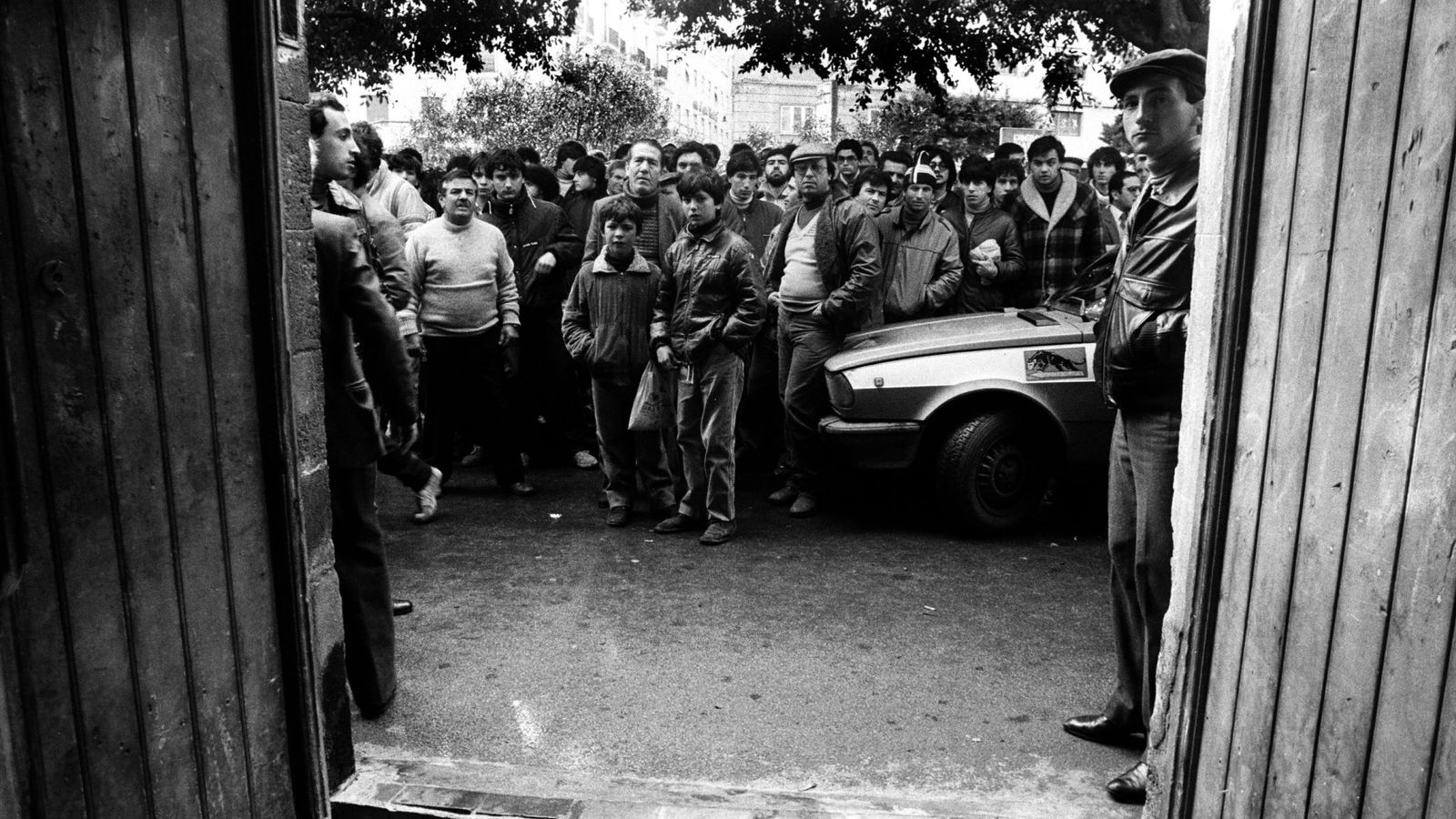
Its photos show the effects of mafia murders on families and communities
Now 84, the first photographer in Italy is subject to the new documentary film by director Kim Longinotto, “Association The Mafia”, which shows the ugly realities of life under the notorious Corleone gang.
The first <x0... the murder never leaves your mind”, Battaglia tells the camera, remembering the first dead body she's ever seen, just three days in her work for a newspaper in Palermo.
Battaglia remembers the sights, the wind, how it shook at the corpse.
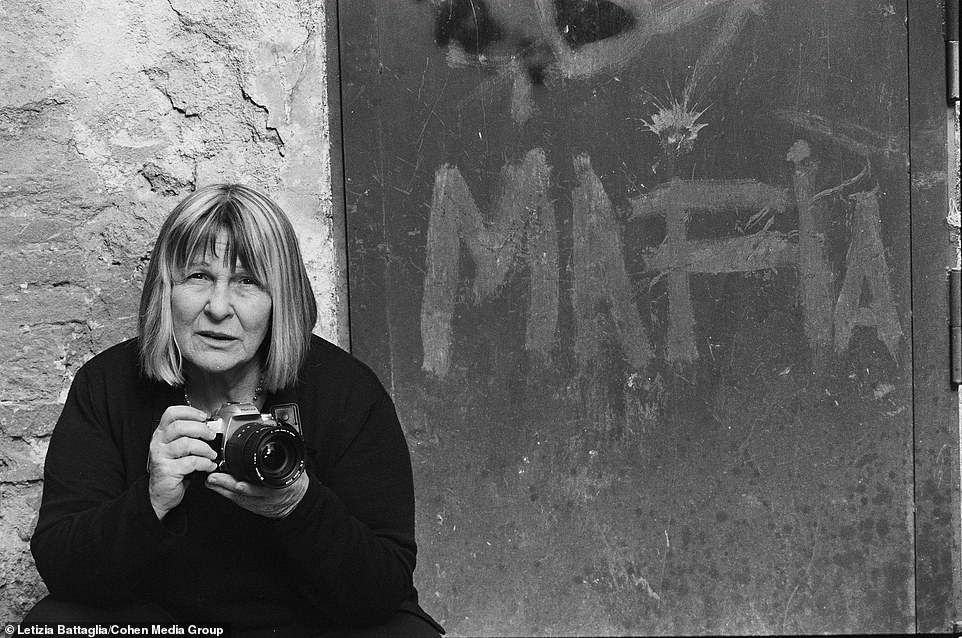
The new documentary presents a portrait of a prominent woman whose bravery helped expose the brutal crimes of the mafia (in photo: Battaglia poses with her camera to promote her new film
What she didn't know at the time was that this would be the first victim, out of hundreds of bodies and the beginning of a “a bloodbath archive”.
In contrast to the excellent portraits that we see on the big screen, “Association The Mafia” presents photos of such terrible murders.
The dead bodies, the sorrows that are on the faces of the families that are left behind; Battaglia documented everything.
One in particular is hard to hide from memory: a little boy, facing down at a gas station in a blood pool; a witness to his father's murder, he was shot from behind in the vicinity.
Battaglia had never allowed anyone to see that picture before, says Longinotto to Sky News, follows Telegrafi.
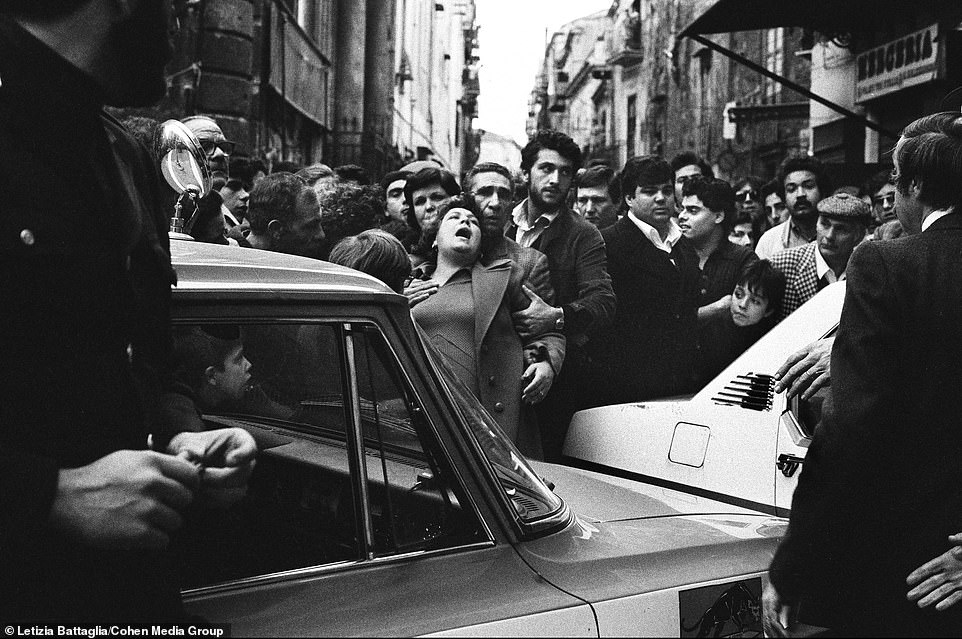
A worried woman held by the men behind her. There were sometimes five murders a day, says Battaglia. “Look at my pictures, there's only blood, blood, blood, ”
Many heavy images were there, and it's an image that really shows how far the Mafia is capable of going.
Longinotto, who has made a name for himself by documenting rebels and outsiders, says Battaglia was a story she had to tell.
Whatever it does is breaking conventions, it does not seem to adhere to any of the rules. And the courage she had. When you think she just had a camera she had no bodyguard, there was nothing”.
The scale of Mafia brutality and power in the 1970s, '80s and early '90s is discovered through rare images and personal photographs of Battaglia from an archive of about 600,000 photos and its memories.
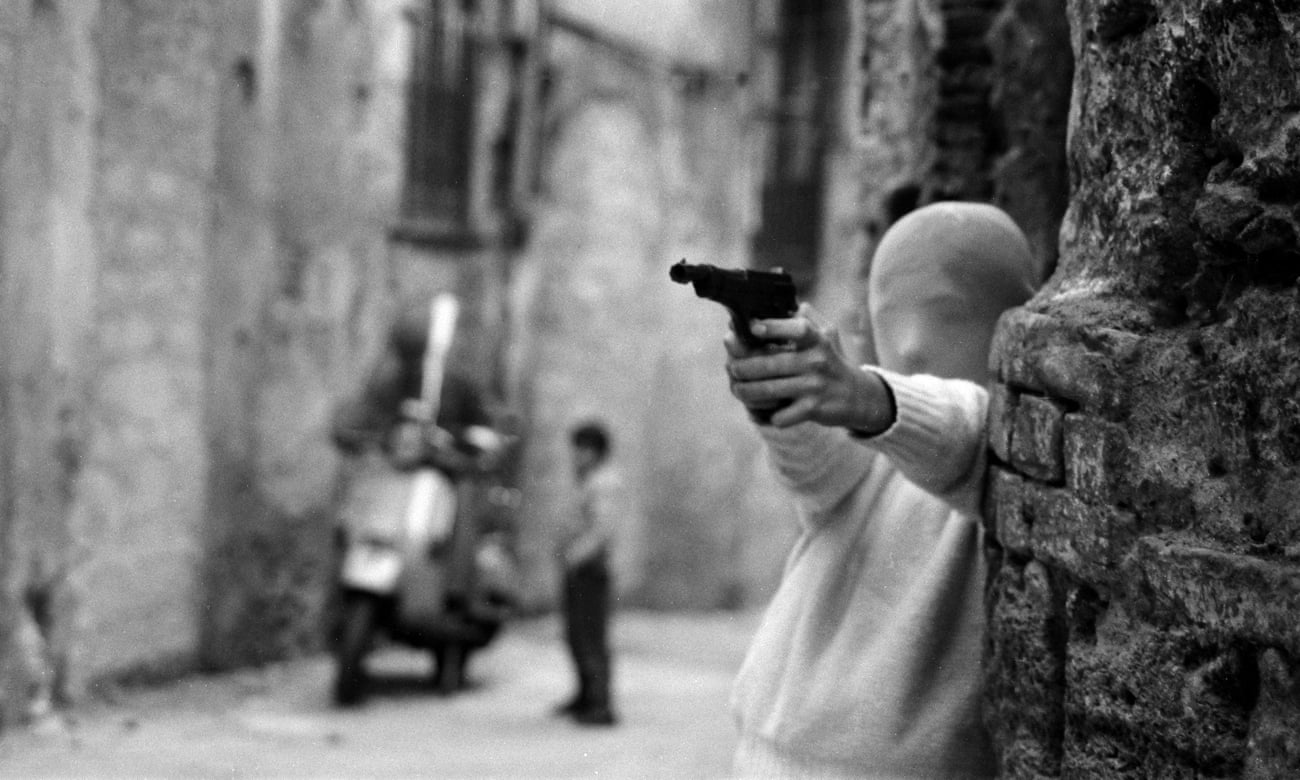
People were even afraid to see my photos” A child with a gun in Palermo, 1982 (Photo: Lettizia Battaglia)
Battaglia herself refers to images she received over the years as “a bloodbath archive”.
There's nothing fascinating about the reality of Mafia life, says she's learned from these, Longinotto.
And the organs that were cast among the dead of the sheep, and cast down into acid; and the cactuses and the rock that were laid in the mouth of the victims, a child that was kept captive, and shot in the back of the head, without a second thought.
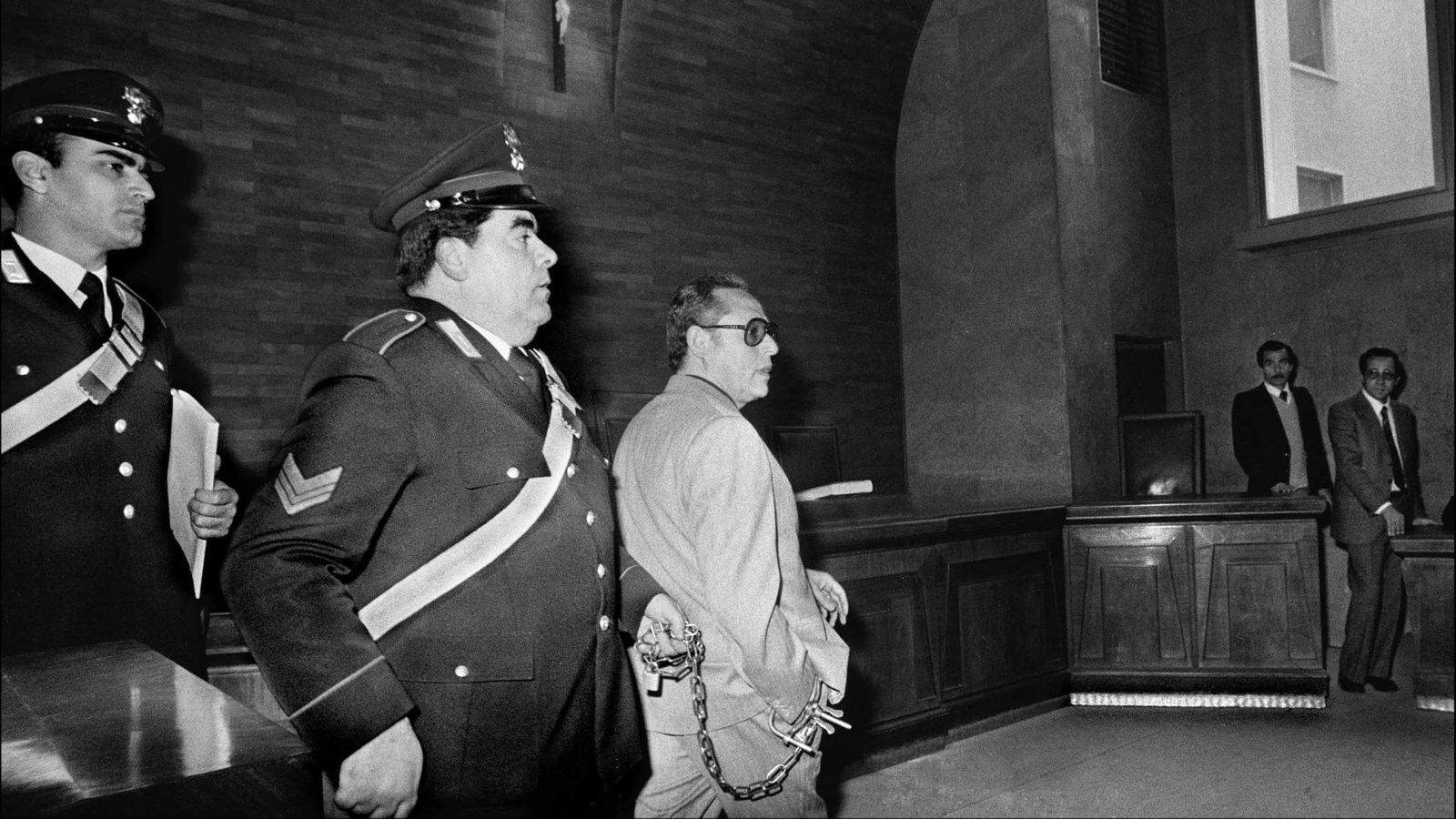
Battaglia photographed Mafia boss Luciano Leggio leaving for court
For Battaglia, photographing the mafia became its life mission, says Longinotto. “was like one: I'll show the world what these people do.
While describing terrible scenes and painful emotions, Battaglia is a talented photographer whose photos entitrate the tragedy.
In the documentary, it shows how it hates the fact that people can see beauty in images.
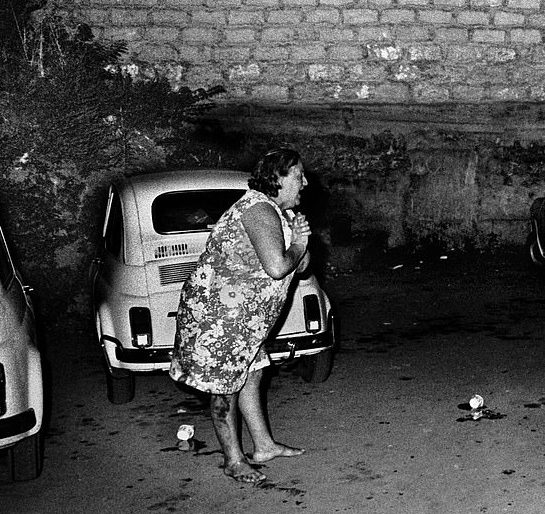
A woman shakes her hands as she looks at a corpse covered in a white sheet in an automobile park. The title of Letzia Battaglia says: Palermo, 1976. Vincenzo gets killed in a dark alley. His wife tried desperately to help him, but it was late. (Photo is processed because of heavy images)
In one of her confessions, she relates how on May 23, 1992, Judge Giovanni Falcone, who had spent most of his adult life trying to undermine the power of the mafia, was killed by the bomb explosion.
Since she was a Battaglia friend, she could not bring herself to take pictures at the scene.
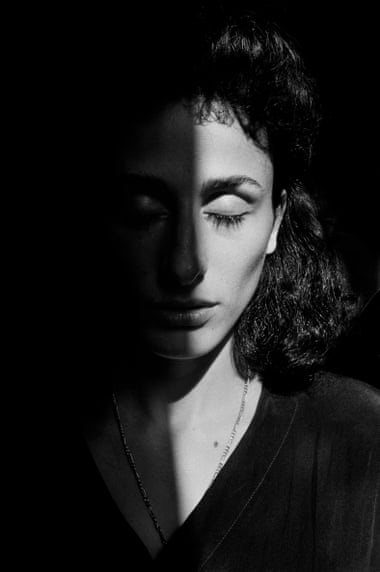
Rosaria Schifani at her husband's funeral in 1993 (Photo: Lettizia Battaglia)
He was a dear friend and she loved him”, says Longinotto. “E however it was there to take photos. It says “I'm missing photos that I didn't make”.
Falcone had told Battaglia after the death threats she took, that she should stop her work and leave Sicily.
But she went home and thought: Well, you didn't quit your job, Falcone. And so I shouldn't be leaving.
But what's impressive about all this is the fact that Battaglia was a woman and if the Mafia really wanted her dead, she'd die!
Was it <x0merial” that they enjoy the elevated level of fame through its photos?
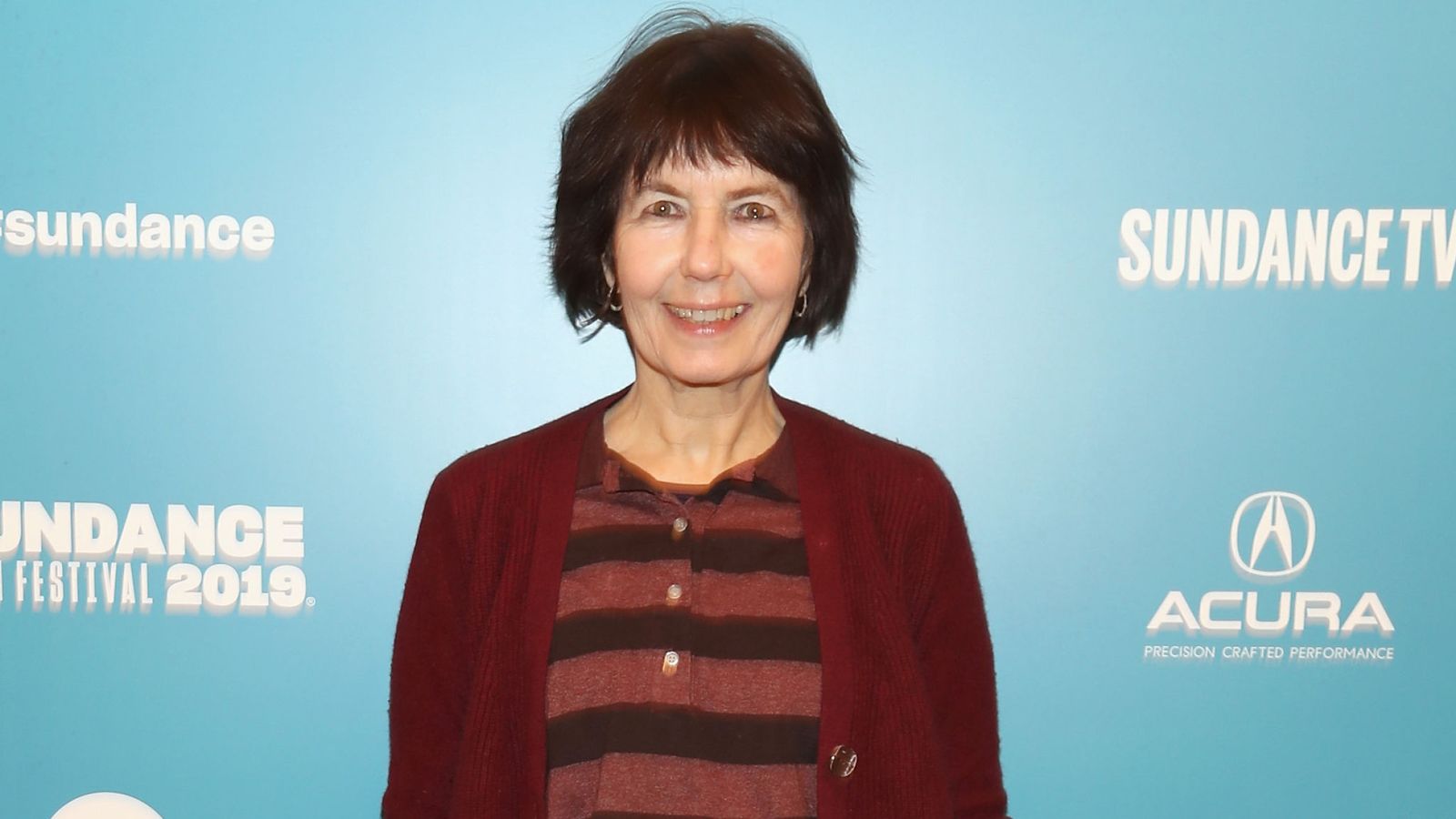
Director Kim Longinotto says that work in the movie has changed her mind about the Hollywood mafia description.
I've wondered why she wasn't killed, because it would be the easiest thing in the world. But yes, they absolutely loved fame. More and more, her pictures came on the front page”, says Longinotto.
Longinotto may be a documentary creator, but she says it's safe that there can be room to put Battaglia's story on the big screen.

 4 hours ago
 6 hours ago