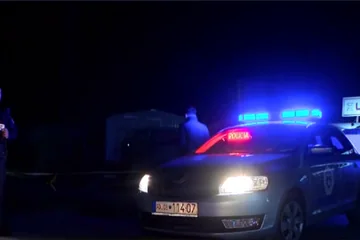
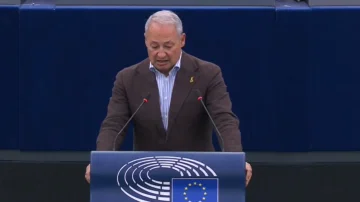
The diaspora vote count is continuing, VV achieves the 53rd term, PDK remains at 22, LDK falls to 18
 2 hours ago
 (7 years ago)
Astrit Panja from the Kosovo Producers Club has said that the 100 per cent fee towards Serbia and Bosnia and Herzegovina has been the political decision that has had economic implications. Kosovo has reduced import volume, meaning it has domestic production growth. From post-war we have no decline in import volume. This [...]
Kosovo has reduced import volume, meaning it has domestic production growth. From post-war we have no decline in import volume. This means that they have been replaced by production. There's been increased employment. With the survey we've done with producers there have been cases that have marked increases in production and employment growth”, Panja has said.
When taxes are imposed on the economic aspect, it is suggested that there will be a shortage of products, price escalation. Price hikes have occurred, but not because of the tax, but there have been businessmen who have wanted to benefit in its name”, he has said in the debate in Info Magazine, dedicated to an anniversary of the fee set by the Kosovo government.
Kosovo's “Production has marked growth. Numbers show there has been a positive economic impact. Serbia in the past has overlooked all topics in the economic domain, but one has had a huge impact”.
Panja has stressed that the move warned of reciprocity against Serbia should apply to Albania as well.
The next “government should be decisive enough to approach Serbia. Trade policy towards Kosovo does not distinguish much from Serbia from Albania. One brotherly country, the other enemy. We have economic burdens from both countries. Reciprocity means not only with Serbia but also with Albania”.
Kosovo producers are isolated with artificial barriers. Albania comes up second for non-tariff barriers to Serbia, which has against Kosovo”.

 4 hours ago
 5 hours ago