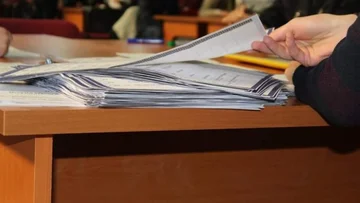
The diaspora vote count is continuing, VV achieves the 53rd term, PDK remains at 22, LDK falls to 18
 7 hours ago
 (7 years ago)
War reporter Kenneth Jarecki went to Iraq during the Gulf War and Sandstorm action, and took a shocking picture. Many reporters do not consider war reporters to be artists. Even under such circumstances, however, many can capture fantastic scenes and find some traces of mankind in an environment [...]
War reporter Kenneth Jarecki went to Iraq during the Gulf War and Sandstorm action, and took a shocking picture.
Many reporters do not consider war reporters to be artists. Even under such circumstances, however, many can capture fantastic scenes and find some traces of mankind in a harsh, inhuman environment.
The history of the war photo returns to World War I, but the 1930 ' s Spanish Civil War ultimately aroused the media's desire to inform readers in detail about the war.
The main role of war photoreporters is to report to the world about war horrors and warn mankind that armed conflicts do not solve problems, but only cause pain and suffering.
How terrible it may have been witnessed by many photographs of war throughout history, but the picture taken on February 28, 1991 by Kenneth Jarecke in Iraq was truly special.
An Iraqi soldier died in severe pain. He tried to get out of a military truck through a roof and broken glass after a fire swept through the vehicle. He failed. He was trapped in a spasmic attempt to save his naked life as the fire turned his body into the ashes of fuel.

In the photo, the soldier's hands came out of the broken wind glass, his gaze focused somewhere in distance, and his mouth was irritated by a painful death spasm.
That day Kenneth Jarecke stood in front of the burnt man and took a picture of him. Just a moment before the soldier was alive. He had a name, he fought in Saddam Hussein's army, he had a degree, he went on. Or maybe he was just a regular young man from the streets of Baghdad, recruited and forced into war.
Jarecke took the picture shortly before the war officially ended with Operation Storm of the Desert. The event was directed by US forces to crush Iraqi troops from the Iraqi-torn Kuwait six months ago. Kenneth's picture was a symbol of that Gulf War, but she never saw the light of day, as no media in America wanted to publish it.

The picture is not completely lost. In the United Kingdom and ébération) in France they were announced shortly after being rejected by the American media.
Many months later, however, photography appeared in the special magazine American Photo and immediately caused controversy. But it came too late to give an important impact to the audience.
Although it was published in two newspapers, it did not reach the front page, but it reached a wide reader and conveyed the message Jarecke had in mind when he caught it with his camera.

 9 hours ago
 10 hours ago