7 hours ago
The fetus's proper position to make birth easier

Periskopi(7 years ago)
(7 years ago)The proper position of the fetus is very important for waiting mothers approaching the date of birth. You may have heard that some mothers had a difficult birth because the child was not in a proper position. This can happen because of many reasons, such as when a hip [...]
The proper position of the fetus is very important for waiting mothers approaching the date of birth. You may have heard that some mothers had a difficult birth because the child was not in a proper position. This may be because of many reasons, such as when the mother's hip is smaller than the baby's head. The fetus's opitmal position helps address these concerns.
Why is it important to position the fetus?
If we can work around Baby's Birth Position Before birth begins, birth can be easier and more efficient management. The ideal position of a child's birth is when his head is down and the child's back is in front of the womb. This will facilitate a more orderly move of the baby into your basin. The baby can bend and turn its head and neck by leaning its beard on the chest, allowing the body to stimulate the neck of the mother's womb to open.
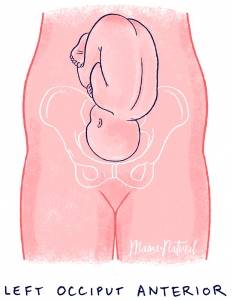
On the other hand, the OP position is not very appropriate for birth. Because of a change of position, the child is placed in front of the womb. Later birth may be intense and more painful because it is difficult for a child to climb a beard and move toward the hip. This can cause late birth.
Many OP babies are born after date or through cesarean surgery because of their adverse positioning. The mother also has to endure considerable back pain during childbirth. And even when contracting starts, it can result in much pain.
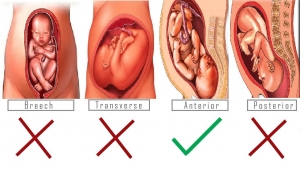
How to Determine Your Child's Position
There are ways in which you may know your child's position. In OA position, the baby's back will look quiet, firm and round towards a side of the stomach, while in OP position, the stomach will look more flat. You can feel the child's limbs towards the front side and the shocks around the center of the belly, which is another indicator of the op position.
How can you avoid Op position?
It's the simple physics of the body that's heavier trying to fall down. And in the case of the baby, it's the back. If you are bent forward as you sit in a chair, the baby's back will fall toward the stomach. But if you're standing on a couch, then your back lowers your position compared to your stomach, and your child also changes his position according to the circumstances.
The best way to keep your body on the days of pregnancy is to try to stay stable as much as possible, keeping your trunk a little tilted. Square is also a useful exercise you can try.