3 hours ago
The doctor answers: Will the baby be healthier if we don't eat meat?

Periskopi(8 years ago)
(8 years ago)How famous are vegetarian babies? Many parents do not give babies meat because of cultural reasons or because of allergies problems. But is it wise to make a vegetarian child, and how much can this affect your baby's health? Whether you decide to feed your baby [...]
Many parents do not give babies meat because of cultural reasons or because of allergies problems. But is it wise to make a vegetarian child, and how much can this affect your baby's health?
Whether you decide to feed your baby or not, you are obligated to avoid endangering your child's health, it transmitsgraphy.
) If the mother decides that her child should feed on vegetarian food, she should certainly care for breast - feeding.
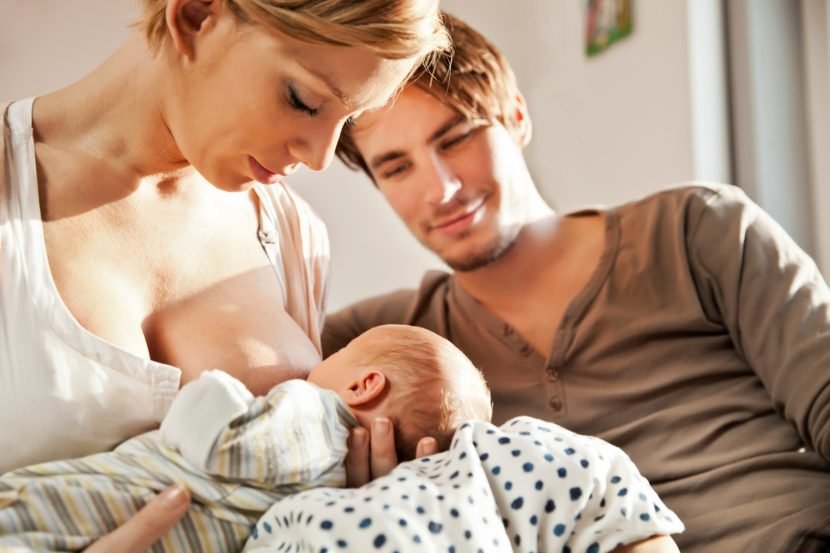
Milk is the main food for the newborn, and everything you give to your child in the first year from the food items is just to taste something, says Dr. Ellie Cannon.
In addition to breast - feeding, the vegetarian baby is necessary to feed on items that can compensate for energy, but to add essential fats that will advance its development.
After the sixth month, the baby must eat two portions of protein, which are found in legumes, hairs, and hummus ʹ, Dr. Canno.
Baby needs energy but also calories. All of this is possible in exploiting integral cereals, only it's important to add their amount.
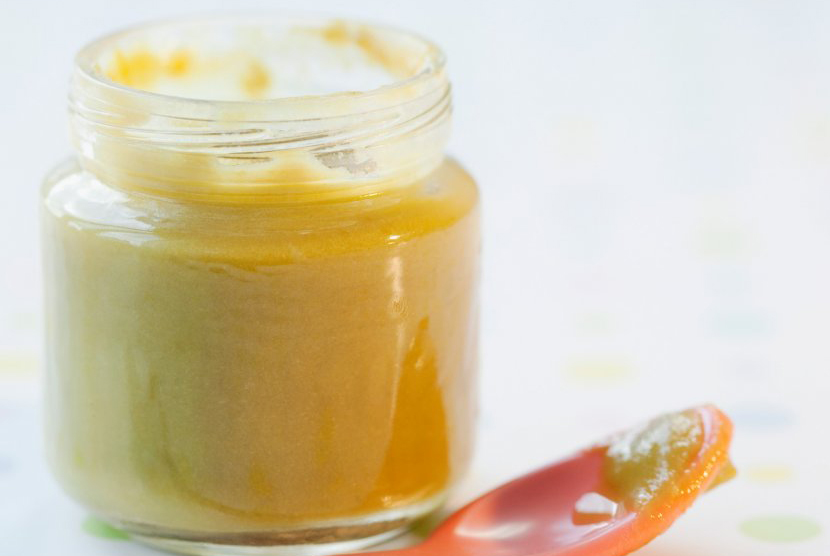
Many vitamins and minerals containing meat are also found in cereals and vegetables. For example, dark - leaf vegetables such as spinach contain a lot of iron, so you do not need to include meat products in portions.
cow milk contains calcium, but if you're vegetarian and your child is on that diet, then you should avoid this article. Calcium can also be compensated for with the use of green - leaf vegetables.
However, their calcium concentration is smaller, so it must be available almost every day in the lunch ration. In that way your child's bones will develop just as well as the bones of that child who feeds on meat.
B12 Vitamin needs to be compensated by using supplements so that a child can grow straight.
Although experts recommend that a baby between the sixth month and a year should also be given vitamins A, C, and D.