2 minutes ago
Swiss newspaper Blick: Albanians are integrated. They used to fight, buy BMW, and whistle at women

Periskopi(8 years ago)
(8 years ago)The World Cup is over for us. But not even the discussion of the eagle made in the match against Serbia. Albanians are integrated. We visited four of them. The Swiss World Cup ended last Tuesday. What we will remember after several years are these facts: the second round, the eagle [...]
The Swiss World Cup ended last Tuesday. What we will remember after several years are these facts: falling into the second round, eagle with two hands, dual citizenship. The Swiss cross boys on their breasts caused many reactions to their symbols. Now the Swiss Federation of Football requires footballers to hold only Swiss passports if they want to play.
This debate has raised not only the attention of Swiss under the names of Mueller, Meier and Gerber, but also those named Gashi, Beqiri and Berisha. Swiss with Albanian roots. The debate over eagle and dual citizenship enables us to feel the pulse of a population that once supported the Balkans, social parastheism and discotheques.
Connection to Homeland Has Relaxed
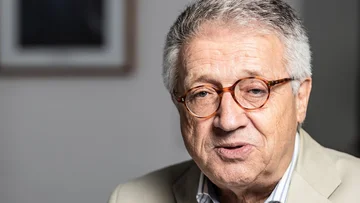
Half of the 170 thousand Kosovars in Switzerland today have the red passport. The Swiss cross is on the eagle. Not just symbolically. The reality is that Albanians have come to Switzerland. The birthplace of the new generation of Kosovars is still the old one, said 47-year-old Hamit Zeqiri, who works in Lucern in the public sector. But the connection is weaker”, he says.
According to Zeqiri, young people have less and less desire to send money to the second house, BMWs are being replaced by Volkswagen, and wedding ceremonies in the country of origin are being organised less and less. The motto is: We like Albanians but more who are here. Women and men from Kosovo do not speak German, their schooling is not recognised here.
The “Family does not want to take this responsibility in”, Zeqiri says.
Albanians are the new Italians. They were considered lazy people who don't work for anything, whistle at women from behind, and as held Communists, they didn't hear what their bosses had to say when they found work.
Albanians had suffered an imashi crisis. When tens of thousands of Albanians went to Switzerland during the Balkan wars during the years 99, they had initially received sympathy. They took refuge, took furniture, clothes, bicycles. Over the years, Swiss hearts beat less and less for refugees. The fights started.
Because they did not know better”, Hamit Zeqiri says. Traumatized parents, weak language skills, plus another culture.
“They felt threatened and inferior”, Zeqiri says. With the beatings of the big BMW, they turned the situation into a disadvantage. Even in the football field, they fought with others. /Periscope/