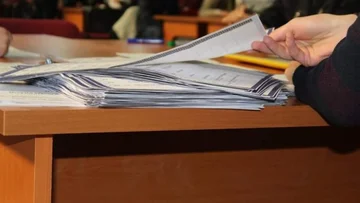
The diaspora vote count is continuing, VV achieves the 53rd term, PDK remains at 22, LDK falls to 18
 7 hours ago
 (8 years ago)
US Assistant Secretary of State for Europe Wes Mitchell painted an American policy mirror in Europe, stressing that the continent is once again a theatre of serious strategic competition. At a hearing hearing in front of a Senate subcommittee for Europe and Regional Co-operation, the US diplomat said Europe is facing pressure on [...]
In a hearing hearing in front of a Senate subcommittee for Europe and Regional Co-operation, the US diplomat said Europe is facing pressures on many fronts such as strategic campaigns from Russia and China, the record wave of immigration, Iran's ambitions in the Mediterranean, and a crisis of confidence in European institutions.
Russia and China are particularly aggressive in Central and Eastern Europe. Our priority is to curb Russian aggression”, Assistant Secretary Mitchell said.
We seek a better relationship with Russia. But that can only happen when Russia stops its aggressive behavior. We will not compromise our principles or our allies. As Secretary Pompeo said, the years of soft policy that enabled Russian aggression are over; we will continue to raise costs of Russian aggression until President Putin chooses a different”, he said, the Voice of America reported.
The United States is building a long-term strategy to strengthen the American presence in the Eastern Mediterranean by cultivating Greece as a pillar of stability in the Mediterranean and the Western Balkans, and by working to systematically strengthen security and energy co-operation with Cyprus.
US Assistant Secretary of State for Europe said the United States is boosting its commitment to the Western Balkans.
“Amid an active diplomacy and close co-ordination with the EU, we supported the visionary leaders, Prime Minister Tsipras and Prime Minister Zaev for reaching a historic agreement on the name between Macedonia and Greece. We have added communication with Serbia and Kosovo and are promoting reforms in Bosnia and Herzegovina”, Mitchell said.
Responding to a question by Senator Jeanne Shaheen concerning demonstrations held in Greece and Macedonia and the possibility that these developments will negatively influence the ratification of the agreement, Assistant Secretary of State said he is concerned about the possibility of a Russian intervention, which was clearly seen in Montenegro.
He said Russian representatives have made threatening statements, making the situation disturbing.
“UA has made it clear to the Russians that we are monitoring the situation closely and that it is not for Moscow to decide for Macedonia's future”.
The deputy secretary of State sees resolving Macedonia's name issue of a measure like the Dayton Agreement that ended the 1990s conflict in the Balkans. He said the effects of the success of the agreement between Greece and Macedonia will serve as a good opportunity to continue resolving other problems in the Balkans, such as dialogue between Kosovo and Serbia and the situation in Bosnia and Herzegovina.
 9 hours ago
 11 hours ago