The diaspora vote count is continuing, VV achieves the 53rd term, PDK remains at 22, LDK falls to 18
 4 hours ago
 (8 years ago)
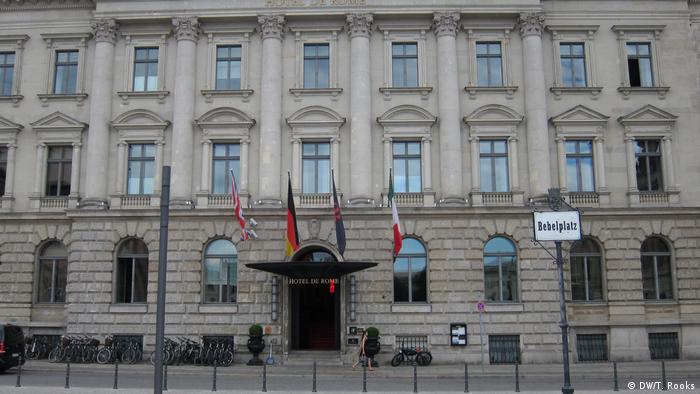
This week marks the 28th anniversary of the monetary union between East and West Germany. If the central bank of East Germany is remembered for anything, it is usually remembered for just one thing the sudden loss of it completely. The Berlin Wall fell on November 9, 1989. A few months later, Sunday, [...]
If the central bank of East Germany is remembered for anything, it is usually remembered for just one thing the sudden loss of it completely.
The Berlin Wall fell on November 9, 1989. A few months later, Sunday, July 1, 1990, the central bank of East Germany has surrendered its monetary policy sovereignty to the West Germany Bundesbank more than three months before the two countries become one.
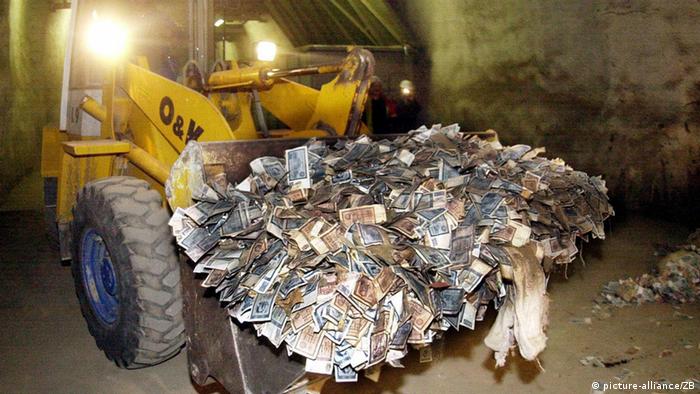
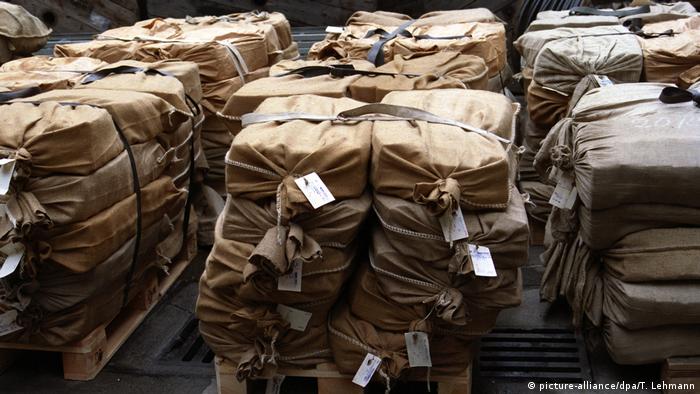
The coin at the East German bank was automatically converted. But nearly 17 million of East Germany had only six days to convert their money or lose it.
There were no current exchangers where the coins changed places. All East German brands were to be deposited in a bank account to be exchanged. The money found after July 6th was worthless. The race was open, “reported DW” Transmission Periscope.
The exchange rate also required many companies to go bankrupt by overestimating the East Germany sign and suppressing the competition of East Germany companies, thus increasing unemployment and promoting migration to the west”, says Professor Wilfried Fuhrmann, whose <x2 consequences we still see today”.
From the start, the central bank of East Germany faced a difficult battle. The recent monuments of World War II had just begun. The country was ruled by four winners. The Germans had very little to say. The old Rachsmark was still the official currency, although the black market was flourishing. The preservation was meaningless, only survival was important.
To help the country towards financial stability, the Soviets consolidated a series of institutions in East Germany that would take care of monetary policy.
After Western areas announced a currency reform in mid - 1948 and established the German mark, the Soviets did the same in their occupation area. The final result was Deutsche Notenbank and the introduction of the special East German currency. Many see this as a non-returnal point for dividing the country into two parts./Persycopi/

 6 hours ago
 7 hours ago