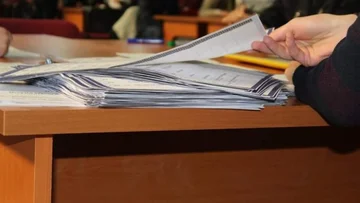
The diaspora vote count is continuing, VV achieves the 53rd term, PDK remains at 22, LDK falls to 18
 2 hours ago
 (8 years ago)
Daphne Gallizia's family has given German authorities the data for the murdered journalist. Family members do not trust Malta authorities, so they have sought help from German authorities. Two laptops and three discs with data from journalist Daphne Carwana Gallizia are now based on German media records in [...]
Daphne Gallizia's family has given German authorities the data for the murdered journalist. Family members do not trust Malta authorities, so they have sought help from German authorities.
Two laptops and three disks with data from journalist Daphne Carwana Gallizia are now based on German media data é in the hands of the Bureau for Crime Investigation (BKA). The journalist's family killed a year ago did not want this data to be handed to investigators from Malta because Carwana Gallizia did not trust local police.
So report papers “Süddeutsche Zeitung” and “Zeit”, which are part of the research in “Project Daphne”, dedicated to the murder of the journalist from Malta. BKA told Deutsche Welle that there is currently no position on this murder.
Is there any interesting data on the computer?
There's all the research and exchange of letters from the late journalist. The data is considered very interesting, and there may be even indifference to the motives of her murder. The government's critical journalist was killed on October 16, 2017, with a car bomb in Malta. Her murder caused intense indignation worldwide.
The 53-year-old has discovered many corrupt relatives in Malta. She has also researched the data for “Panama Papers”, directed among other things against Social Prime Minister Joseph Muscat and his wife.
The family is afraid of missing data.
Carwana Gallizia's husband and sons fear that Malta police could eliminate evidence whitewashing the murder and motives of the journalist's murder. They fear Malta's investigation can compromise the journalist. Hence, they have decided to send the data to Germany because they trust the German authorities that they will not eliminate any evidence.
The prosecution in Wiesbaden has announced to the case prosecutor in Malta that a copy of the data can be given, reports the newspaper “Zeit Online”. The judge from Malta Aaron Buge has also been notified of computer data content.
Investigators from Malta have only been able to watch computers with journalist records so far by 2015. German officials have told “Süddeutsche Zeitung”, that the possibility of Malta authorities seeking additional information from computers is not ruled out.
 5 hours ago
 6 hours ago