2 days ago
Study by Motorola: We're dependent on our phones!

Periskopi(8 years ago)
(8 years ago)The wise telephone is an important tool these days. He keeps us connected with our friends and family, our passions, our memories, and some of us allow us to connect with our material means of life. These things have become extensions of ourselves to the point of instilling [the] ways....
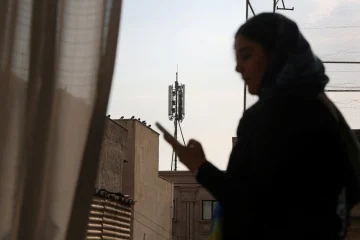
The wise telephone is an important tool these days. He keeps us connected with our friends and family, our passions, our memories, and some of us allow us to connect with our material means of life. These things have become an extension of ourselves to the point of instilling behavioral ways, especially in the new generation of smart phone users who grew up in a digitally connected world.
Motorola has organized a study with Dr. Nancy Etcoff, expert at Mind-Brand Behavior and Science of Happiness at Harvard University. Dr. Etcoff is also a psychologist at the General Department of Psychiatric Hospital in Massachusetts.
A third party research company surveyed 4,418 smart phone users between the ages of 16 and 65 in the United States, Brazil, France and India and came up with these findings.
About 33% of participants put their wise telephone priorities to interact with loved ones who want to spend time with them.
Smaller phone users face greater behavioral problems with 53% of Geneva users Z describing their phones as their best friend.
61% of respondents agree they would like to use as much of their phones as possible, while even more in life when they are not using a phone.
60% of people say it's important to have a life away from their phones.
The following findings involve especially small phone users.
49% of users agree that they control their phones excessively, while 60% of the generation agree that they impulsively control their phones.
35% agree they are spending too much time on their phones and 44% of Z believe they would be happier if they spent less time on their phones.
65% admit they're panicking when they think they've lost their phone while 3 in 4 participants
They agree that they often think or plan the next time they can use their phones.