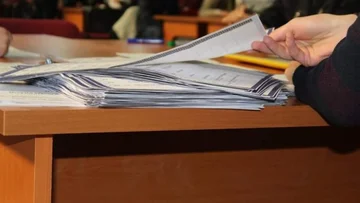
The diaspora vote count is continuing, VV achieves the 53rd term, PDK remains at 22, LDK falls to 18
 3 hours ago
 (8 years ago)
The losses caused to Serbia and Bosnia and Herzegovina have filed a binding tax on products of these states from the Republic of Kosovo, according to some data show Serbia's export is 17 billion euros, of which within 500m euros end in Kosovo. The Kosovo Government's decision of November 21st [...]
The Kosovo Government's decision of November 21st 2018, through which 100 per cent for products imported from Serbia and Bosnia and Herzegovina, has caused euphoria among Kosovo Albanians. While Kosovo Serbs as well as those in Belgrade are trying to find the blame within the Kosovo government.
The views on this tax are different, but the two are the main effects of tax on the economy of states that do not recognise Serbia, Kosovo and Bosnia, but also the political aspects of the tax, public television reports.
For Serbia and BiH, Kosovo does not exist as a state. In the meantime, both countries are alarmed by the decisions of a country that is a fanatic to them.
In the practical plan, following the establishment of this line, on the Kosovo border until mid-week, only 38 trucks with goods from Serbia and 11 from Bosnia have managed to penetrate. These trucks have paid around 150,000 euros in protective measures to enter the Republic of Kosovo.
But, while concern in Serbia is economic loss about 500m euros a year from exports to Kosovo, concern remains the price hikes in Kosovo.
The bread from 30 cents has been expensive to 40 cents, as Kosovo makes the main flour supply from Serbia.
Meanwhile, according to official data, during 2017 Serbia has exported 17 billion euros in goods. Top Serbian goods export partners remain Italy at 13.1 per cent of exports, Germany with 12.5 %, Bosnia and Herzegovina with 8 per cent, Russia with 5.8 % and Romania with 4.8 %.
Meanwhile, according to statements by Serbia's prime minister, Ana Brnabiq, Serbia loses about 42m euros a month from establishing this tax against Serbia.
Economic recognitions, reports public television in Kosovo, say that for a state with exports of 17 billion euros, the loss of a 500m-year market does not represent any major economic shock. And if no taxation of electricity is calculated as the main product Serbia sells to Kosovo, as well as the release from this international internal tax that constitutes the main export to Kosovo, then it turns out that the economic damage caused to Serbia by this tax is much smaller than the one that Brnabiq presents it.
Meanwhile, although nine foreign interiors producing in Serbia have been tax free, there have been also those foreign insides producing in Serbia that have not been tax free.
The Hemofarm drug manufacturer was privatised by the German company Stade, and later most of its shares were sold to Americans. From evidence showing the representative of Hemofarm-Stade, Burim Shkodra, it turns out that even before the Haradinaj government's decision on the tax and the appointment of the dedication of products, this producer had used the appointment: Republic of Kosovo.
Meanwhile, while official Pristina is appearing determined that this tax forwards Serbian and Bosnian products will continue, markets in both northern Kosovo and even in the parts of the enclaves are filled with food products but also drugs, which have been replaced mainly by parallels of other states.
 5 hours ago
 6 hours ago