6 hours ago
President “The Telegraph”: Like Kosovo, the Balkan “Brazili” comforted the frustration of a people

Periskopi(8 years ago)
(8 years ago)Kosovo's success in football has been the subject of the largest global media in recent weeks. The victory by Azerbaijan (4-0) and the first country in the group has led many spirit mediums to turn their heads to Bernard Challande's team. Even the prestigious The Telegraph has written about Kosovo's success in football. “It's a year [...]
Even the prestigious The Telegraph has written about Kosovo's success in football. <x0) A century from the formation of the former Yugoslavia, 20 years since Serbian nationalists committed life threatening crimes and a decade from declaring independence”, thus begins The Telegraph's writing, to show the political and difficult situations Kosovo has been through.
“The importance of 2018? Kosovo's football team has closed a year as unbeatable, and have qualified opportunities at the European Championships, through the League of Nations, after winning the group”.
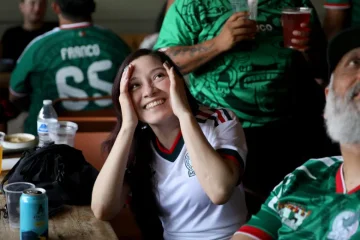
The “Tifos flocked to Pristina bars because Europe's newest state is two victories away from a major tournament. Macedonia, then Georgia or Belarus stand in their path”.
“Fotball is like a religion”, says Arnold Korenica, editor at Telegrafi.com.
“Source of happiness, pride and joy, the only way to relax after a difficult day and after daily political disappointments”.
The team is called the Balkan Brazillin.
That politics has received multiple shocks also shows that, on the eve of that day that victory over Azerbaijan was achieved, Kosovo failed in their last attempt to join Interpol, another blow in the fight for international recognition.
However, this would not stop fans celebrating the fruits of two decades of reconstruction and the achievements of their beloved team managed by Swiss coach Bernard Challandes.
“In the evening, politics cannot prevent the success of our country”, says Kornica, even though politicians quickly rushed to take part in this triumph.
A majority of United Nations member states, 82 percent of the European Union, the International Monetary Fund, and the World Bank recognise Kosovo as an independent state, but Serbia and its allies do not.
In July, legendary player and head of the Kosovo federation Fadil Vokry died of a cardiac arrest at a 57-year-old gym.
The stadium in Pristina has been appointed in its honour and it is remembered as an incomparable visionary.
Like any profession in Kosovo and Albania, football suffered. In Albania from authoritarian communism under the direction of Enver Hoxha, while in Kosovo from the Serbian regime.
Some football players withdrew from sports life to join the Kosovo Liberation Army.
Gerdan Shaqiri, Granit Jaka and Valon Behrami were a generation that were born earlier and could not represent Kosovo, but Arber Zenel of Heenveen, Milot Rasica of Werder Bremen, and the goalkeeper of Manchester City, Aro Muric, are current stars.
In the team he won over Azerbaijan, there were no footballers in the field who had over 30 years, reflecting on the population of 27.8, the youngest in Europe.
Many players lost family members during the war.
“NATO's 1999 intervention is a response to the state's threats committing murder with ethnic motives. Many Kosovo Albanians are called "Tonibleer," in honour of the English prime minister of the time”, concludes The Telegraph's writing. /Telegraphy/
Some Words About the Author of Writing
Daneil Zeqiri is a sports journalist in British prestige The Telegraph.
He is of Albanian descent. His grandfather migrated to England with his Italian wife, who had met in a refugee camp.
They arrived in England in 1958. His family has since lived in England.
His grandfather died before Daniel was born, and he was unable to learn more about him and his homeland, except for what he heard from his descendants.