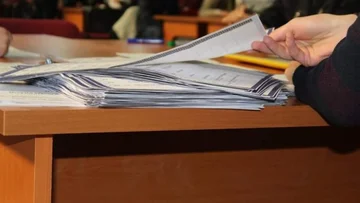
The diaspora vote count is continuing, VV achieves the 53rd term, PDK remains at 22, LDK falls to 18
 5 hours ago
 (8 years ago)
The government commission for recognition and verification of the status of persons violated during the recent conflict in Kosovo [1998-99] has so far accepted over 780 applications by persons claiming to be victims of sexual violence. The status of the victim of sexual violence in war is possible through proper law. Minire Begaj, chairman of this commission [...]
The status of the victim of sexual violence in war is possible through proper law.
Minire Begaj, chairman of this government Commission, tells Radio Free Europe that out of this number, 144 persons are recognised the status of the victim of sexual violence, and most of them have already reached retirement from the state.
Begaj explains that from the total number of applications most are women, until 15 men's applications have been examined, where 6 of them have already gained the status of the victim of sexual violence.
According to her, from applications which have so far been reviewed have rejected 103 cases.
All of these that have been refused status can apply on request for reexamination in the Commission if they have any new evidence. What we refused was disobedience to the evidence they brought. But that doesn't mean that we've finally rejected it because it's the other options for reevaluating”, Begaj says.
This number of applicants is considered small based on data presented by Kosovo institutions, stressing that some 20,000 cases of sexual abuse occurred during the recent war.
Sexual violence during the recent war in Kosovo for years has been taboo in Kosovo society because of prejudices that it is a disgrace to family and society to report them. Such prejudices are emphasized as an additional reason for a number of these victims not to appear at all. While, during this week there was Vasfije Krasniqi-Goodman one of the victims of sexual violence during the Kosovo war, which publicly confessed its history in Kosovo, which occurred 19 years ago.
This confession, by organisations dealing with the rehabilitation of torture victims, is stressed that it could push other victims of sexual violence during the war in Kosovo to apply to win the benefits they deserve.
Feride Rushiti, executive director of the Centre for the rehabilitation of torture victims, tells Radio Free Europe that since Mrs. Krasniqi's public presentation, there have been countless contacts not only from persons who may have experienced violence and their families, but from all over society.
Mrs. Krasniqi's “Coming has been part of the campaign ♫ Be my voice, which is aimed at senbilising general opinion, but above all supporting the survivors of sexual violence to obtain rights now being offered by institutions. Its arrival has been precisely to promote this social debate only to empower victims of sexual violence to realize their rights in relation to compensation now offered to the state and to seek justice, justice that is too late for these victims”, Rushiti points out.
Rushiti also asks the victims' families to help the victims realize their right to the Law.
Meanwhile, Minire Begaj, chairman of the government Commission for recognising and verifying the status of raped persons during the recent war in Kosovo, says they expect the last case to go public in encouraging all those victims to present the case.
After the law has set before a five-year term, I consider that within this term all those who want to benefit and who have experienced sexual violence during the war should address the commission and benefit from their rights. In the years to come, there may be an increase in applicants”, Begaj says.
On the basis of the Law for Victims of Sex Violence in War, those who are recognised status benefit personal profit or payment of 230 euros a month.
By law, the victim of sexual violence in war is the person who has survived sexual abuse and rape during the February 27, 1998, until June 20, 1999.
Personal records in the law are said to be protected by responsible authorities.
 7 hours ago
 8 hours ago