3 days ago
Google and Facebook hide data theft, do we still believe?

Periskopi(8 years ago)
(8 years ago)This March, while Facebook was placed under global surveillance for the flow of personal data of millions of users, Google found a problem in preserving its users' safety data. App developers were able not only to obtain information from users who had been granted permission but also from friends [...]
If that sounds familiar, it is because almost the same forced Facebook billionaire Mark Zucreberg to land before the U.S. Congress. Google did the same thing as Facebook. The company chose not to disclose its users' data leak. The news was delivered by the Wall Street Journal on Monday.
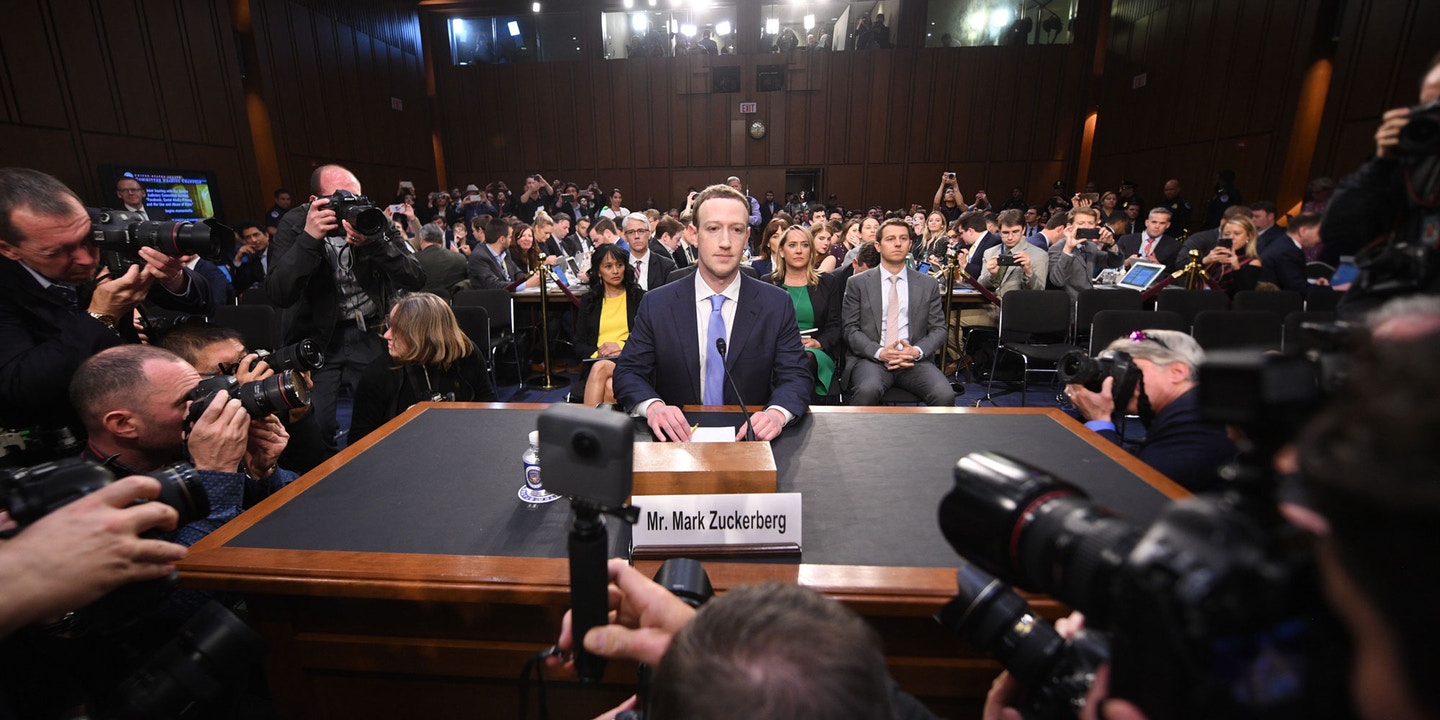
According to a document by senior Google officials, the company's executive director, Sundar Pichai, will have to testify before Congress. This discovery will be followed by immediate arrangements.
Shortly after the Wall Street Journal scandal was published, Google reportedly would improve the privacy protection for third-party apps, in this case the mobile app developers.
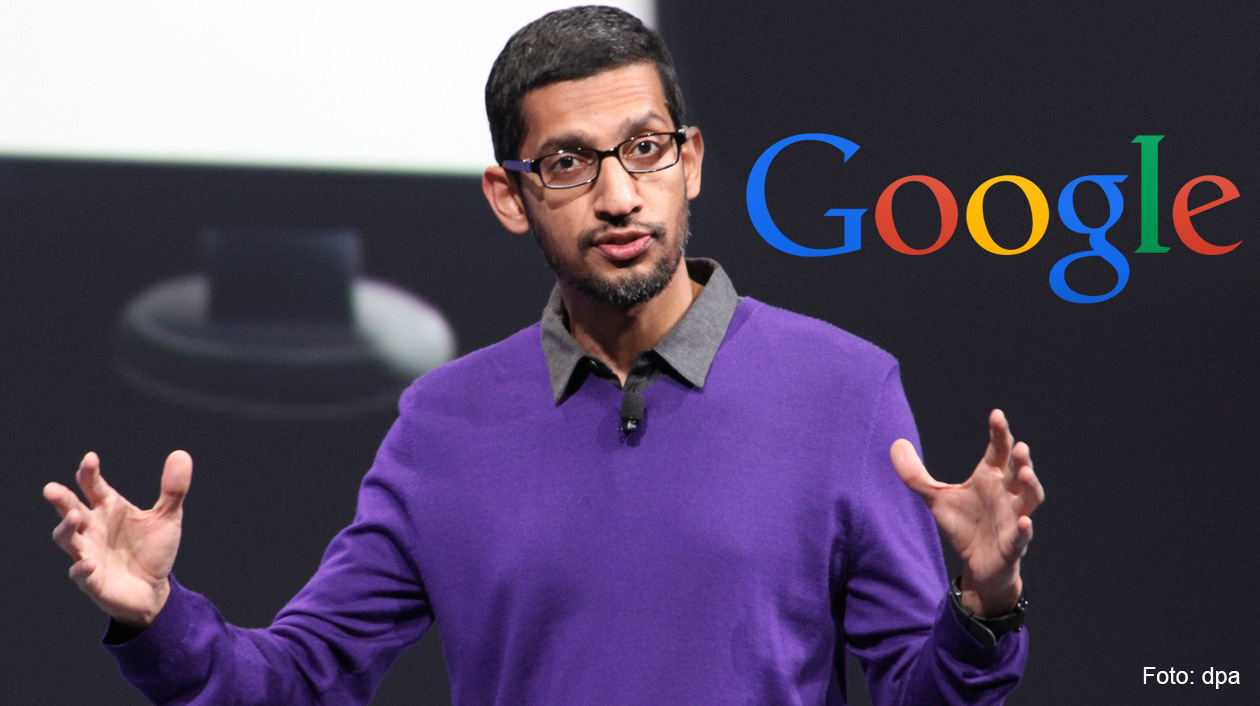
Google detected data leak. 500 thousand accounts may have been touched. As many as 438 different applications of third parties may have accessed private information because of Google's negligence, even though the company seems unable to know which apps have managed to obtain or not information without permission from users.
“We found no evidence that each developers was aware of this problem, and we found no evidence that account information has been misused,” wrote Ben Smith, vice president of engineering on Google.
Smith defended the decision not to detect the leak, writing: Whenever users' data may have been affected, we go beyond our legal requirements and apply certain criteria focused on our users to determine if we're going to give information leak notification”.
None of the conditions for publishing this leak were met, Smith said.
There is no federal law that forces Google to detect data leaks, but there are laws at the state level. In California, where Google has headquarters, companies are only required to discover a data leak if it includes an individual's name and their number of Social Insurance, identity cards, or driver's license number, medical information or health insurance information.
In a similar way with Facebook, Google also announced a series of reforms for its privacy policies designed to give users more control over the amount of data they share with app developers.
Users will now be able to have more control over the different aspects of their Google accounts that give the third parties (e.g. The calendars and Gmails) and Google will further limit the access of third parties to email, SMS, contacts and phone records.
David Carroll is an American professor who indicted Cambridge Analytica earlier this year to find out what information this company had stored around him.
He said that given the legal issues Facebook is facing over keeping the intelligence scandal hidden by Cambridge Analytica is not surprising that Google tried to hide the leak from public eyes.
“Google has the right to worry...” He said.
For others, the flow was further evidence that large technology platforms need more regulatory supervision.
“Platform monopolist internet like Google and Facebook are probably too big to be sure and they're certainly too big to trust “verbically”, Jeff Hauser, from the Centre for Economic and Political Research, said.
He argued the Federal American Trade Commission should “backing these” platforms.
The Guardian/ Lapsy.al