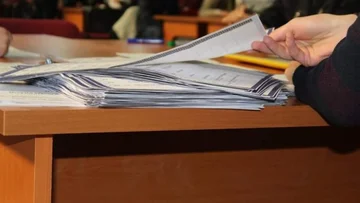
The diaspora vote count is continuing, VV achieves the 53rd term, PDK remains at 22, LDK falls to 18
 7 hours ago
 (8 years ago)
Kosovo will pay the loans to the World Bank by 2031. The amount of payment is about 19m euros a year, linked to inherited debts since the time of the former Yugoslavia. The Kosovo government had voluntarily taken the obligation to pay the debt worth 381m euros, inherited [...]
The Kosovo government had voluntarily taken the obligation to pay the debt worth 381m euros, inherited from the former Yugoslavia's time. There are several projects that were then financed by the World Bank to be implemented on Kosovo territory.
While after declaring independence, around 45m euros are new debts Kosovo has received from the World Bank for financing different projects from 2010 onward, says Muharrem Sahin spokesperson at the Ministry of Finance.
The Republic of Kosovo has joined the World Bank about 16 months after the declaration of the Declaration of Independence in June 2009. Regular credit payments have also begun since the day of admission to this financial institution.
The debt issue and how this problem should be resolved is discussed in negotiations between Pristina and Belgrade in the process led by Martti Ahtisaari in Vienna, Austria.
Until August of this year, the amount paid to the World Bank is 234m euros on behalf of inherited debt. Regular tranche payments started in 2009, and so far, 110.52m euros have been paid on behalf of the affair, while 72.23m euros have been paid on behalf of interest”, Sahin said.
The annual tranche is 19m euros, much that comes down. Pays for this loan are expected to end in 2031”, he said.
Funds from the World Bank, the Government of Kosovo has borrowed them for realisation of water security projects and agricultural and rural development projects.
The World Bank has consistently supported various projects in Kosovo. The only project that has not achieved the support of this institution is the beginning of construction of New Kosovo's <x0 plant, although the entire project has been implemented with World Bank recommendations.
Experts on economic issues stress that the Government of Kosovo has been cautious in returning credit installments to the most important international financial institution, the World Bank.
Berim Ramosaj, professor at Pristina University, tells Radio Free Europe that the loan tranche is affordable to the Kosovo budget. Taking into account the overall amount of international debt, Ramosaj says the Kosovo government must prepare other concrete projects to borrow from the World Bank.
Taking debts from international institutions is possible and I believe it does not harm financial capacity or liquidity, whether at the level of budget or gross domestic product in Kosovo. That's why I see it possible. Only a truly stable list of projects that have an effect not only on economic growth but also on the employment and well-being of Kosovo citizens”, Ramosaj said.
Otherwise, the public debt of the Republic of Kosovo, year after year, is marking growth. According to official data in late 2017, the total debt has reached 996m euros, or 17 percent more than in 2106.
 10 hours ago

 11 hours ago