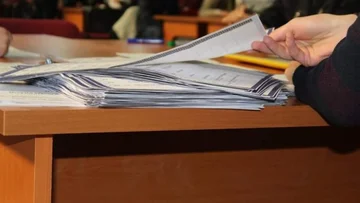
The diaspora vote count is continuing, VV achieves the 53rd term, PDK remains at 22, LDK falls to 18
 4 hours ago
 (8 years ago)
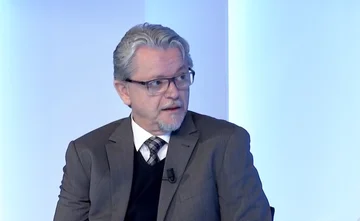
The judicial system and the executive system have been identified as the biggest human rights violators in Kosovo, in a research conducted by the Ombudsman's Institute. The ombudsman, Hilmi Jashari, has made this known during a lecture with AAB College students, developed on the subject “Rol and [...]
The judicial system and the executive system have been identified as the biggest human rights violators in Kosovo, in a research conducted by the Ombudsman's Institute.
The ombudsman Hilmi Jashari has made this known during a lecture with AAB College students, developed on the “Role theme and the importance of the ombudsman institution in protecting and advancing human rights”.
“Judicial System and the executive system have been identified almost equally as responsible parties and considered human rights offenders. If we talk about individual rights, I had to say after they dominated rights from economic and social fields, which are economic and social rights, along with civil or political rights, or environmental rights or privacy protection, or protection of data. But they rule exclusively on issues related to economic and social rights, starting with pensions, rights of persons with disabilities, housing rights, property issues. But mainly they are economic and social character”, he said.
Ombudsman Hilmi Jashar told students that the institution has the right to access any files they need to identify whether there are human rights violations.
We have the right to approach every institution or file kept by institutions at all times and without any warning, that means we can have unlimited access to the investigation into claims of human rights violations, regardless of what the institution is. In other words, we have the right to prisons, detention centres, and wherever people are kept deprived of freedom, to intervene without any warning to prove and to see if human rights are being respected”, Jashar said.
Jashar added that the final task of the Ombudsman's institution is to report the Parliament to announce even MPs what the state of human rights is so that they can then make decisions to repair or restore violated rights.
“We had the opportunity for the first time in 2015, I as a lawyer of the people to present the report to the Parliament, but in that presentation was the first moment when we requested that the Ombudsman's report not be a document voted on the basis of the Parliament's internal approval, and there was a process that usually takes 5 minutes, submitted the report and raised the Parliament's deputies, the report was voted and then remained a document on the shelves of this institution. The idea is to alert the people's representatives so they can be aware of all the problems the lawyer has identified, so that they can then force Government to make decisions”, he stressed.
The ombudsman has told the students about the establishment of this institution in Kosovo and the world, where he announced that in Kosovo since 2005, the ombudsman institution is governed by locals.
 6 hours ago
 8 hours ago