3 hours ago
The details and symbols hidden in England's coat, including why there are three lions
Periskopi(8 hours ago)
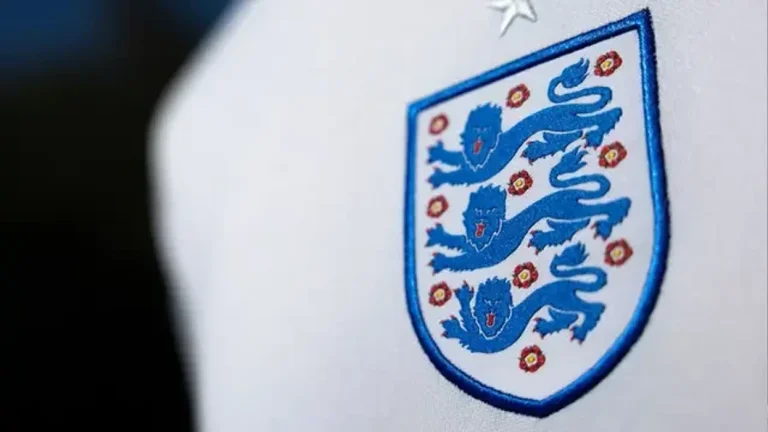
(8 hours ago)“Three lions in the fan, Yules Rimet still shines at” are well-known verses that are heard whenever enthusiasm grows about England's goals in major tournaments. But the symbol of the “Three Lions” has a deeper history than is commonly thought of.
On the eve of the 2026 World Cup, where England, run by Thomas Tuchel, will face Croatia in a strong game in the group, details of “freqrema” of the English National logo have been discovered.
According to reports, each of the three lions has a special historical meaning associated with the English monarchy.
The first lion relates to King Henry I, known as “England's Lion”, who ruled from 1100 to 1135 and was the first to add the lion's symbol to England's Royal Istanbul.
The second lion is also associated with Henry I, who added another lion to honour his father-in-law, Alfred I, Count of Louvain, after his marriage to Adelas of Louvain in 1121.
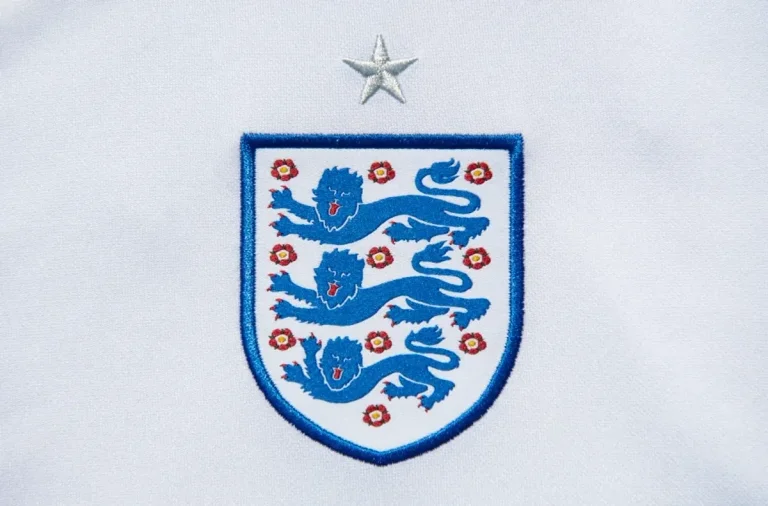
The third lion was added some 30 years later by Henry II, grandson of Henry I, who did this to honor his wife's family, Eleanor of Aquitane, in 1154.
The royal scene has no longer changed to the addition of lions since that historic period, despite the fact that the lion's figure has often been used in royal symbols over the centuries.
Later, after World War II, the 10 Tudor roses were added to the emblems. These roses represent the Tudor House and the War of Roses (1455)1487), and were placed in 1948 when the 10 divisions of FA members were joined.
Today, three lions and ten roses are used together in England's fantel, a symbol that will host 26 players at the 2026 World Cup. /Telegraph/