4 minutes ago
Climate phenomenon El Niño, WHO publishes new plan against extreme heat
Periskopi(10 days ago)
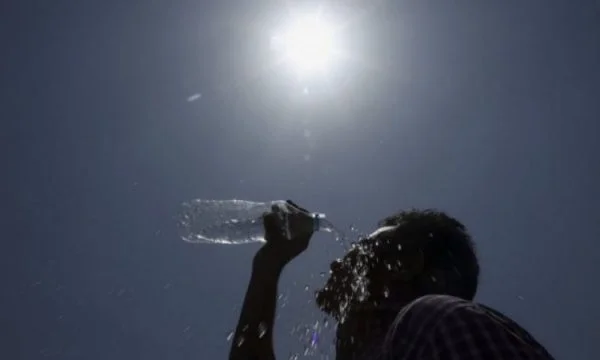
(10 days ago)The World Health Organization has published a new action plan to prevent deaths related to extreme temperatures the same day the American agency NOAA officially announced the start of climate phenomena. El Niño in the tropical Pacific.
According to WHO, over the past four years in Europe over 200,000 people have lost their lives because of causes associated with heat waves. The organisation estimates that most of these deaths could have been avoided if more effective measures for protecting public health had been implemented.
The month of May 2026 provided disturbing signals about record temperatures that Europe may experience during the summer. That's why, O The BSH has introduced the second edition of the Health Action Plans in the Vpa case (HHAP), with a view to improving readiness to heat waves.
Who is the most at stake?
Extreme temperatures can exacerbate cardiovascular, respiratory, cerbrovascular diseases and mental health disorders. The most endangered are elderly, infants, children, and pregnant women, but even chronically ill people, limited abilities, open - air workers, athletes, participants in mass activities, migrants, refugees, and homeless persons, or inadequate living conditions.
O BSH emphasises that individual measures, such as frequent water consumption and avoiding being out during the hottest hours, are important but insufficient in the face of climate change.
The organisation requires improving infrastructure, starting with schools and workplaces, creating fresh neighborhood spaces and measures to reduce the effect of subx0 urban heat species”.
Also recommended is strengthening communication between public health institutions, meteorological services and citizens through early warnings, information applications and preparation of social and health services for coping with future heat waves.