3 minutes ago
IPK report uncovers shortcomings in handling narcotics trafficking cases
Periskopi(2 months ago)
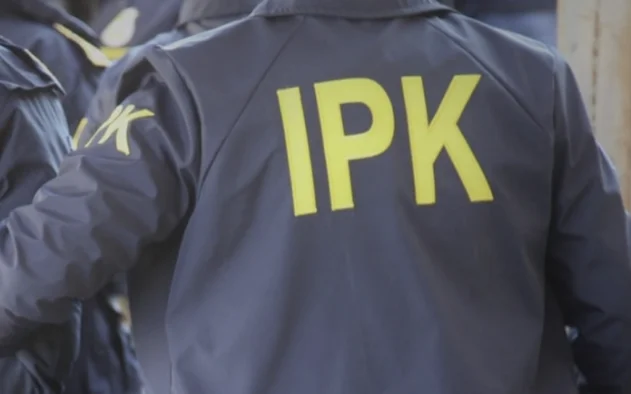
(2 months ago)Kosovo Police Inspectorate (IPK), in an inspection report on the assessment of the treatment and prosecution of narcotics trafficking cases at the Narcotics Investigation Unit in Pristina, has recorded a range of shortcomings and procedures in the way these cases were handled by Kosovo Police, Periscope reports.
By Report, in some cases there is no prioritization reports on the State Prosecutor, though they are legal obligations under the Penal Procedure Code. Also, investigators in some files have not compiled investigative plans required on standard operating procedures and serve as the basis for organising investigative action.
File control has also highlighted a lack of important documents, including evidence lists, requests for examination and relevant reports. In some cases the results of field tests are also lacking, while the report stresses that sufficient action has not always been taken for full implementation of secret investigation and surveillance measures.
The IPK has also recorded cases when retroactive orders for conducted checks have not been introduced, as well as cases of total disrespect of the hierarchy chain during prosecution of criminal charges. According to the report, these shortcomings indicate the need for strengthening internal control and more rigorous implementation of existing procedures.
Another issue raised in the report relates to information security. According to the findings, only about 50 percent of the staff have security certificates, while the rest remain under way. The IPK considers this to be a sensitive point, given the nature of the investigations this entity deals with.
However, the report also shows some positive aspects of the unit's functioning. In the organisational and human resources aspect, it is said that the entity functions according to organisational structure and has a satisfactory level of staff. Also, it has been positively assessed that investigators have attended numerous specialised training, which is considered to affect the establishment of professional capacities.
As for treatment of evidence, the report presents a better mirror. According to the IPK, the number of articles matches the registers and chain of storage, while evidence is safely preserved and in line with standards, reports Periscope.
The report also says that the duration of the investigation and prosecution of cases in the State Prosecutor is generally considered reasonable. Similarly, lowering the number of cases handled by previous years has been noted, according to the report, showing greater efficiency in their treatment.
However, The IPK has also calculated the lack of return information regarding the treatment of intelligent reports, considering this another weakness in the process.
Based on these findings, the Kosovo Police Inspectorate has provided some recommendations for improving the entity's work. These include establishing stronger internal control mechanisms so that investigators do not have access to classified information without security certificate.
Also recommended, more regular reporting to the State Prosecutor is recommended through announcement reports, the mandatory misuse of investigative plans for each case, as well as the fuller implementation of secret investigation measures and monitoring in line with legal provisions. /Periscope