2 minutes ago
EU warning: oil and gas prices will not be lowered, even if the Iran war ends
Periskopi(3 months ago)
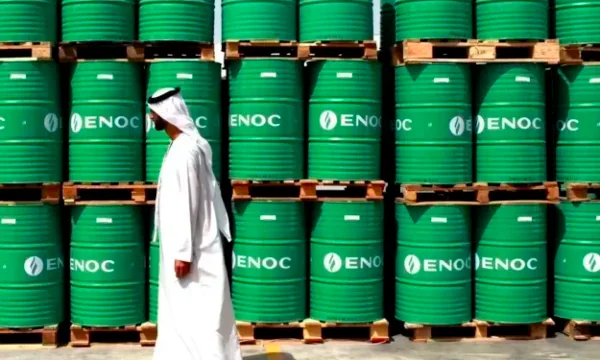
(3 months ago)The EU has warned that oil and gas prices will not be lowered soon, even if the fight with Iran ends, citing pressure on fuel supplies and close global markets as it prepares support measures for families and businesses. The staggering prices of oil and gas in Europe as a result of ongoing war [...]
The staggering prices of oil and gas in Europe, as a result of the ongoing struggle involving Iran, will not return to normal levels soon, even if peace is announced tomorrow, the European Union's energy commissioner warned on Tuesday.
Commissioner Dan Jörgensen said that although there are no immediate shortages of oil and gas supplies across the 27-member bloc, there is pressure on oil and fuel supplies for aircraft, as well as increased “limiting” on global gas markets, which are increasing electricity prices.
“What I consider extremely important is to state as clearly as possible that even if that peace is here tomorrow, we will still not return to normality in the foreseeable future”, Jergensen said at a press conference after a meeting of EU energy ministers.
He said the EU executive arm is preparing a series of measures to help families and businesses cope with the significant increase in oil prices, which has led to growth of about 70% for gas and 60% for oil in Europe. Since the beginning of the war, the EU bill for imported fossil fuels has increased by 14 billion euros, according to Jörgensen.
He added that closely co-ordinated action among all EU member states is necessary for “smangurated national responses and divisive signals for the” markets.
The “Quteau of the readying measures will reveal “very soon” and will include ways to make it easier for states to cut gas prices off electricity prices. A decrease in electricity taxes is also under consideration, as suggested by Commission President Ursula von der Leyeen.
Jørgensen said that, although he does not expect a repeat of the 2022 natural gas crisis, during which companies gained huge profits from price hikes, a “tack on unanticipated revenues” on such companies “remains an option”.
There are currently good “options for member states to provide financial support to vulnerable groups and industries under the extraordinary “>” and the Commission will make “these are even simpler and broader”, he said.
Jergensen also encouraged EU countries to consider the 10-point plan of the International Energy Agency, which includes work from home, lowering speed on highways, promoting public transportation and increasing joint use of vehicles.
He said the EU remains committed to stopping Russian gas purchases, aimed at reducing dependence on Russian supplies and interrupting financing for Russia's war in Ukraine. Russian gas dependence has dropped from 45% before the war to 10% now, and is expected to drop to zero once imports from alternative suppliers increase, especially from the United States. The EU is also exploring new energy sources from Azerbaijan, Algeria and Canada, as well as smaller producers worldwide.
The commissioner warned that the EU should never “repeat past mistakes allowing Putin to use energy as weapons against us and blackmail member states”. He added that “would be totally unacceptable” for the EU to continue buying energy that “would indirectly help finance the terrible war Putin is waging in Ukraine”. /Euronews. com