3 hours ago
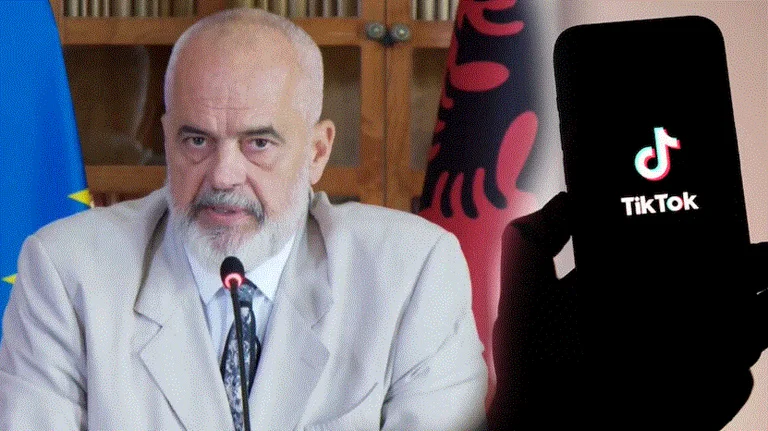
Rama: TickTok lock brought measures for child protection, filters set
Periskopi(4 months ago)
(4 months ago)An unnecessary decision has been named by Albania's Prime Minister Edi Rama, the Constitutional Court's recent decision regarding the TikTok interim deadlock issue. In the podcastin Wehem, Rama stressed that the move taken by the government was aimed at protecting children and young people on the internet and achieved the goal. According to Rama, [...]
According to Rama, the moment the court handed down the verdict, the issue was resolved in practice, as after the blockade of the platform the government had entered into a constructive dialogue with the company, which led to the deployment of several new measures for Albanian audiences, including algorithmic filters, age verification and measures against the language of violence.
Thanks to that algorithmic or age verification block, we have a series of measures related to the language of violence, with the Albanian language itself being completely on TikTok radar by that time and we actually have a constructive co-operation with the platform, so the temporary ban brought just all these results. A multibillion-dollar company came to the table with a small state, which in all its worth is below the company's worth and is not the only state”, Rama said.
But despite that, the court concluded that the government had not proved that blocking the platform was the only effective tool to address the problem. According to Rama, criticism of institutions helps improve their quality.
The court's decisions, of course, are to be implemented, but I don't think court decisions are in all cases not to be commented on because I say it's good for the Albanian prosecutor's and judges' bodies to deal with the opinion of always constructive criticism to improve and their work, as their treatment as “does not affect me even after the process has been completed, does not help improve the quality of justice”, the prime minister stressed.
He also stressed that Albania's Constitution provides for special protection for children and that the state has the obligation to intervene when digital platforms can create risks for their health and development, A2 writes.