6 hours ago
Trump is curious why Iran hasn't “finished”
Periskopi(5 months ago)
(5 months ago)US President Donald Trump is curious why Iran still has not “capitalised” and has not agreed to curb its nuclear programme, while Washington builds its military capacity in the Middle East, Trump special envoy Steve Whitkoff has said. “I don't want to use the word "depressed," because he understands [...]
I don't want to use the word "frustrated," because he realizes there are many alternatives, but he's curious why they didn't... I don't want to use the word "capitalised," but why they haven't chaptered”, Witkoff was quoted as saying during an interview Saturday with the <x2 show. >My View with Lara Trump” of Fox News, sent to Telegrafi.
Why, under this pressure, with the amount of marine power there, why didn't they come to us and say, We state we don't want guns, so here's what we're prepared to do? And yet it's kind of hard to get them to that point”.
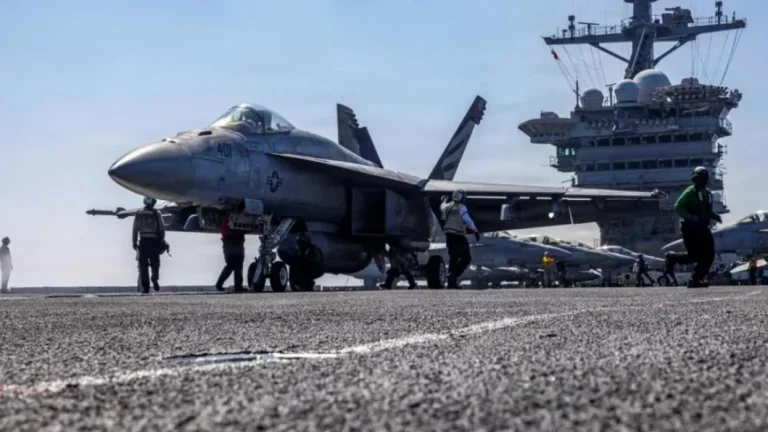
Trump has ordered a large collection of forces in the Middle East and preparations for a possible several-week air strike on Iran.
Iran has threatened to hit US bases if attacked.
We remember that the United States wants Iran to give up rich uranium, which Washington says could potentially be used to make a bomb, as well as stop the militants' support in the Middle East and accept restrictions on its missile programme.
Tehran says his nuclear programme is peaceful, but is willing to accept certain restrictions on it in exchange for lifting financial sanctions.
He refuses to link this to other issues such as rockets and support for armed groups.
They've enriched a lot beyond the number you need for civilian nuclear weapons. It's up to 60% (ex1>, Witkoff said. “They're probably a week away from having industrial material, industrial degrees for bomb production, and that's really dangerous”.
A senior Iranian official told Reuters Sunday that Iran and the United States still have different views on easing sanctions in talks, reports Telegraph, broadcast Periscope.
Witkoff also indicated that he met with the order of Trump with Iranian opposition figure Reza Pahlavi, the son of chess that was dropped in the Islamic Revolution of Iran in 1979. He gave no further details of the meeting.
Pahlav, who lives in exile, served as a support figure for some of Iran's opposition during the antigovernmental demonstrations last month in which thousands of people have been killed -- the worst internal riots since the Revolution era.
Earlier in February, Pahlav said US military intervention in Iran could save lives and urged Washington not to spend much time negotiating with Tehran's clergy rulers for a nuclear agreement. /Periscope