3 hours ago
3 euro fee at QKUK, Kodra: Lawless, children must have their parent around
Periskopi(5 months ago)
(5 months ago)Following the Health Ministry's decision to place daily payment for family members/convenients of patients at QKUU and general hospitals, Kosovo's “Live” show on T7 has reacted to the Kodra Association for Patients' Rights in Kosovo (PRAK). Kodra has expressed concern that this measure places additional burdens on families, stressing [...]
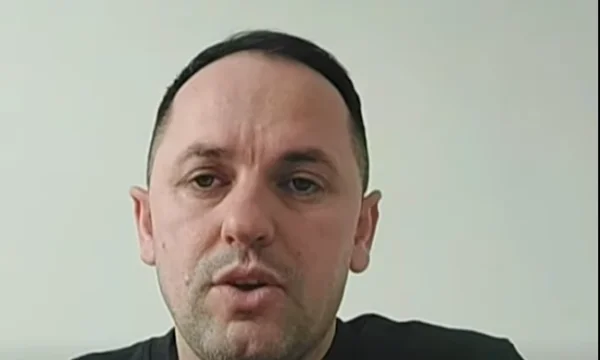
Following the Health Ministry's decision to place daily payment for family members/convenients of patients at QKUU and general hospitals, Kosovo's “Live” show on T7 has reacted to the Kodra Association for Patients' Rights in Kosovo (PRAK).
Kodra has expressed concern that this measure places additional burdens on households, stressing that supporters are not ordinary visitors but often essential parts of patient care.
According to him, in many cases it is family members who come out to buy and provide drugs outside the CKUK. In time, he feels that the same helps with daily nutrition, hygiene, and care especially for children, older ones, and chronic patients.
Kodra pointed out that such a practice can be considered illegal, especially when it comes to children.
According to him, each child has the right to have a parent or a caregiver next to him during treatment, while even a 15-year-old minor, in normal conditions, cannot be considered capable of caring for himself in the hospital.
Everyone should know that we have children, and they can't separate from the family in such situations. A child is unable or willing to take care of himself at the hospital”, he said.
He added that staying close to patients is not a matter of desire but of necessity.
No one goes there for wishes. Family members are there to accompany and help the patient because in many cases the institution itself fails to provide all the necessary care. In fact, often the obligations that the hospital must fulfill are passed on to citizens, and they are even taxed for this”, Kodra said.
Kodra has added that and shortages within hospitals should not be solved through family tax, but through increased staff capacity and improved support services.