The doctor for the 27-year-old knife attack in Prizren: We couldn't save him. He had chest injuries.
 2 minutes ago
 (2 years ago)
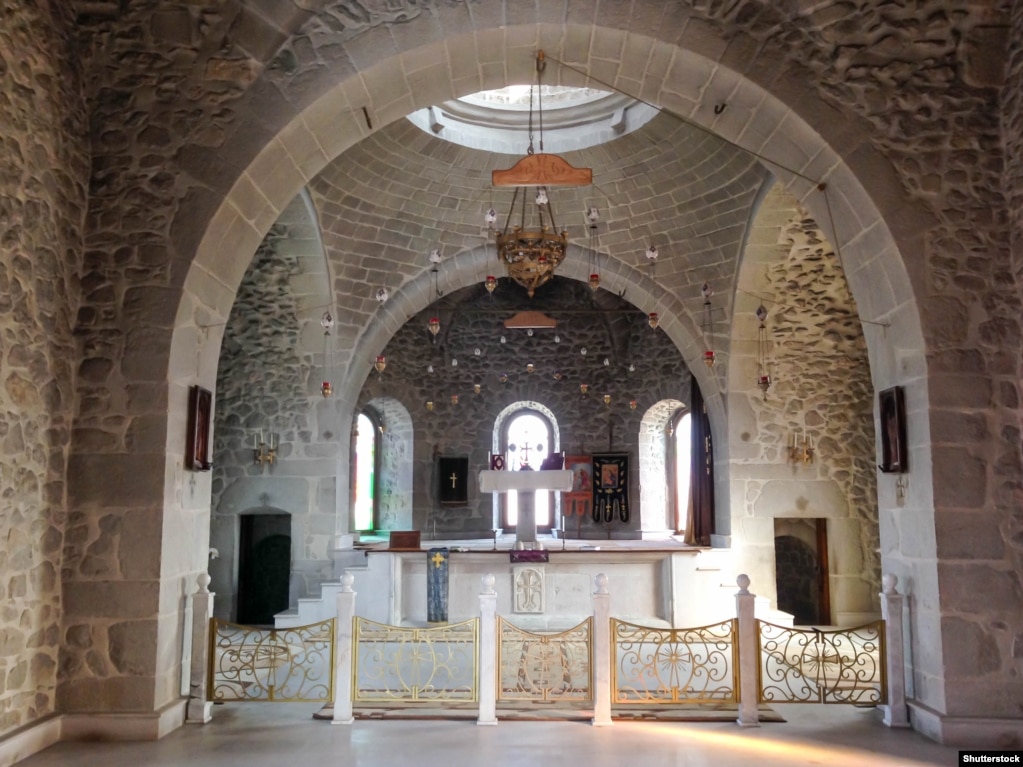
The picture of a mass within the Baptist Church St. John in Nagorno-Karabakh was posted on X, the platform formerly known as Twitter by Azerbaijann Parliament MP Jala Ahmadova in July 2021 to demonstrate what she considered the “matosphere of ethnic and religious tolerance”, after Azerbaijan had restored control in Susa, [...]
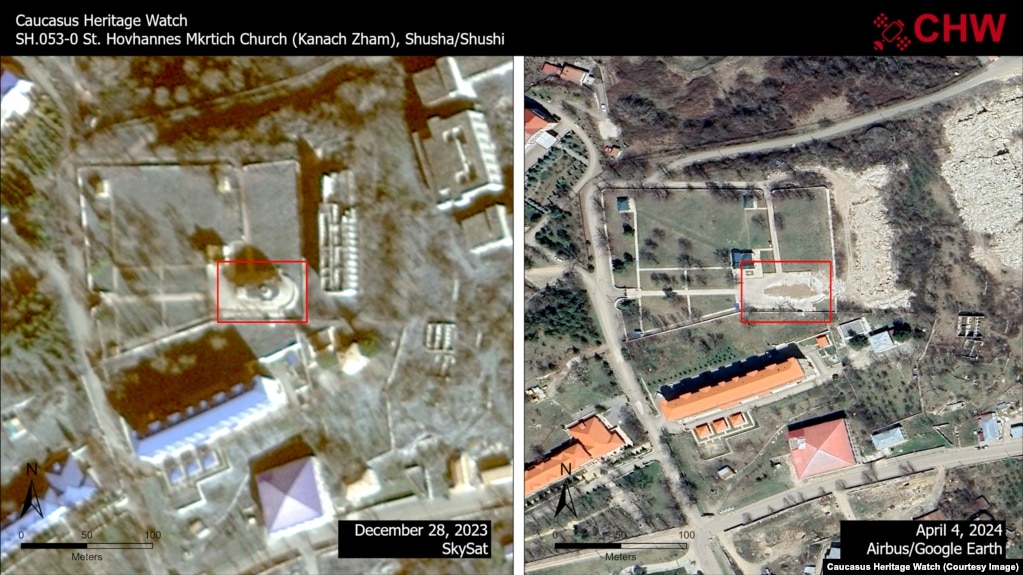
Today, that church, built by Armenians in the 19th century, no longer exists.
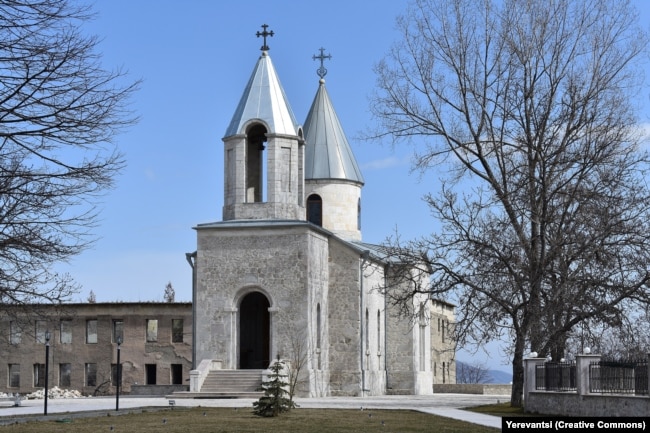
Recently released images by the Caucasus Heritage Watch monitoring group give signals that the church in Susa/ Shushi was destroyed in the winter of 2023/24.
Baku has restored Susa's control. Shush in November 2020, after a war began to take on His hands The territory that is internationally known as Azerbaijann land.
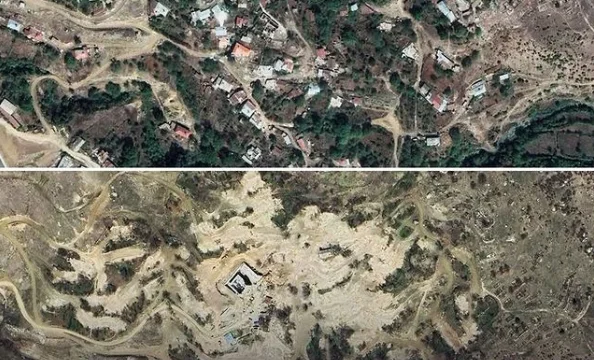
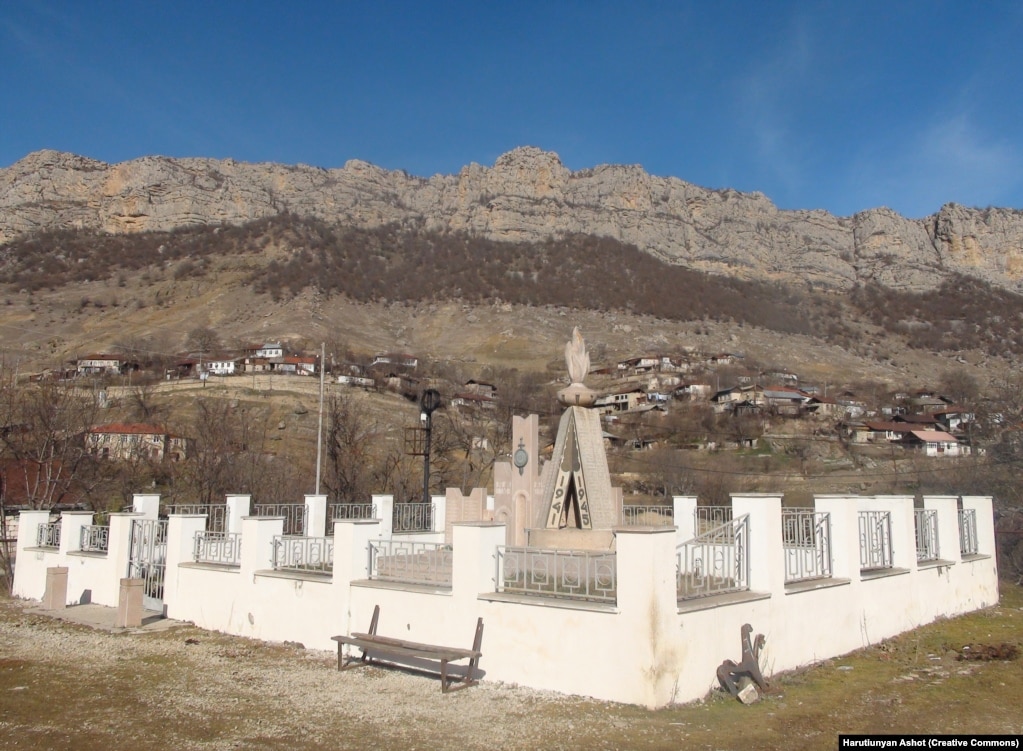
Two miles south of the missing church, satellite images published in April, show that an entire village seems to have been ground to the ground. Now there is the area that Armenians call Carintak and Azerbaijanis Dasalti a large mosque is being built.
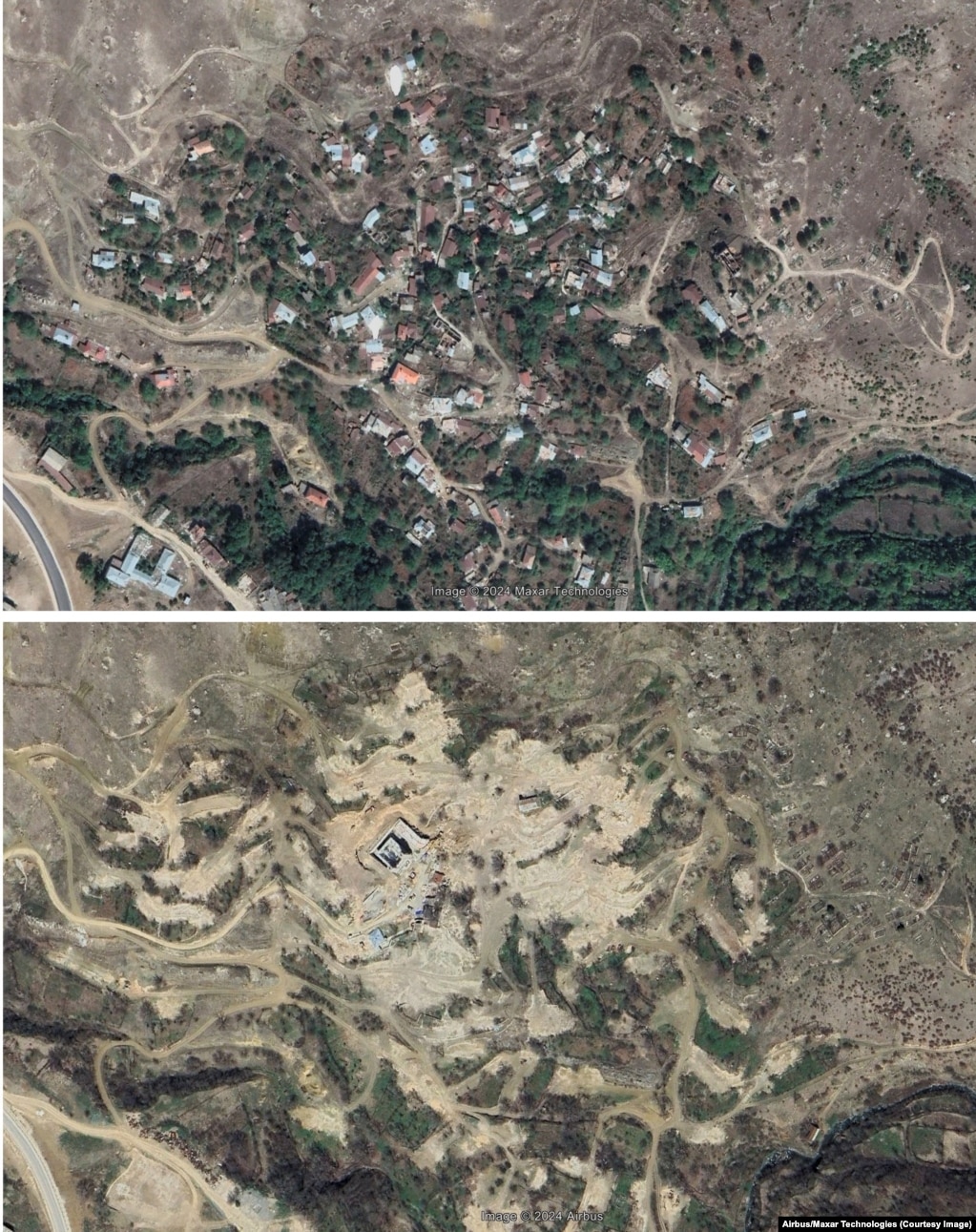
Husik Ghulyan, a research researcher at Caucasus Heritage Watch, who published satellite images from Dasalt/Karitak, has told Radio Free Europe that thinks the “intentionation of Azerbaijan in this case has been the complete destruction of settlements, to build a new village for persons displaced by Azerbaijan, or other <x1).
The researcher has said that the village church, viewed on the right side of the mosque “is a protected legacy object, even from the laws of Azerbaijan”, so, according to him, “this is why it has remained intact”.
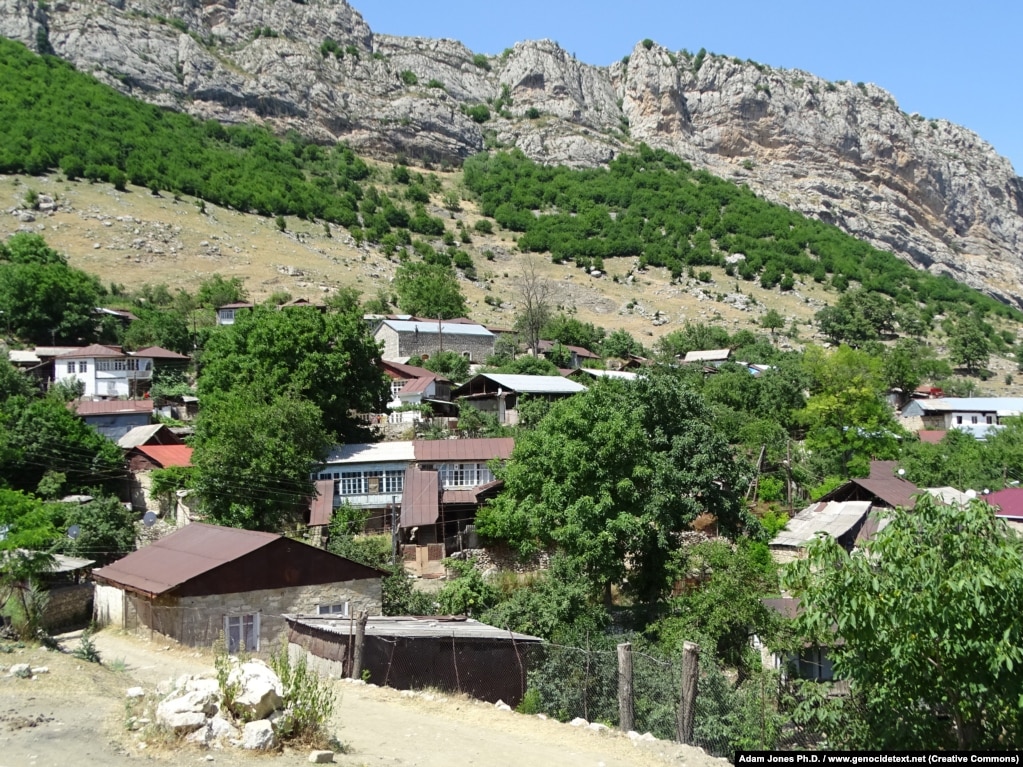
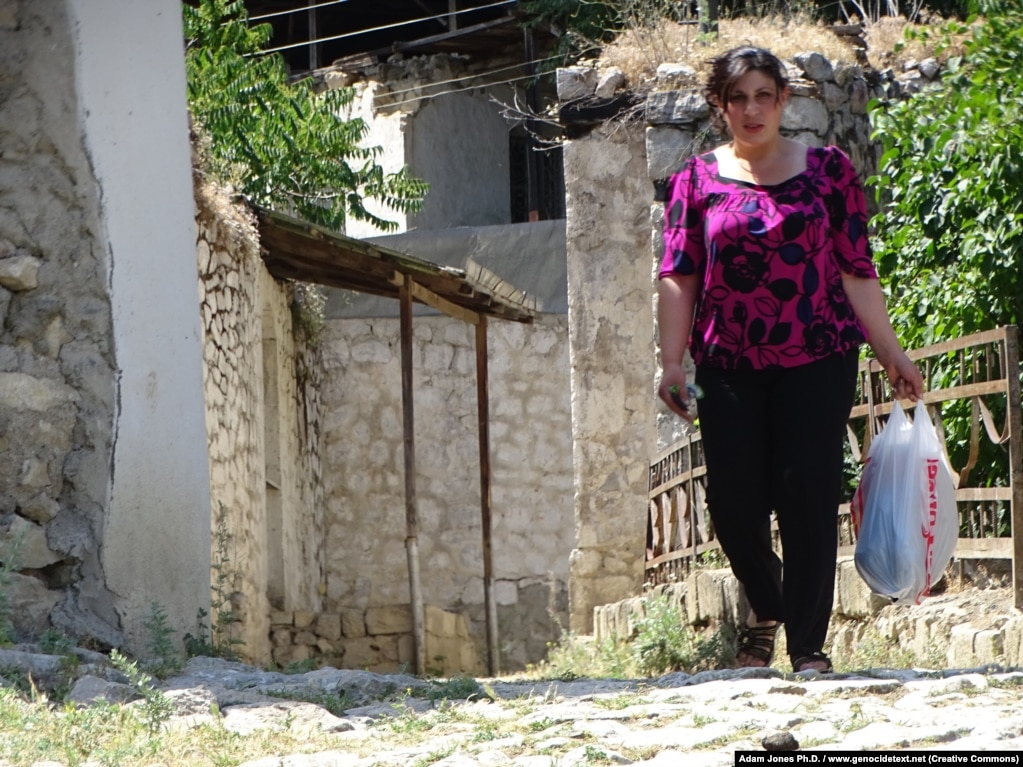
Dasalti/Karintak, meaning “below stones” in both languages, is named after the large rocks found in the area. This village has been known for many natural resources and has a history of agriculture.
A tourist who visited the village in the 1890s has described it as a settlement where the <x0 soil is fertile, but the harvest is scarce, so it produces a little”.
The observer organisation has said local residents have <x0 plant wheat, elb, mel and other cultural”.
While under the Soviet regime, there was a silk - producing factory and another for the production of electric parts in the area.
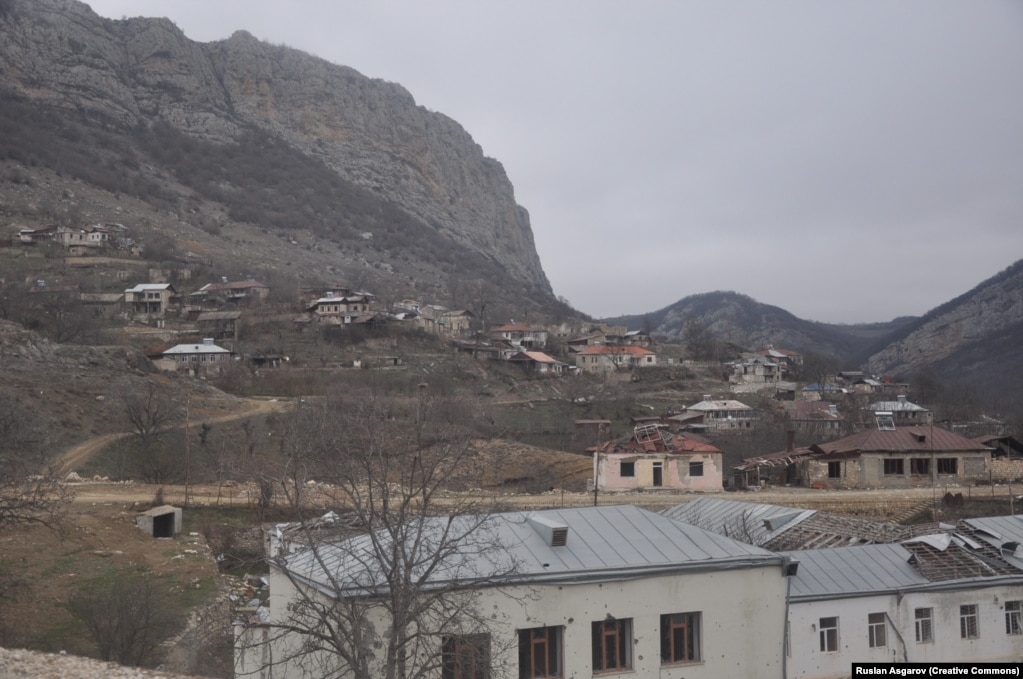
During the second war in Nagorno-Karabakh, in 2020, this village has returned to the battlefield before the start of combat for Susan/Sushi. The December 2021 images show signs of bullets in the buildings of this settlement, which now resemble a ghost settlement, following the military advance of Azerbaijan and the evacuation of the ethnic Armenian population.
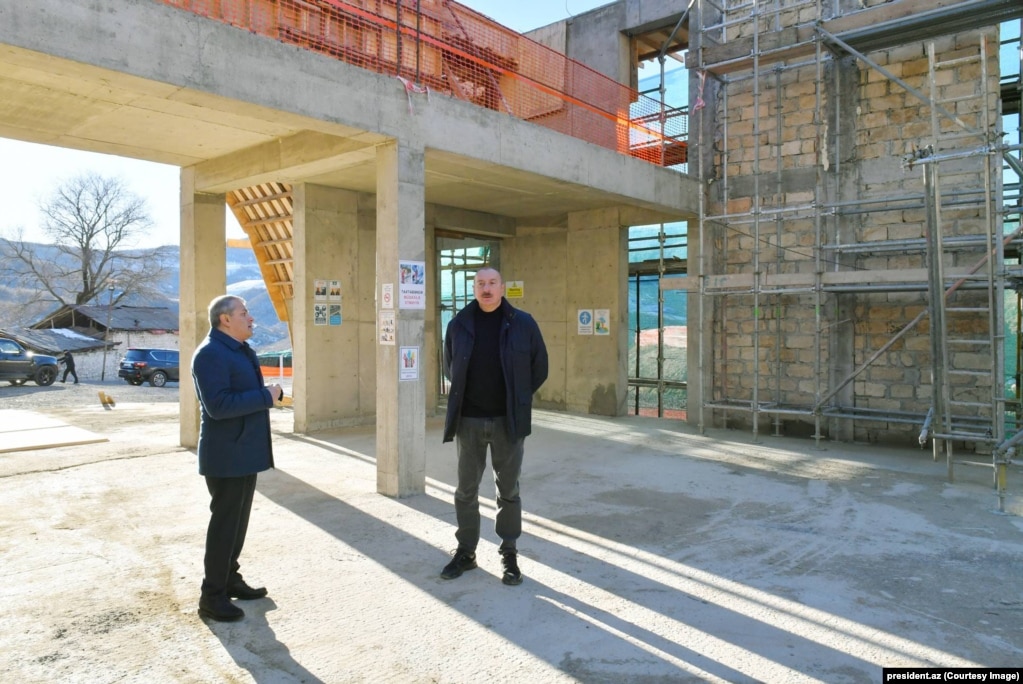
The latest images of the Dasalti/Karintak settlement were made when Azerbaijani President Ilham Aliyev visited the area to see the progress being made in building the new mosque. Images published by Aliyev's office in July 2023 show that houses in this settlement have been intact at the time, but Aliyev's pictures in December last year do not show the area, and have been made in a short corner, not to show the destruction around it.
Ali Mozaffari, an Iranian academic of origin from Azerbaijan, who works as a senior researcher at Australia's Deakin University, has said the latest attempt to eliminate the traces of Armenian heritage in Nagorno-Karabakh, is an issue that could expand beyond the conflict between Baku and Azerbaijan.
The “is a powerful effort, top with Turkey, to create the idea of a Turkish-connected World, and to expand in the eastern part, to the Chinese limit”, Mozaffari said of Radio Free Europe.
The legacy is very important to justify geostrategic vision”, he said.
According to academics, both Azerbaijan and Armenia have committed Cultural Destruction well documented, but Baku has done so more widely and more systematically.
Lori Khatchadourian, professor at Cornell University and co-founder of the Caucasus Heritage Watch organisation, has said the observer group has so far identified the destruction of 10 inheritance centers within the territory restored from Azerbaijan in 2020, and is currently launching a new survey of hundreds of heritage locations.
It also cites the example of the complete destruction of Armenian heritage in the Azerbaijann enclave of Nachcivan, as an example of what might happen quickly in Nagorno-Karabakh.
The destruction of the Armenian culture environment in that region has occurred over a decade, in early 1997, and has continued until at least 2009 on a scale, and then in 2011”.
The researcher said that in the case of Nagorno-Karabakh, “this sad story could be repeated in the future”.
On April 23rd, Radio Free Europe has asked for Azerbaijan's presidential administration's comment on this material, but has not received an answer until its publication. /REL
10 minutes ago15 minutes ago
 3 hours ago