8 minutes ago
Lajcak in an effort to intensify the situation in the north, what did he talk to Osman of Kurti?
Periskopi(3 years ago)
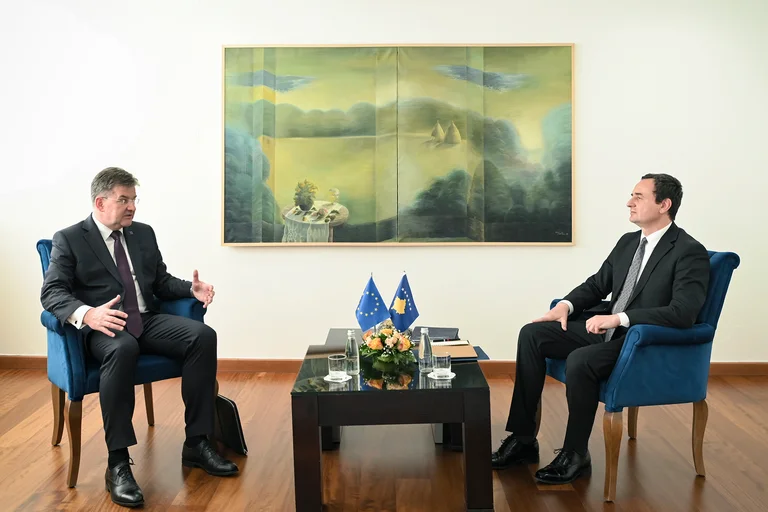
(3 years ago)The European Union's special envoy for Kosovo-Serbia dialogue, Miroslav Lajcak, has stayed in Kosovo on Tuesday, in an effort to reduce tensions in the country's north. Lajcak, after meeting with Kosovo Prime Minister Albin Kurti, has said there is consensus to advance EU requirements, but that “we must continue [...]
Lajcak, after meeting with Kosovo Prime Minister Albin Kurti, has said there is consensus to advance EU requirements, but that “we must continue discussions on concrete steps”.
He added that with Prime Minister Kurti they have presented their views and ideas and that “have agreed that the process will continue”.
Lajcak has declined to comment on the punitive measures the European Union has imposed on Kosovo, but indicated that the EU has the sanctions ready for Serbia as well.
“The EU has made it clear that it has sanctions ready for Serbia, and that they will be implemented if member states decide Serbia disobeys the EU. This is the decision of member states. I'll be in Belgrade tomorrow. My wish is not to have sanctions for Kosovo and Serbia, but to have both sides meeting in Brussels and to negotiate how to implement the February agreement [the Ohrid Agreement]”, Lajcak said.
On the other hand, the Government of Kosovo through a media report revealed that Prime Minister Kurti during this meeting has underlined that the EU's punitive measures towards Kosovo are unfair and make the asymmetric dialogue.
The report says the prime minister “has expressed his commitment and commitment to de-exception and normalisation”, as well as that it has stressed that the Government of Kosovo “does not contribute as much to the transition and that Kosovo police only enforce the law and care for public security”.
In Pristina, Lajcak has also met with Kosovo President Vjosa Osmani.
Through a media communiqué, the presidency has announced that during the meeting between Osman and Lajcak was discussed overcoming the current “political and security challenges”.
Kosovo's <x0 think-tanks are dedicated to having, together with international partners, overcome current challenges and that Kosovo has demonstrated the will for despass, offering to organise new elections in the country's north, in line with the legal framework of Kosovo.”, Osmani was quoted as saying.
Communication says the President also stressed that the <x0 criminal groups and individuals who used violence against police, journalists, KFOR members, EULEX and citizens must face justice” and that Kosovo remains “” steadfast in its goal of peace and stability in the country and the region”.
Lajcak will then go to Serbia, to try to convince the parties that, in addition to reducing the situation, they will also return to the table of dialogue.
“is an integral part of the special envoy's work to travel to meet partners on the ground”, EU spokesman Peter Stano said the previous day, commenting on Lajcak's visit. He added that this visit to Kosovo is part of the work for “moving dialogue before”.
The EU has repeatedly called on Kosovo and Serbia to take steps to immediately reduce tensions and return to dialogue on normalisation of reports, mediating Burksel.
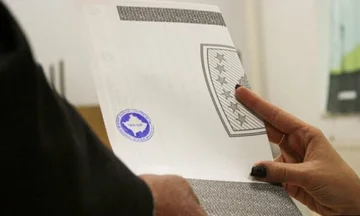
The European bloc has submitted several requests to Kosovo concerning the situation in the north. Brussels is calling for the withdrawal of Kosovo Police Special Units from the vicinity of municipal buildings in the north, in parallel with the withdrawal of Serb protesters. Similarly, the European bloc is calling for the withdrawal of new mayors from municipal buildings, the announcement of elections in the north, and the public pledge of Serbs to participate in the vote.
Due to the failure to meet these requirements, the EU has begun to implement some punitive measures against Kosovo.
Since tensions increased in the north in late May, there have been no meetings within the dialogue between Kosovo and Serbia.
Kosovo Prime Minister Albin Kurti, and Serbia's president, Aleksandar Vuciq, have held several “crisis meetings with European officials, but have not held bilateral meetings. Meetings with dialogue mediators, however, have ended without concrete results.
Tensions in northern Kosovo, inhabited by Serb majority, began when the new Albanian mayors of Zvecan, Zubin Potok and Leposaviqi, entered municipal buildings under the hand of Kosovo Police.
Serbs rejected this and have been holding protests ever since, demanding the withdrawal of new leaders and special police units. / REL