9 minutes ago
The story of the first million-American woman
Periskopi(3 years ago)
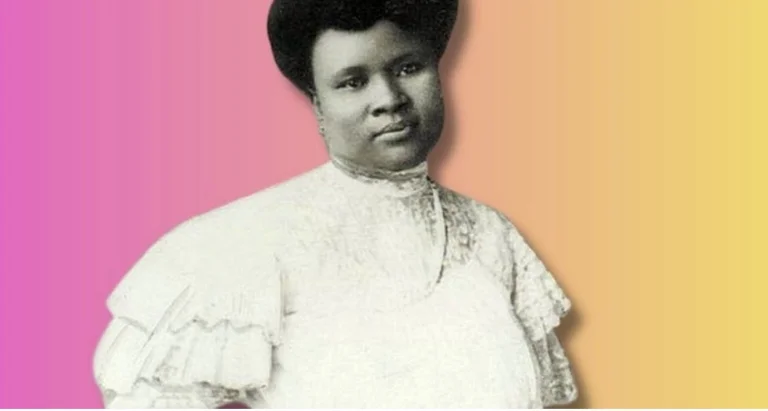
(3 years ago)When she died in 1919, a newspaper described her as the world's richest “wife, industrialist and first philanthropy of her race”. Maggie Lena (Mitchell) Walker (1864-1934) was born in Richmond, Virginia, in 1864. Her mother was a former slave who worked in the laundry. As a child, she was [...]
Maggie Lena (Mitchell) Walker (1864-1934) was born in Richmond, Virginia, in 1864. Her mother was a former slave who worked in the laundry. As a child, she was inclined for the community and joined the St. Luke Society, a local group that raised funds to pay for the burial of needy people.
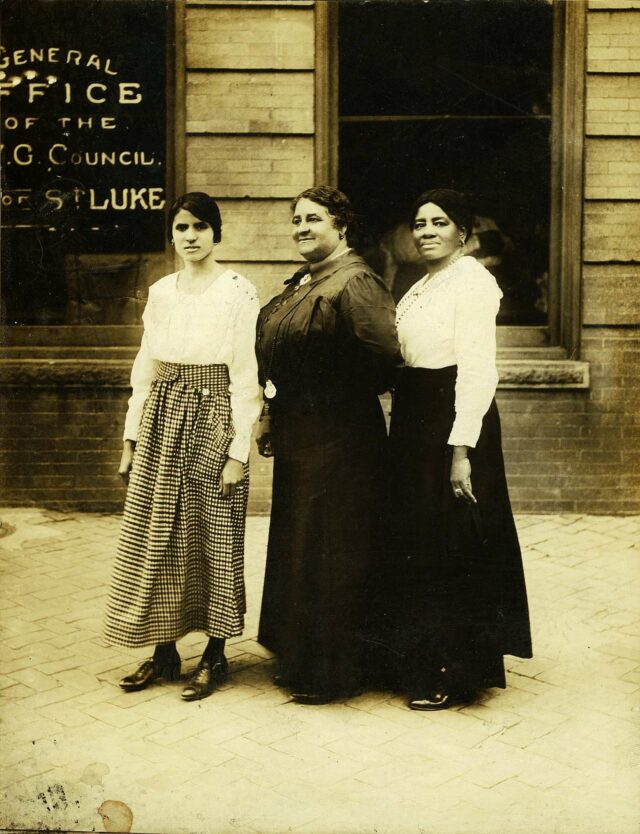

Like most people back then, she too had no bath in her home. She rarely washed, even less. That's how his hair started to fall off. In 1906 she decided to produce the products she needed, starting Madame CJ Walker Manufacturing Co. She sold a therapeutic line, which included pomades and special oils for head massage.
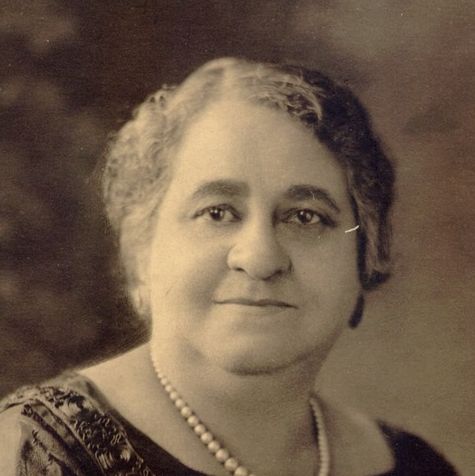
In 1916 she had more than ten thousand employees and was at the head of a network of schools in which women were trained to enter the hair business, one of the few ways a colored woman could earn a living if she did not want to be a pet.
Maggie gained interest when, in 1903, she founded St. Luke Penny's savings in Richmond. She served as the bank's first president, making her the first African-American woman to own a bank in the United States. Most of the bank's clients were adults, but Maggie also encouraged children to open bank accounts to save money. She even distributed savings to local children under the bank's name to promote savings, writes abcnews.al.
When the bank joined two other Richmond banks, Maggie served as chairman of the board. The bank was a powerful representation of the South-rayed venture. By 2009, the Consolidated Bank was the oldest continuously African-American bank in the United States.
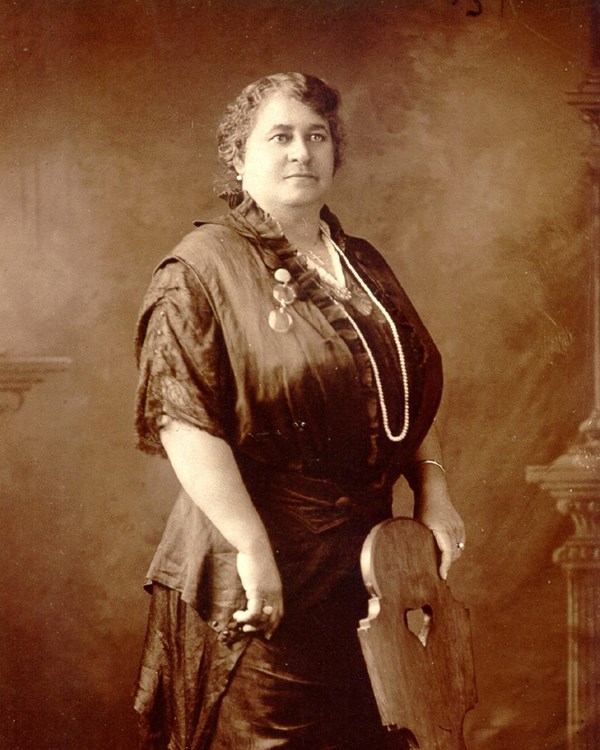
Although most of its name recognition is due to its bank, Maggie Walker did much more for her community. It led a boycott against separate cars in the streets of the city. As an entrepreneur, she opened a shop, St. Lucés Emporium, who offered residents an alternative to white-owned businesses that refused to let colored customers try their clothes. It also helped establish the Richmond chapter of NAACP fought for minority rights, women's rights and the rights of persons with disabilities.
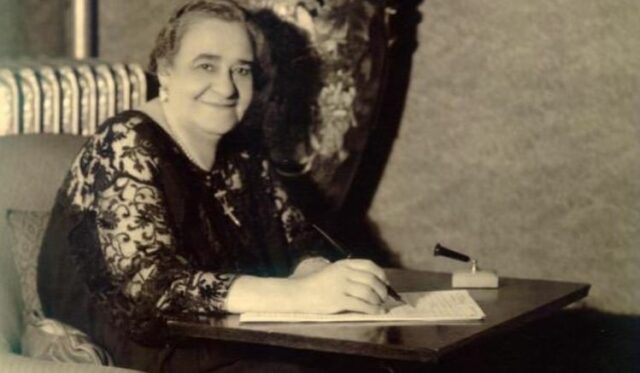
Walker received an honorary master's degree from Virginia Union University in 1925 and entered the United States Business Hall of Junior Acievement in 2001. A statue of Walker was discovered in 2017 in her Richmond neighbourhood in the square on Broadway and Adams.
You can also see the story of her life in Netflix, Selfmade.l.k/abcnews. al