8 minutes ago
Caritas: Serbia loses medium city every year
Periskopi(3 years ago)
(3 years ago)At the invitation of the humanitarian organisation Renovabis, Jelena Mijovic, director of the Centre for the Returns at Caritas Serbia in Belgrade, spoke in Würzburg about negative aspects of migration for employment motives as part of the “campaign. Always. Somewhere. Migrating for employment motives from Eastern Europe” reports the Würzburg Diocese portal. “Every year [...]
At the invitation of the humanitarian organisation Renovabis, Jelena Mijovic, director of the Centre for the Returns at Caritas Serbia in Belgrade, spoke in Würzburg about negative aspects of migration for employment motives as part of the “campaign. Always. Somewhere. Migrating for employment motives from Eastern Europe” reports the Würzburg Diocese portal.
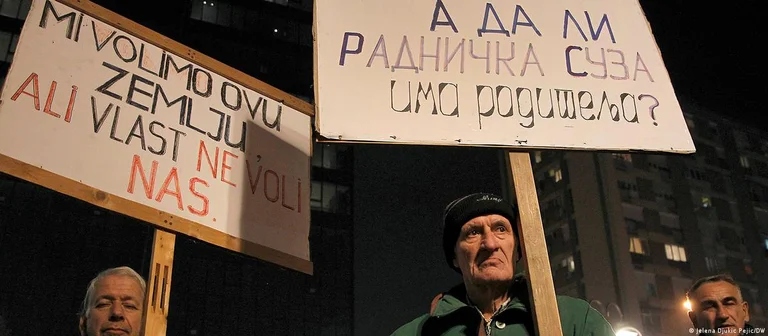
“Every year Serbia loses a medium city”, thus describing the situation drastically Misoovic. In the past ten years alone, about 350,000 people have emigrated from Serbia. “According to one survey, 80 percent of young people want to emigrate. ”
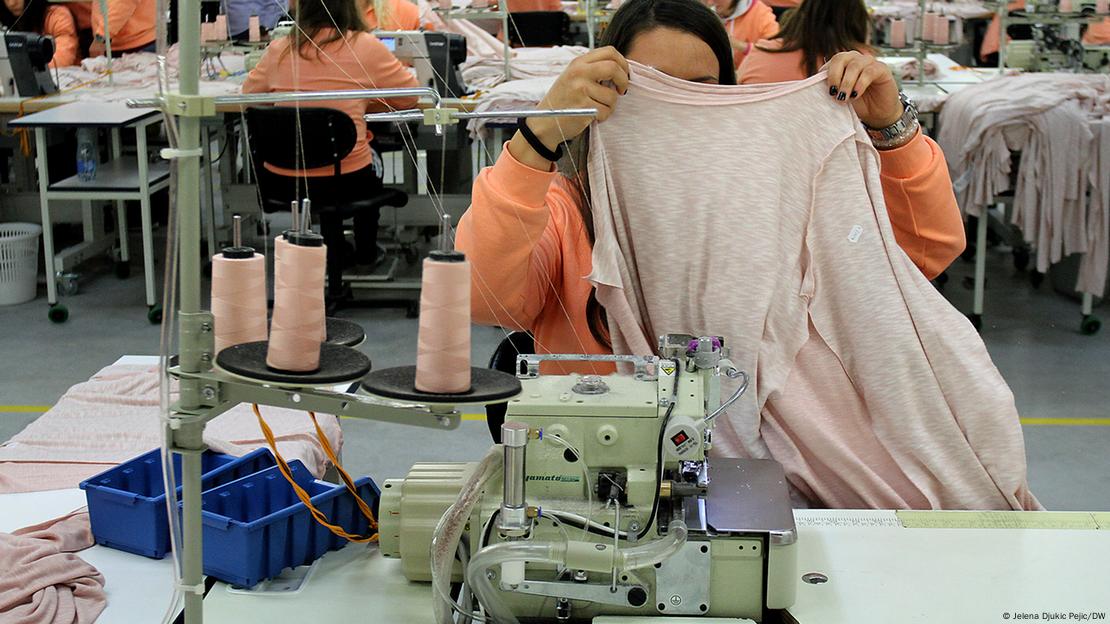
Specialists such as doctors and nurses, as well as engineers and IT specialists, are looking for a better future abroad. Even now, there is a shortage of doctors and craftsmen in Serbia.
Women find it harder
The situation is especially problematic for women, who often work abroad as caregivers or in the service sector, says Komisovic and adds: “They work three months and then deport”. Financial and even sexual abuse is common.
While in their homeland they are considered bad mothers, children are called “Eurojetime”.
Migrating for employment motives is especially evident in rural areas, says Aleksandar Siter from Weltkirche's office in the Würzburg Diocese. Especially in rural areas, there are no more relatives to care for the elderly, and there are no professional stewards.
Roma from Kosovo go via Germany to Serbia
But migration from Eastern Europe creates another problem. Some 85 percent of returnees from Germany belong to the Roma ethnic group, Mitrovic says. They tend to enter Germany from Kosovo and eventually end up in Serbia. “They do not see their future in Kosovo”, she says.
Since its establishment in 2017, the Caritas advisory centre in Belgrade has cared for more than 1,400 Roma families. According to Jelena Mijovic, most live in illegal settlements. Two thirds have no school qualifications, about 90 percent have no professional training whatsoever.
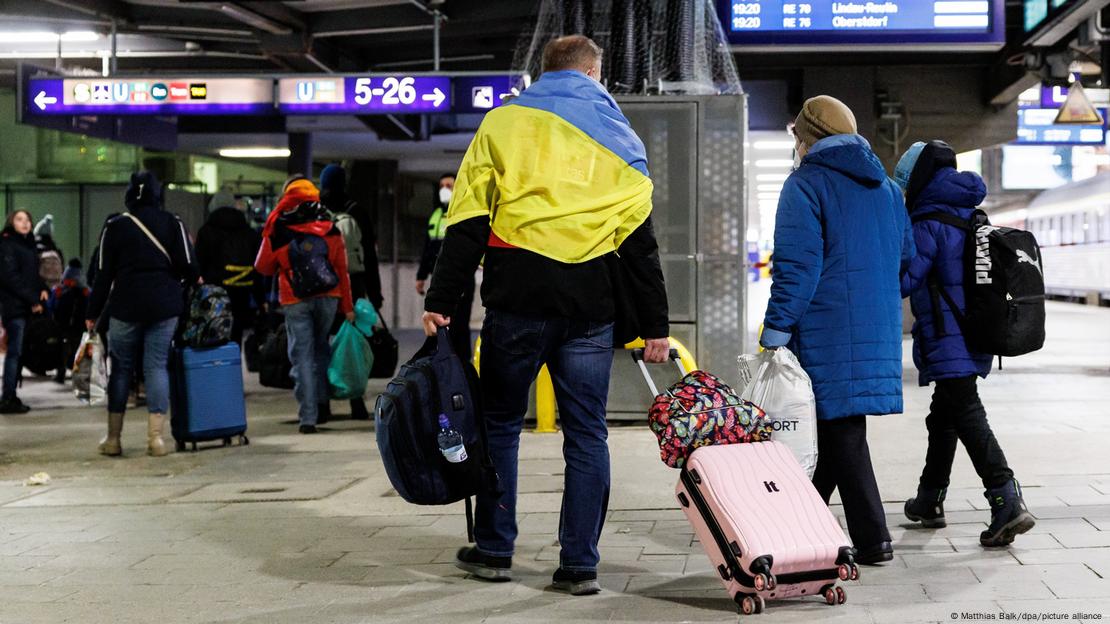
That is because by the time those families were trying without success to get asylum in Germany, the children were absent from school for years. “Many were old for professional training when they left Kosovo. But I see no way but education to get them out of slums. ”
„Your work” and centers for professional preparation
To that end, with the support of Renovabis, your “Punja” project was launched, which supports young people to find a job or to employ themselves. Komisovic talks about the online store of a Serbian woman from Banja Luka (Bosnia and Herzegovina) helping companies elect employees. “We supported training and requalification, setting up tyre workers and beauty salons,” says Mesoovic.
At the same time, in Macedonia, for example, the “educational centre” was formed, two of which are sponsored by “Renovabis”. These Roma families are offered meetings and private courses, with the aim of creating a better perspective...
Caritas with his projects wants to create a prospect of staying in Serbia. “
“People come to Germany because we need them. But we have to offer you work under human conditions,” explains Siter. “Apel of Munich” Renovabis can help migrate for employment patterns to be right.
Among other things, it requires fair compensation for countries of origin due to the loss of the workforce, equal wages with local employees, as well as the expansion of the advice offer for the arrivals, is also written at the Würzburg Diocess portal. / DW