12 minutes ago
Ombudsman: Advanced access to sexual and reproductive health
Periskopi(3 years ago)
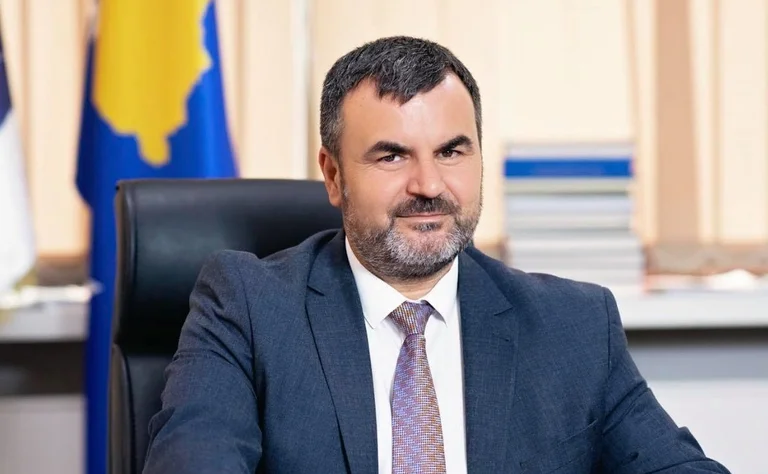
(3 years ago)Ombudsman Naim Qeyaj has stated that in Kosovo, there continues to be inadequate access to sexual and reproductive health. He has stressed that there is still prejudice until you deny the issue. This subject was discussed in presenting the report on sexual health rights to [...]
Ombudsman Naim Qeyaj has stated that in Kosovo, there continues to be inadequate access to sexual and reproductive health. He has stressed that there is still prejudice until you deny the issue.
The subject was discussed in presenting the report on sexual rights to sexual health, which has also issued some recommendations for which he has called on institutions to observe.
The report is the result of a deepening investigation into sexual and reproductive rights.
Research, among other things, has focused access to abortion, care after abortion, and mother's health care.
The report's “findings have shown that the situation is disturbing in some sectors in neglecting reproductive and sexual health, especially in terms of access, awareness, service delivery, treatment without discrimination but also of level or preparation, or professionalisation of service delivery that is missing in certain cases. Therefore, this reflects negligence, lack in some cases of institutional will to be invested in this sector, considering the importance this calls to the ombudsman that, in this direction, authorities are more cautious”, ombudsman Naim Celaj has said.
It has asked institutions to implement their obligations and responsibilities under the law in order to provide access that guarantees dignity, non-discrimination and professionalism in services in reproductive and sexual health.
And what we've seen in our society is that there's continued to be a pragmatic and inadequate approach to sexual and reproductive health, which was seen in all recent debates that took place in both the Parliament of Kosovo, even in the context of public communication platforms, was noted that even further there is prejudice, and that issue is considered taboo, and there are concepts of prejudice until denial is debated on this issue that I consider a situation that should be dealt with necessarily with by the overall commitment of<1x>
On the other hand, Deputy Health Minister Dafina Geja-Bunjaku has said they will draft the action plan for implementing recommendations by the ombudsman.
In order to address recommendations by the ombudsman institution, the Health Ministry has established the working group for drafting the action plan for the implementation of recommendations and, in turn, being addressed and implemented by the recommendations that come out of the ombudsman institution. The Health Ministry has filed regular reports on the request of the ombudsman institution, so we welcome this report and now we have begun addressing and implementing recommendations from this investigation”, she has said.
Visare Mujku-Niman has assured that UNFPA will continue its support to ensure that all receive quality services.
“We, UNFPA, will continue to offer our support to ensure that no woman, daughter, son or husband is left without receiving quality services when needed, that no mother lose her life because of pregnancy, and no youth be tried if it requires family planning services”, she explained.
During the report's presentation, the people's deputy minister, Majlinda Sinani-Lulaj, has announced that the research was done on the basis of evidence received directly from women and girls who are receiving health services as well as from providers of these services.
This is in order to understand citizens' experience of quality services in the field of sexual and reproductive health.
“Health System is legally defined as a unique system with three levels of health care that is regulated, monitored, and controlled by the Ministry of Health. The reality, however, shows that adjustment, supervision, and flow of control, functioning abnormalities, and lack of coordination are also in planning. It's not that easy to say so directly, but we're all but representatives of institutions, organizations, we're also citizens of this country, most of us believe we seek services in these institutions, and we all know practically the difficulties that exist in the system, we see them being touched and imagine beyond us women and girls may not be aware of when they go and run or don't know where to address sensitive issues like sexual health and reproductive”, it has ended.