10 minutes ago
Elections in the north are not seen as long-term political solution, internationals demand establishment of association
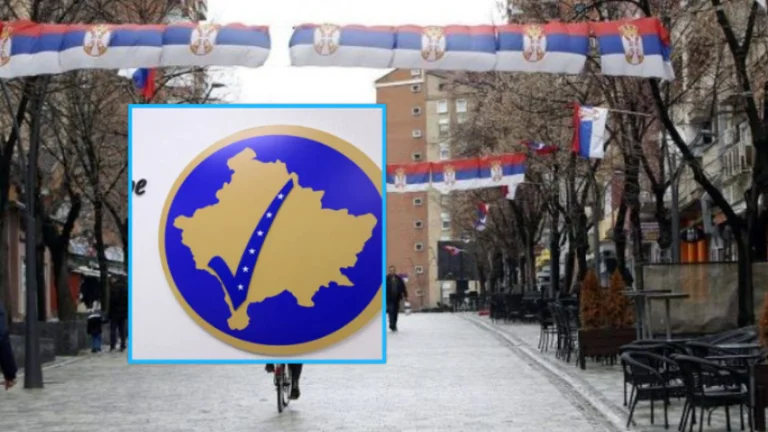
Periskopi(3 years ago)
(3 years ago)The EU does not view as a long-term political solution the last elections that were held in northern Kosovo. Official Pristina is required to finalise association as soon as possible. For the European Union, elections held Sunday in northern Kosovo (23.04), do not offer long-term political solutions for the four municipalities [...]
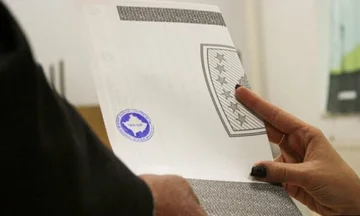
For the European Union, elections held Sunday in northern Kosovo (23.04), do not provide long-term political solutions for the four northern Kosovo municipalities. Political solution according to the EU “can only be achieved through the Serb permanent return to Kosovo institutions”. In the extraordinary elections for mayor of northern municipalities, northern Mitrovica, Zvecan, Leposaviq and Zubin Potok, only slightly more than 3% of the approximately 45 thousand voters participated. The elections were massively boycotted by local Serbs.
EU seeks serious dialogue between Kosovo government, Serbs in the north
The European Union expects Kosovo institutions to enable the return of Serbs removed from the institutions and finalise the establishment of association as soon as possible. These elections do not provide long-term political solutions for these municipalities. This can happen only through the permanent return of Kosovo Serbs to institutions and Kosovo will enable this return. Work to establish the Serbian Majority Commission Association should be finalised as soon as possible. It is imperative that we urgently restore a situation where Kosovo Serbs actively participate in local governance, police and judiciary in northern Kosovo. There is an urgent need for a serious dialogue between the Government of Kosovo and the Kosovo Serbs in the north. So far little progress has been made. Therefore, we need both sides to play their role and meet their commitments”, said an EU communiqué.
According to the EU, the agreement between Kosovo and Serbia on normalisation of relations is the proper platform, because low citizens' turnout in the north showed that this process cannot be considered ordinary. “The EU acknowledges that elections have been held in line with Kosovo's legal framework and that efforts have been made to make them develop in a calm and orderly manner. At the same time, the EU regrets that not all parties and communities used their democratic right to participate and vote in the elections. The very low turnout, especially among Kosovo Serb citizens, shows that this process is not considered and cannot be considered as usually”, says the EU response.
Pristina accuses Belgrade of boycott
Official Pristina authorities already blamed Belgrade for the pressure on northern Serbs not to participate in the elections. Kosovo President Vjosa Osmani said Serbia's commitment to preventing elections is against the Ohrid Agreement. “As such, this approach of Serbia should be rejected by the entire democratic world, since it also presents acts of illegal intervention from abroad -- an act that is condemned by a series of international legal acts”, President Osmania said. Even Kosovo Prime Minister Albin Kurti said that the “elections in the north were imposed by Belgrade's threatening” campaign. “Bojkot was imposed by Belgrade's threatening campaign and his criminal instruments on the ground in the north. I thank citizens for the courage and tranquillity”, Kurti wrote on Facebook.
Vuciq: Kurti regime failure elections
On the other hand, Serbia's President Aleksandar Vuciq said that “during the extraordinary local elections held on 23 April in the four municipalities in northern Kosovo, “tectonic changes” have occurred. Serbia's “People showed that it requires a completely different approach, primarily from the international community, and I am referring to Western powers”, Vuciq said. According to him, elections in the north represent the “failure of the Kurti regime”.
“Under one, [April 23rd elections] are Kurt and QUINT's election debal. Under two, this is a historic result, because it never happened on European soil. Under three, this showed the great unity of the Serbian people, the discipline and responsibility of Serbs, which was not seen in the modern history of our nation”, Vuciq said, adding that, as he said, the 23 April” selections were referenda for Serbs living in the north, to show who do not want in the north of Kosovo”.
In the elections for the new mayors of northern Mitrovica, Leposaviqi, Zvecan and Zubin Potok, only an independent candidate did not attend. The elections were boycotted by the Republika Srpska List, which is the main Serb party in Kosovo. The election appearance was slightly more than 3 per cent, and two municipalities were won by Vetevendosje Movement candidates and the leadership of two others received the Democratic Party of Kosovo candidates.
Vuciq-kurti meeting 2 May
The elections in northern Kosovo were held at the time of an increased commitment by the international community to reach a Kosovo-Serbia agreement to normalise relations. Already with 02.05, the next meeting between Serbia's President Aleksandar Vuciq and Kosovo Prime Minister Albin Kurti has been confirmed. The European Union's charge for Kosovo-Serbia dialogue, Miroslav Lajcak, has indicated that at the May 2nd meeting, part of the agenda will also be the first draft draft of the Serbian Major Commission Association.
“With the next summit of high-level dialogue to be held on May 2nd, this is a time of intensive preparation. As the first summit after Ohrid, it will be an important meeting for implementation of its Agreement and Anex”, Lajcak wrote on Facebook. He expects both sides to go to Brussels well prepared and fully dedicated in the implementation phase. “Agenda will include the official adoption of the Declaration on Missing Persons, presentation of the draft Asociation/United Serb municipalities in Kosovo by the management team and current questions”, Lajcak wrote. On March 18th in Ohrid, northern Macedonia, Kosovo and Serbia have agreed on the annex to implement the European Union plan, otherwise known as the Franco-German plan.