The doctor for the 27-year-old knife attack in Prizren: We couldn't save him. He had chest injuries.
 a few seconds ago
 (2 years ago)
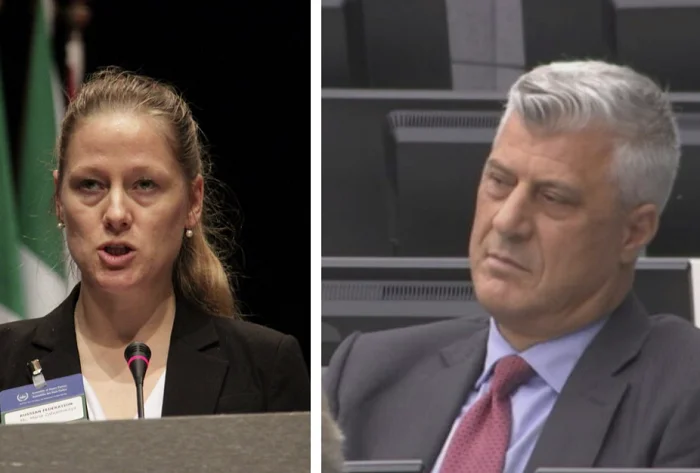
Maria Zabolotskaya, Russia's representative to the Security Council of the United Nations Organisation (OKB), during address at the conference on the activities of the remaining international mechanisms for criminal courts, part of the speech has also dedicated the judicial process to former Kosovo Liberation Army leaders (UÇK) in The Hague of the Netherlands. It compared conditions [...]
Maria Zabolotskaya, Russia's representative to the Security Council of the United Nations Organisation (OKB), during address at the conference on the activities of remaining international mechanisms for criminal courts, part of the talk has also dedicated the trial process to former Kosovo Liberation Army leaders (UÇK) in The Hague of the Netherlands.
It compared the conditions of the detention of Serbian war crimes indictees and indictees from Kosovo's Specialised Chambers (DHSK). Zabolotskaya complained about “soft measures” against former KLA leaders and fighters, who are located at The Hague detention centre, while citing walks, gym, prayer room and bank contactswrites Albanian Post.
The detention regime of eight Kosovo Albanians, including former Kosovo President Hashim Thaci, is very soft. It includes the right to use gym, library, and prayer room, to walk in the designated area, and to pay goods and services for money from a special” account, the Russian representative has said.
And sanctions for violating the detention rules, according to the Russian permanent representative, are also very soft. It has claimed that former KLA leaders and fighters, in case of violations of regulations, are only fined and temporarily removed from some of their privileges. And the privilege she named former President Thaci's visit to Kosovo to see his parents.
Zabolotskaya also commented on allowing visits and phone calls from former KLA leaders and associates. Also, she claimed that only in 2022, former UCK leaders were allowed 880 visits, adding that this happened against “high-profile scandals”.
In other words, we see an obvious difference in the conditions of detention between Serb and Kosovo Albanian convicts. We believe discrimination is the right word to describe this situation. We request that the mechanism be taken to eliminate discrimination and to ensure that Serb convicts are subject to adequate conditions for the suffering of” punishment.
9 minutes ago13 minutes ago
 3 hours ago