10 minutes ago
January 1st approaches: All you need to know about Schengen visa-free travel
Periskopi(2 years ago)
(2 years ago)Kosovo citizens on 1 January will have the right to travel visa-free to the Schengen area. For this, the European Integration page, which is within the Government of Kosovo, has compiled a list of what citizens need to know in order to travel without visas. It says that the journey [...]
Kosovo citizens on 1 January will have the right to travel visa-free to the Schengen area.
For this, the European Integration page, which is within the Government of Kosovo, has compiled a list of what citizens need to know in order to travel without visas.
It says that visa-free travel enables Kosovo citizens to travel visa-free for short stays as tourists but also to visit friends or family members, participate in cultural or sports events, business meetings, medical treatment, short-term educational programmes such as seminars, conferences, workshops, summer schools and any similar activities.
As far as stay time is concerned, it says the stay is possible for 90 days at any 180-day period within the Schengen zone.
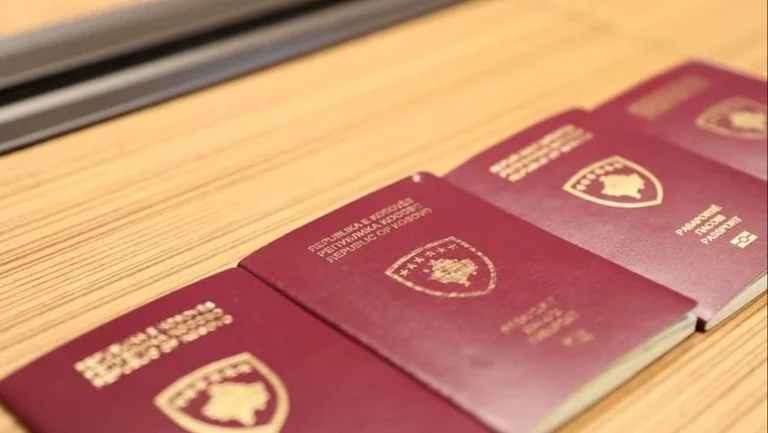
For necessary documents, however, it becomes known that citizens must have biometric passports, precise information about the country and the purpose of travel.
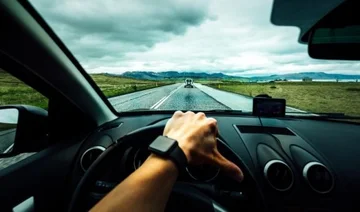
Car drivers also need documents, including green card.
Often Asked Questions
Questions most often asked (FAQ) on Schengen visa-free travel for Kosovo citizens with Kosovo passport
When can I travel without visas?
Kosovo citizens will be able to travel visa-free to the Schengen area as of January 1st, 2024.
For what purposes can I travel without visas to the Schengen area?
Visa-free travel enables Kosovo citizens to travel visa-free for short stays as tourists, but also to visit friends or family members, participate in cultural or sports events, business meetings, medical treatment, short-term educational programmes such as seminars, conferences, workshops, summer schools and any similar activity.
Where Can I Travel Without Visa?
EU member states covered by visa removal are:
EU member states that are part of the Schengen zone: For more about the Schengen area and the list of states you visit: https://home-afquirs.ec.europa.eu/copies/Schengen-borders-and-visa/schengen-area en
b) EU member states that are not yet part of the Schengen zone, but implement the EU acquis regarding EU visa lists: Bulgaria, Cyprus, Romania
C) Lifting visas also applies to linked Schengen states: Iceland, Liechtenstein, Norway, and Switzerland.
Can I travel without visas to Ireland?
No. Even though it is part of the EU, Ireland is not part of the Schengen Zone. They apply another visa regime: for more details, see the appropriate website of Embassy/Consulata.
Can I travel without visas to the United Kingdom?
No. The UK is no longer part of the EU. They apply another visa regime: for more details, see the appropriate website of Embassy/Consulata.
How long can I remain without visas in the Schengen zone?
You can stay 90 days in any 180-day period within the Schengen zone. If you travel several times, you must carefully calculate your days, since the general period of stay should not exceed the total of 90 days within 180 days.
In applying this rule, the following aspects should be considered:
The date of entry is considered the first day of stay on Schengen territory;
Quit date is considered the last day of stay on Schengen territory;
The 180-day reference period is not fixed. It is a moving window, based on access to view every day of stay (be it at the moment of entry or on the day of a current search, such as police control in the interior or border control after departure). Lack, no travel towards the Schengen zone for a period of 90 days, allows for a new stay of up to 90 days in a 180-day period.
Can I enter the Schengen area more than once during that period?
Yeah. However, you should carefully calculate the days of your stay as the general period of stay, which should not exceed the total total of 90 days of stay within each 180-day period.
So the 90-day period begins from the moment you first enter the Schengen area. For example, if you enter the Schengen area for the first time on January 1, 2024, the next six - month period begins in 180 days, or exactly June 29, 2024. So within those 180 days you can only stay in the Schengen area until 90 days. If you often travel to the Schengen area, you must count the remaining six days from the last six months.
What travel documents are needed to exploit visa-free travel to the Schengen area?
) Biometric passport (valued for at least three months after leaving the Schengen area date);
) Witnessing the purpose of travelling to the Schengen area;
) Evidence of staying as hotel booking or details of the place where you're staying;
Travel details, including booking the return ticket;
) If driving by car, needed car documents;
) Evidence that you have enough financial resources.
Does liberalisation mean employment in the Schengen area states?
No! Visa liberalisation in any case does not imply employment opportunities in the Schengen area states.
Do I need visas to work in the Schengen area for less than 90 days?
Yes, member states require visa and work permits if you intend to work there, even if it is in less than 90 days. Please contact the Embassy/member State Consulate where you aim to work to ask if a particular line and work permit is needed, usually type of visa D. Visa liberalisation does not allow and gives you work permits, but only brief tourist visits and family members.
Will I have to apply for student visas if I plan to travel to the Schengen area for studies?
Yes, you must apply for a student visa in case you intend to conduct studies that spend 90 days staying in the Schengen area within 180 days. For studies you need to apply for a study visa until necessary documents and regulations vary from country to country. Therefore, it is recommended that you consult with the embassy or consulate in the country in which you plan to start your studies.
Can I travel for health reasons?
When you reason, travel to the Schengen area is allowed for health treatment. This trip should be in the maximum period of 90 days. Depending on the state you visit, various documents may be required as part of verifying conditions for your position. For example, you may be required evidence from the host health institution as evidence of planned health treatment or invitations for medical analysis. Always be careful that health care should be completed within 90 days. If treatment will last more than 90 days, then you will have to secure the relevant visa through the responsible embassy.
Does lifting visas give you the automatic right to enter the territory of Schengen states?
Lifting visas does not provide an unconditional entry right and attitude. Member States have the right to refuse entry and stay in their territories if one or more of the entry conditions are not met.
For attitudes no more than 90 days in any 180-day period, the entry conditions are as follows:
There is no passport with sufficient validity (minimum 3 months after the planned period of return from the Schengen area); ;
It sets forth forged documents; justifying the goal and conditions of the target position, having enough financial means, both for the duration of the stay and for the return;
In the past, it has exceeded 90 days of stay in the 180-day period;
(c) not a person for whom a signal was issued to the Schengen Information System (SIS) for the purposes of refusing entry;
(d) not be considered a threat to public policy, internal security, public health, or international relations of any member states, especially when there was no alarm issued at the national databases of the Member States for the purposes of refusing to enter the bases.
(e) When there is evidence that the person is involved in criminal activities or clear evidence that he purposes to do so.
Have I guaranteed entry into Schengen without a visa?
Visa-free entry into the European Union is not guaranteed. Access can be rejected by border police if you do not have a valid passport with sufficient deadlines, you have no documents proving the purpose of travel and evidence that you have enough financial means for the planned stay in the Schengen area, or in the past exceeded 90 days' stay in the 180-day period.
What documents should I show the officer/compressor at the border?
You need to show your passport that was issued within the previous 10 years and is valid for at least three months after the target date of departure from Member State territory. In addition, during border control you may also be required to show documents that confirm the purpose and conditions of your stay (your friend's letter, invitation to a conference, agenda of a seminar, etc.). Travelers should have information on their purpose of visiting, accommodation and booking, return tickets, evidence of sufficient financial means to cover the position (money ready and/or credit card). You are recommended to have travel insurance. If you intend to stay with your family relatives or friends, you should have the correct address and their telephone numbers.
How much money do I have to carry to travel to the Schengen area?
According to Article 5ė3 of the Schengen Border Code: <x0mmm of living standards will be assessed in line with the duration and purpose of the stay and referring to the average prices in the Member States concerned for accommodation, multiplied by the number of stay days. ”
For any more recent information, each Member States determines the sum; please consult the Web site of the relevant Member States through which you intend to enter Schengen.
Verification that third country's citizen in question has sufficient means of life for the duration and purpose of staying objective, for his/her return to the country of origin or transit to a third country, or that he/she could take these means legally. To assess the means of living, the amounts of reference specified by any Schengen area state must be taken into account.
Verification of adequate livelihoods can be based on cash, cash, Czech travellers and credit cards in the possession of third country citizens. The declarations of sponsorships, when such statements are envisioned by national legislation and letters of guarantees/possesses by the hosts, as defined by national legislation, if third country citizens remain with a host, could also constitute evidence of sufficient means of life. The validity of a credit card can be verified by contacting the launching company or by using other available facilities at the border crossing point (e.g. Trade offices. The invitation from the host can be verified by directly contacting the host or verifying the host's trust through national contact points of the Member States in which the host lives.
Is medical security always necessary for travel to the Schengen area?
Medical travel insurance is not mandatory. However, it is recommended that you receive one in case of travel to Schengen countries.
If I plan to visit a friend or relative living in the Schengen area, will I have to provide any specific information on this person at the border?
You may be required to provide information about this person. It is recommended that you at least have residence addresses and contact numbers. Border authorities may call your friends on the phone to verify whether you will stay with them or visit them at the address given to ensure that it is a private or a family visit.
After visa-free travel is implemented, can I travel from one Schengen country to another?
There are no border controls among countries in the Schengen zone. However, border controls are conducted between Schengen countries and Bulgaria, Cyprus and Romania (EU member states that still do not fully implement the Schengen acquis).
If I stay beyond 90 days (without residence or long term permission) or work in the Schengen Zone (without work permits), what can happen?
A non-commercial The EU, which stays in the Schengen area for more than 90 days (without residence permission or long-term visas), is illegally present, which could result in a ban on re-entering the Schengen area. Working in the Schengen zone without work permits is also illegal (even if it is less than 90 days) and could also result in a ban on re-entering the Schengen area. Depending on the member state, administrative fines could also be implemented. Misuse and excessive attitude could lead to financial fines and result in the expulsion and prevention of entry into the Schengen area for up to 5 years.
What could be the result of eventual wrongdoing?
In the event of eventual violations and abuse of visa-free travel, personal consequences include: pronunciation of the financial fine, formal marking of your passport and file indicating violation of the Schengen system, as well as stopping the Schengen area's entry to up to 5 years.
Who can't travel to the Schengen area?
People who figure out the lists of persons who pose a threat to order, public health, or internal security.
People who have been subjected to bans on entry in even one of the Schengen area countries, or have been subjected to an evacuation order, forced evacuation (restitution or deportation), which is largely applied for cases of illegal residence.
Can I be denied entry into the Schengen area states?
So, the Schengen state border police have the right to deny access to any citizen in case:
X coordinate There is no passport with sufficient validity (minimum 3 months after the planned period of return from the Schengen area);
X presented forged documents;
X coordinate There are no documents proving the purpose of the journey;
X coordinate It does not present evidence that there are sufficient financial means to cover staying expenses;
X coordinate It has exceeded 90 days of stay in 180 days;
X coordinate Dangers for public security, public health or international relations for one or more Schengen states;
X coordinate When there is evidence that the person is involved in criminal activities or clear evidence that he purposes to do so.
What is ETHIAS, and when will it be operational?
The European Information and Travel Authorisation System is known as ETIAS (in English). System ETHIAS is not yet functional and may be operated on during or after 2024, according to warnings. Until it is still in operation, Kosovo citizens with currency passports will enjoy visa-free travel rights starting on January 1st, 2024. The moment it's fully operational and it works, the system. E TIAS will be worth all states that have no visas to enter the Schengen area, so the same for Kosovo.
ET The IAS is an automated IT system that must reveal the risks, from the point of immigration and security, to people who can travel to the Schengen zone without visas. At the same time, this system will make it easier for the vast majority of travelers who do not risk crossing borders. All citizens outside the EU who enter the Schengen zone without visas, so even Kosovo passport owners, will have to apply for a travel authorisation through the E system. TIAS before departure. A symbolic sum will be paid online for this service, which is not yet scheduled. Information gathered by ETIAS allows for preliminary checkup on possible dangers of irregular and security immigration.
After meeting the online application form, the system conducts checks on EU border and security information systems. In the vast majority of cases, permission to travel is obtained within minutes. Authorizing the Journey E TIAS will be obliged to enter the Schengen zone. Border guards will control these authorisations, along with travel documents, when travellers cross EU borders. This pre-control of citizens excluded from visas outside the EU facilitates border controls, avoids red tape and delays for travellers arriving at the border, co-ordinates and harmonises the risk assessment of third countries' citizens, and significantly reduces entry failures at border crossings.
How much money do I have to carry to travel to the Schengen area?
We've recently received many questions about how much money we should have with us or deposited in the bank in order to visit the Schengen area states. In view of the fact that #the schedules can travel from January 1st, 2024 for short - term tourist or family visits, and the remaining 90 days are being given some practical information.
As a traveler/e, once you reach the first Schengen border point, you may be asked by border police if you have enough financial evidence for your trip. The amount of these tools depends on two sets of factors: 1) on the number of days you will stay and the state you visit and 2) on whether you will remain in charge as a hotel/apartment or a relative.
If you claim to stay with your relatives by offering their address and contact, depending on which country you visit, the amount of tools is about 30 UR a day per person. If you state that you will stay at a hotel or apartment or any other charge, depending on which country you visit, the amount of resources you should offer as financial evidence is about 50 BAR 100 EURY a day per person.
Services from friends or family members can be verified by direct contact with the host by telephone or by verifying their address through the police. Until, verifying enough financial means can be done in some ways by asking you to show cash (cash), bank cards, credit cards, confirmation from a conference or seminar covering your expenses for accommodation and food, hotel payment testimony or any other confirmation or testimony for your travel costs.
Every Schengen state determines the sum; please consult the website of the Schengen area member states you plan to visit. So the daily sum stands out whether you visit Greece, Croatia or visit Switzerland or Norway. A table of reference sums you can see in this link: https://home-afphairs.ec.europa.eu/sem/files/2023-9/reference amunts table.pdf
For the end, you do not need to deposit certain amounts of means at the bank, but you must testify that you have sufficient financial means to cover your stay there, including costs for returning to Kosovo.
I have a deadline visa by December 31st, 2023. If I've traveled before the new year, can I stay in the Schengen area a few more days after the new year?
You must have a Schengen wave visa by December 31st, so including December 31st, 2023. If you have already entered the Schengen area before December 31st, 2023 and since with the Kosovo passport no visas are required on January 1st, 2024 you can continue to stay in the Schengen zone. In this case, the same rules apply, you can only stay 90 days within 180 days. So the days calculated in the Schengen area for short-term visits to your case include those of the year 2023, so be careful with the count of days since they account for you from the date of the first entry into the Schengen area.
For more visit https://home-affairs.ec.europa.eu/copies/schengen-borders-and-visa/smart-borders/european-vel-information-ausolation-system en
Important:
Visa-free entry into the European Union is not guaranteed. Access can be rejected by border police if you do not have a valid passport with sufficient deadlines, you have no documents proving the purpose of travel and evidence that you have enough financial means for the planned stay in the Schengen area, or in the past exceeded 90 days' stay in the 180-day period.