a few seconds ago
NATO to discuss permanent addition to Kosovo presence
Periskopi(3 years ago)
(3 years ago)At the upcoming two-day meeting, NATO foreign affairs ministers will discuss the possibility of a permanent increase in the number of soldiers under the alliance's peacekeeping mission in Kosovo, KFOR, the chief said NATO, Jens Stoltenberg. We recently increased our presence in Kosovo, sending thousands [...]
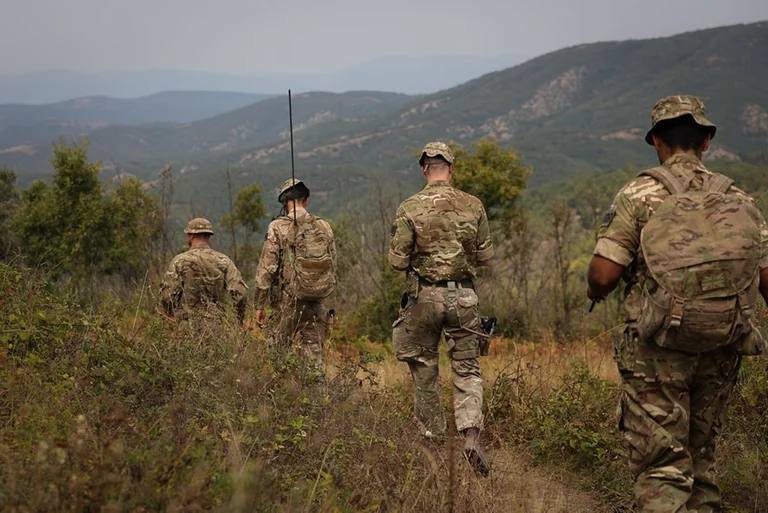
At the upcoming two-day meeting, NATO foreign affairs ministers will discuss the possibility of a permanent increase in the number of soldiers under the alliance's peacekeeping mission in Kosovo, KFOR, the chief said NATO, Jens Stoltenberg.
We recently increased our presence in Kosovo, sending thousands of additional soldiers. Now we are considering whether there should be a more permanent increase and if we need some new special skills”, Stoltenberg said.
For the possibility of a more permanent increase in NATO's presence in Kosovo, Stoltenberg also spoke during a visit to Pristina on November 20th.
Currently, there are 4,687 troops in Kosovo under KFOR's peacekeeping mission.
NATO member states' diplomacy leaders will meet on 28 November and 29 November at the alliance's headquarters in Brussels.
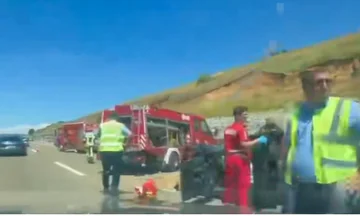
NATO has increased its presence in Kosovo after 24 September, when a group of armed Serbs attacked the Kosovo Police, killing Sergeant Africa Bulnjak. Three attackers were killed during the very clashes that day.
Secretary - General NATO, Jens Stoltenberg, promised that the Western military alliance would do everything to preserve peace in the Western Balkan region.
Stoltenberg sent a special message to Serbia and Kosovo to advance in the process of normalising reports, mediating by the European Union.
“We invite Belgrade and Pristina to engage in dialogue, supported by the EU, in trust, and we also believe that the new proposal for the Association of Serb majority municipalities can be an important step for dialogue and that this process will be more constructive”, he said.
Chief NATO called on the parties to refrain from rhetoric and promotional actions that could increase tensions in the region.
At the November 28th meeting, NATO ministers will join EU diplomacy chief Josep Borrell.
The war in Ukraine and Russia's aggression in this country will have greater space in discussing ministers.
In this regard, the head of NATO confirmed that Russia's destabilising actions in Ukraine and beyond will also be discussed. He warned that Russia is trying to destabilise Europe with disinformations, cyber attacks and migration