a minute ago
NATO creates the military Schengen. Russia: Don't provoke
Periskopi(3 years ago)
(3 years ago)Europe has faced a new geopolitical reality as a consequence of Ukraine's illegal occupation by Russia and the EU has been forced to reconsider everything, its military stance and relations with Ukraine and so on. Recently on stage was proposed for “Military Schengen”, an idea that has sparked controversy and attracted [...]
Europe has faced a new geopolitical reality as a consequence of Ukraine's illegal occupation by Russia and the EU has been forced to reconsider everything, its military stance and relations with Ukraine and so on. Recently on stage was proposed for “Military Schengen”, an idea that has sparked controversy and has drawn sharp reactions from Russia.
The head of the NATO Logistic Command for Europe told Reuters on Thursday that he would like to see such an area.
“Running out of time,” he said “What we do not do in peacetime will not be ready in case of crisis or war”, he stressed. NATO's Logistic Command for Europe, located in the German town of Ulm, co-ordinates the movement of people and materials of the NATO bloc across the continent.
Kremlin spokesman Dmitry Peskov said Moscow would respond if this “Military Schengen” becomes reality.
“NATO has always considered our country a so-called ideological enemy. Now openly he considers him a visible opponent. This statement serves nothing but raising tensions in Europe, and that has consequences --” said Peskov. Talks on creating a “Military Schengen” shows once again that Europe is not ready to hear Moscow's legitimate concerns, but is ready to strengthen its security at Russia's expense”, Peskov said.
NATO is constantly moving its military infrastructure towards our border. We are not the ones moving towards NATO infrastructure. NATO is getting closer to us, and this could only cause concern and lead to revenge measures to ensure our security,” said Peskov.
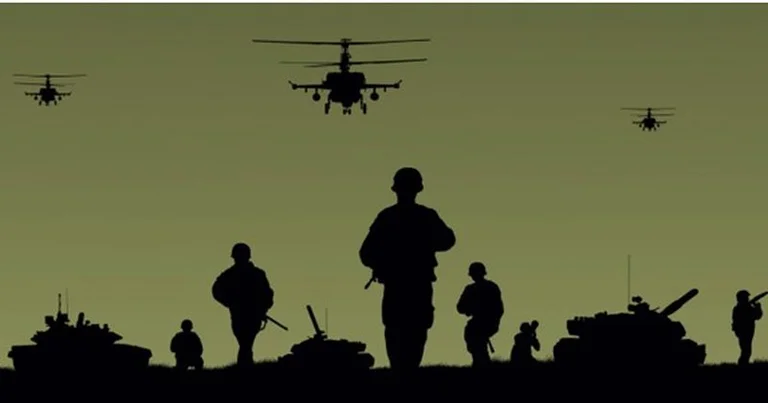
Since the end of the Cold War and the fall of the former - BR The SS, NATO has expanded about 1,000km east, accepting Poland and the Baltic states in its alliance, expanding its eastern wing to a total of 4,000km. NATO currently has 10,000 soldiers in eight battle groups stationed throughout Eastern Europe.
Secretary - General NATO Jens Stoltenberg announced last year that there are plans to reinforce these deployed forces with 300,000 high alert soldiers in reserve. NATO's rapid reaction force currently numbers up to 40,000, and the proposed change represents a wide revision in response to Russian militarism. According to plans, NATO will also move ammunition reserves and other supplies farther east -- a transition that will be completed within this year.
NATO holds eight battle groups across Eastern Europe, aimed at acting as an initial protection of the first line in case of a Russian invasion. Four are in the Baltic states and Poland, and these were completed with the creation of four others in Bulgaria, Hungary, Romania and Slovakia following the attack on Ukraine.