19 minutes ago
Council of Europe experts: Kosovo not to send special units to the north
Periskopi(3 years ago)
(3 years ago)Independent Council of Europe experts say Kosovo's legislation fits the Council of Europe's standards for rule of law, but they demand from Kosovo the establishment of association of Serb majority municipalities, implementation of the Constitutional Court's Constitutional Court for Decan Monastery Property, respect for the judiciary's independence and non-ndering [...]
In an assessment report, coming six months after the Council of Europe Ministerial Committee approved the application for Kosovo's membership in this mechanism, experts demanded by Kosovo authorities “to abandon their opposition to the founding of the Serb majority municipality association” and start negotiations on forming it.
Kosovo Prime Minister Albin Kurti has recently declared that he is ready to sign the draft status union establishment offered by Western envoys on 21 October as part of the agreement offered to Serbia and Kosovo to normalise relations between them. The agreement envisions recognition of documents, symbols and mutual respect for sovereignty and earthly integrity. The agreement also calls on the parties not to interfere with the integration processes, but does not include the obligation for mutual recognition.
The expert report, released Monday, is part of the analyses that will be assessed by the Parliamentary Assembly of the Council of Europe before Kosovo's application for membership is put to the polls. To join Kosovo needs the support of two-thirds of the 46 Council of Europe member states.
Kosovo applied for membership at the Council of Europe in April 2022. Its membership in this mechanism is represented as part of the Brussels agreement between Kosovo and Serbia, reached in February and in Ohrid in March of this year with the European Union's mediation.
The report identifies three key challenges in the justice system, in particular about the functioning of local courts, especially in the northern part of Kosovo due to increased tensions, disrespect of judicial independence, and <x0-primes of overuse of special police forces in the northern part of Kosovo.” Experts ask the Kosovo government to fully respect the independence of the justice system” and “limit the undeserved criticisms that are undermining” confidence in it.
In the findings of the report, experts, who are committed by the Council of Europe's assembly to assess the compliance of Kosovo's legal framework with the Council of Europe standards, ask the authorities to implement “without delay the Constitutional Court's decision in the case of Decani Manastr”, referring to the 2016 decision of this court that recognises the Serbian Orthodox monastery ownership of 24 hectares of land around it. Kosovo's various governments have not implemented this decision and it has become a constant criticism of the international community towards Kosovo.
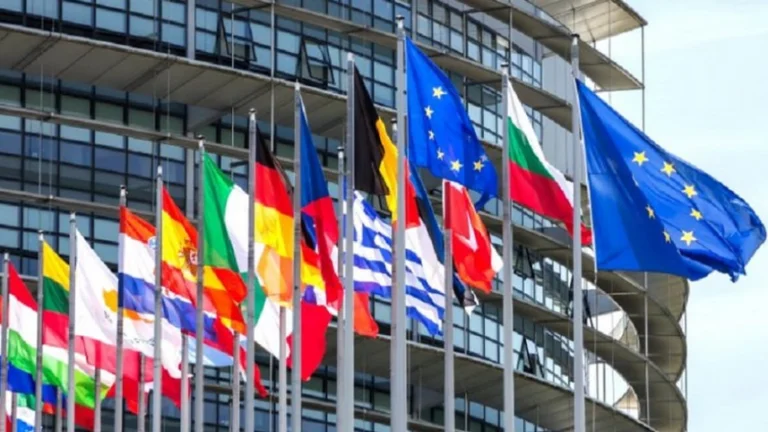
The Council of Europe is an international human rights organisation, democracy and rule of law in Europe, established in 1949. Last year, following the Russian attack on Ukraine, this mechanism has expelled Russia from its ranks.
The expert report stresses the need to continue fighting organised crime and corruption, carrying out reforms in the justice system, as well as improving the human rights situation for minority communities in Kosovo, including primary and secondary schooling for the Roma community, Ashkali, Egyptian and disabled children, as well as the use of native languages.
Last week the Council of Europe criticised the region, which has failed to bring to justice those responsible for war crimes, praising that reconciliation among the new states, which emerged from Yugoslavia's destruction, has not yet been achieved.
In the Kosovo expert report, they ask authorities to adopt strategies to promote interethnic dialogue and confidence building.
Kosovo submitted its application for membership in May 2022, shortly after Russia's expulsion from this organisation because of its aggression against Ukraine.