2 minutes ago
Germany says number of Corleone cases reached from Kosovo, Croatia, Turkey
Periskopi(6 years ago)
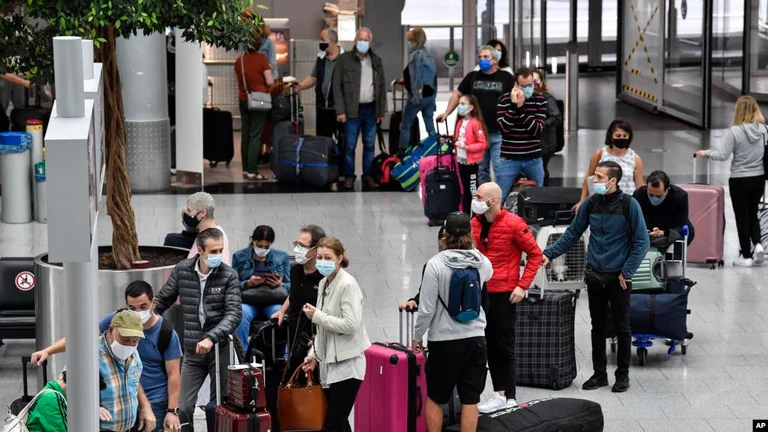
(6 years ago)In Germany the number of coronary cases has increased in recent weeks. Data from the Robert Koch (RKI) Institute for Infectious Diseases on Wednesday showed that 1.510 new cases were recorded, bringing the total number of infected to 226,914. The institute said 39% of cases were probably imported from [...]
In Germany the number of coronary cases has increased in recent weeks. Data from the Robert Koch (RKI) Institute for Infectious Diseases on Wednesday showed that 1.510 new cases were recorded, bringing the total number of infected to 226,914. The institute said 39% of cases have probably been imported from Kosovo, Turkey and Croatia, which are cited as the source of infection in recent weeks, Reuters reports. Meanwhile, the head of the vaccine regulator in Germany said that certain groups of people living in Germany could be vaccinated early next year against the Coronobrus.
So far, COVID-19 disease has killed almost 800,000 worldwide and seriously damaged the global economy. Klaus Cichutech, head of the Paul Ehrlich Institute, told the Funke newspaper group that data from first and second stage studies showed that some vaccines caused an immune response against the coronary. If data from the third stage evidence shows that vaccines are effective and secure, they can be approved at the beginning of”, he said.
Several companies, including Modernna, AstraZeneca, and Pfizer Inc, say next year they expect to produce more than 1 billion doses of a vaccine. The German biotechnology firm, CureVac, has not ruled out the possibility of a rapid adoption process for its future vaccine and expects it to be released on the market until mid-2021.
Russia has said its vaccine will be produced by the end of this month. According to the World Health Organization, 25 vaccines are currently undergoing clinical trials, and more than 100 are being developed worldwide.
Test phase 3 includes millions of people and the process lasts for several months, O says The BSH, which has asked all companies and states to adhere to guidelines for producing safe and effective vaccines.