2 minutes ago
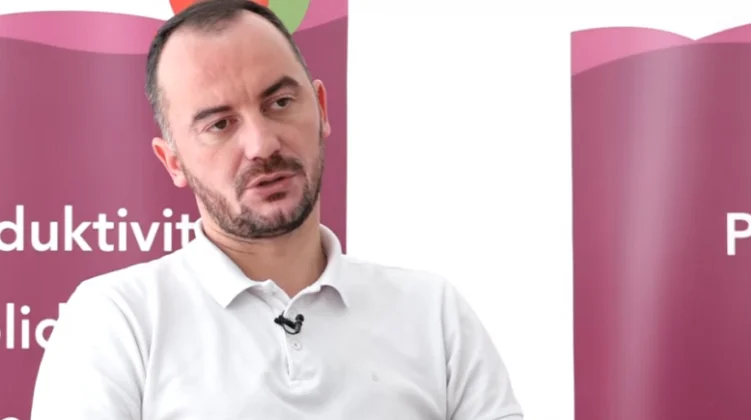
Mollyqa: Government to change measures that are putting the country into deep economic crisis
Periskopi(6 years ago)
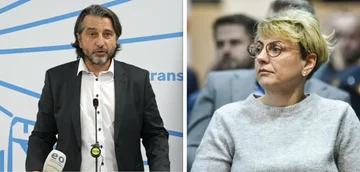
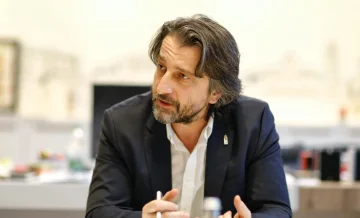
(6 years ago)Chairman PSD, Dardan Moliqaj, says it is now time to change the measures the government has taken. Molyqaj proposes that those who can work from their homes continue to work, but those who have to return to their jobs, but by respecting rules against COVID. Full Posting: Time [...]
Chairman PSD, Dardan Moliqaj, says it is now time to change the measures the government has taken.
Molyqaj proposes that those who can work from their homes continue to work, but those who have to return to their jobs, but by respecting rules against COVID.
Full Posting:
Time to change measures that are putting the country into a deep economic crisis
Now, when weeks passed by the introduction of strict measures to prevent the distribution of COVID-19, data from various states that applied various measures clear to us which measures were successful and which were not.
The Kosovo government undertook a series of general measures implemented in other states, without taking into account the context at all and adjusting them to our country's needs.
The positive effect of these measures was the slowdown in the distribution of the virus, but this did not happen in all states. While the negative effects of these well - thought - out measures have many.
As general as these measures were, the same measures were undertaken both to society in general and to endangered groups (the elderly and citizens with other health problems). Thus, although the goal was to preserve endangered groups, these measures only endangered these groups.
On the other hand, the economic damage already seen in our country and seen to be very serious will directly affect the public health of our citizens because of the loss of jobs, the increase in poverty and depression that will result from these effects.
It's time for the country's institutions to reflect and reconsider these measures, and focus on safeguard clauses for groups endangered by COVIDD19, ranging from insulting, financial to caring for society.
The whole part of society that is not in business or that can do housework should continue to stay at home, while it is imperative that all sectors of the economy, where it is possible to keep distance between people and to have good clean conditions, return to work as soon as possible.
The reduced hour of movement is already evidenced of counterinfectation, because when time is limited, the number of people is concentrated within a certain time, with circulation cases over that time being more dense than in a situation where there is no reduced hours of movement. Public transportation should also be launched immediately, limiting the number of people who enter buses simultaneously.
And last, but not out of importance, social and subventional packages to the public and private sector are measures that don't regenerate the economy, but tend to buy <x0). In such an economic crisis, the” social outlook” is the opposite of solving the problem, rather maintaining it. Thus, aggregate demand is urgently needed, which is only if the country's government increases public spending. On the contrary, if it continues with these thoughtless measures, Kosovo risks sinking into a deep economic crisis that would cause irreparable damage for a long time.