4 minutes ago
He called the police for the threat, shot the threat to the police: Neo-nazis infiltrate German police
Periskopi(6 years ago)
(6 years ago)Threats with computer-related deaths and the discovery of extreme right-right groups in police departments throughout Germany have increased the probe to infiltrate neo-Nazis. FRANKFURT Travel to work far away from home, Seda Basey-Yildiz has received a message on her hotel fax: “
FRANKFURT Travel to work far away from home, Seda Basay-Yildiz has received a message on her hotel fax: “We'll rip you up with your kid. ”
A German defence lawyer of Turkish origin who specializes in cases of Islamic terrorism says Mrs. Basay-Yildiz was used to threats from the extreme right. But the latter, who arrived late one night in August 2018, was different.
Signed with the initials of a former neo-Nazi terrorist group, it contained its address, which was not accessible to the public because of earlier threats. Whoever sent him had access protected by the State.
I knew I had to take this threat seriously. They had your address. They knew where my chip lived. And so for the first time, I called the police. ”
Extremism of the extreme right in Germany, with tools that are new and very old at one time, is freaking out the country that boasts that it has dealt honestly with the murderous past. This month, a two-year parliamentary investigation concluded that extreme right networks had penetrated widely into German security services, including elite special forces.
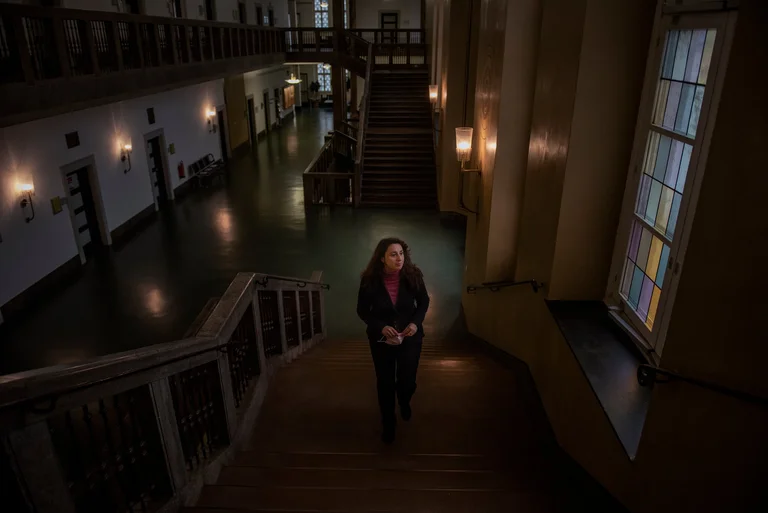
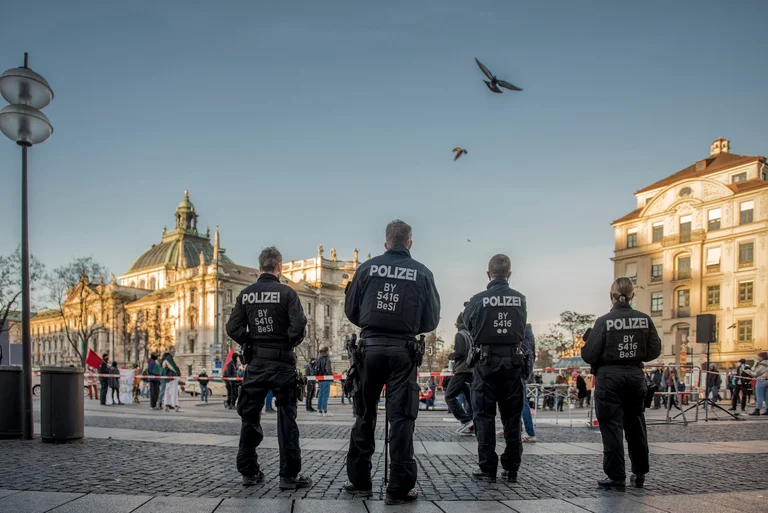
But increasingly, attention is turning to Germany's police, a more procrastinated and decentralised force with less strict supervision than the army and with the most immediate impact on the daily safety of citizens. Hence, experts were disturbed and alarmed.
After World War II, the biggest concern between the United States of America, its allies and the Germans themselves was that police forces should never be militarized, or politicised, or used as a staff by an authoritarian state as the Gestapo had been used.
The police had been fully regulated in West Germany after the war, and the cadets throughout the country had learned how embarrassing the police tradition had been under the Nazis.
Yet, Germany is surrounded by revelations that police officials from different angles in the country had formed groups based on extreme right ideology.
I've always hoped this would be about individual cases, but there are many of them now,” said Herbert Reul, interior minister of the North Westphalia of Rajni, the country with most residents in Germany, where 203 policemen are under investigation for reported links to extreme-right incidents.
For Mr. Reul, the alarm had sounded in September, when 31 police officers in his country were found to have distributed violent neo-Nazi propaganda.
The “was almost the entire unit of officers and we found this thing all by chance,” said Reul last week in the interview. This shocked me. This wasn't important. ”
“We have problems with extreme right extremism,” he said. I don't know how deep this enters into institutions. But if we don't deal with it, it'll grow. ”
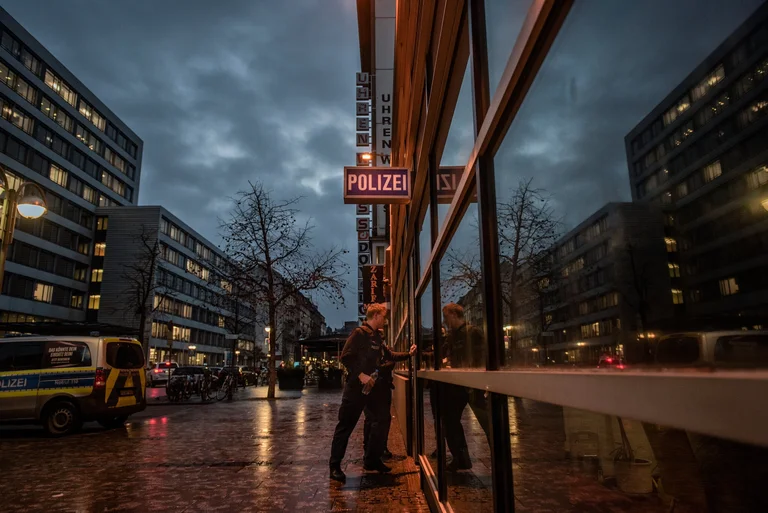
And she grew up month after month.
31 officers in the western state of Mr. Reul had been suspended in September to distribute images of Hitler, about refugees in gas rooms, and about the death purpose of a black man. The leader of the unit was part of it, too.
In October, a racist group of conversations with 25 police officials went into Berlin police after a frustrated officer who his superiors were doing nothing on that occasion, spread the news. In another case, six screws were expelled from the Berlin Police Academy after they reduced the importance of the Holocaust and distributed swastical images to a conversation group that had 26 members.
In November, a police station in the western city of Essen was raided after images of weapons emerged that were listed in such a way as to form swastika. Last week, an extreme right group of four policemen in the northern cities of Kiel and Neumunster was discovered. Weapons and memorials of the Nazis were found in these raids.
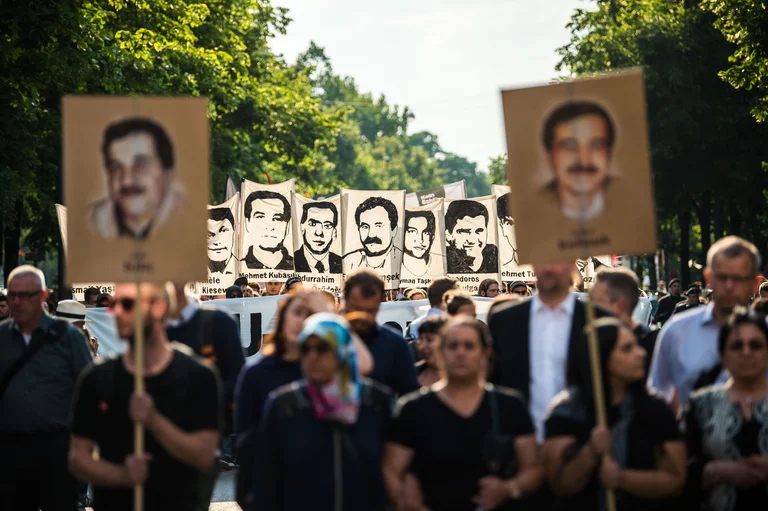
There's been a lot of attention to the state of Hesse, the place where Mrs. Basay-Yildis, and a number of high profile targets of neo-Nazi threats.
Mrs. Basay-Yildiz is extremely familiar with discrimination in Germany.
When she was only 10 years old, her parents took Seda to help translate when they went out to buy car insurance. The seller had refused to sell it to you. “We don't want foreigners,” he said.
I therefore decided to understand what rights I had in Germany,” recalls Mrs. Basay-Yildiz. She went to the library, found an agency to complain, and got their parents the insurance they wanted.
That was when she realized what she wanted to do with her life.
She gained fame as a lawyer when she confirmed a family of a Turkish florist who was shot at in his stand split the street. He was the first victim of N. S. The U, “National-Socialist”, a neo-Nazi terrorist group that killed 10 people, among them 9 immigrants, between 2000 and 2007.
Police forces throughout Germany have blamed immigrants, refusing to admit that the aggressors were wanted neo-Nazis while paying informants for intelligent services to hide group leaders. Files on informants were destroyed by intelligence service within days after the confession exploded in public in 2011.
After a five-year trial ended in July 2018, Mrs. Basay-Yildiz won her clients a modest compensation, but not what they had hoped for the most: the answers.
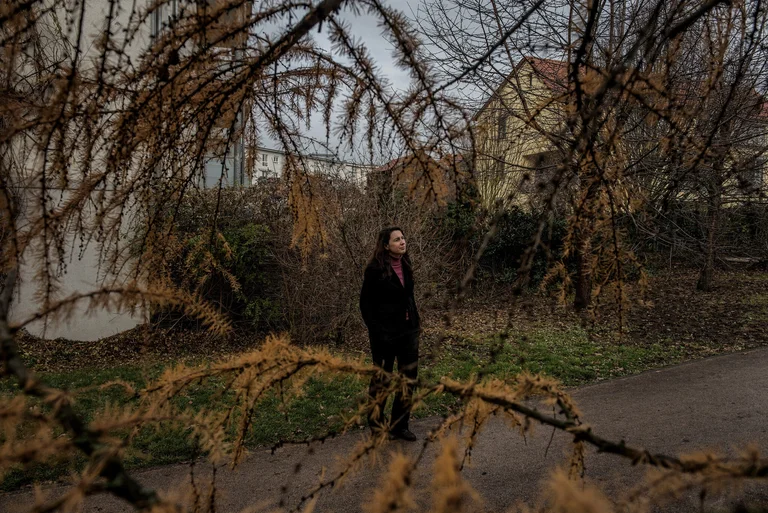
“How large the network was and what state institutions knew,” says Mrs. Basay Yildiz. “After 438 days in court we still don't know. ”
Three weeks after the trial ended, she got the first threat through the fax. And the threats did not stop. Mrs. Basay-Yildiz represents the very kind of change in Germany which he despises in incumbent right.
But she's not the only one. Police computers in Hesse have been used to steal Turkish-German comedian Idil Baydar, and left politician Janine Wisler, to threaten him later. The president of the state police did not report this for months. Then he resigned in July.
Most threats, including what was done to Mrs. Basay-Yildiz, came in e-mail forms signed “NSU 2.0”
The investigators had discovered that information about Mrs. Basay-Yildiz had been taken into a computer in Frankfurt's first area to become a threat later, the policeman who had been locked up had been suspended. The entire police station was searched with computers, phones, which led to the suspension of five other policemen. The number later rose to 38.
But, Mrs. Basay-Yildiz is not convinced.
If you have 38 people, then you have a structural problem,” And if you don't understand this, it's just gonna change. ”
Others also fear that infiltratement to police ranks poses a special threat to Germany.
Like the army, police have been aggressively tried by the alternative for Germany, the far-right party founded in 2013. Four of its 88 lawmakers in the federal parliament are former police officials nearly 5 percent compared to less than 2 percent in all other parties.
Depiction in state institutions, particularly those institutions with weapons, has been part of the party's original strategy. Especially in the eastern states, an alternative even more extremist has penetrated deep into the police force.
Bjorn Hocke, a history teacher turned politician who leads the German Alternative to the eastern state of Thringia, has repeatedly called on police officials and intelligence agents to resist government orders, which he calls the true <x0 enemies of democracy and freedom. ”
Then it is the question of whether police forces can positively play the police themselves. Despite strong evidence in her case, Mrs. Basay-Yildiz, notes that aggressors have not been identified.
The official who was locked in the work station who had access to the lady's address in question, and the names of her daughter's birthday, her husband, her father's mother, turned out to be part of a group in Thesap that contained dozens of policemen distributing racist and neo-Nazi content.
An image featured Hitler in a rainbow with a good “Night inscription, Jews,” Then there were concentration images of prisoners and images that ridiculed refugees and people with Down syndrome.
Officials were suspended and interrogated. They offered a bunch of alibis.
And the investigation was terminated.
More frightening than the threats, Basay Yildiz says, was the protection police were making to extremists in their ranks.
Threats continued to come, sometimes every month, sometimes every week. She moved with family to another part of town. Her address was even more protected than before. The regular police computers didn't have it. For 18 months she felt safe.
Early this year, however, this changed: Anyone who threatened him had identified the new address and made it clear that he knew.
This time the police came in and said the address had not been approached from within their ranks.
The “Qirku of those within the security services with access to my details is too small,” it stresses.
Last February, an extreme right killed nine immigrants in two grass showers in the town of Hanau, near Frankfurt.
In June 2019, politician Walter Lubcke, who had defended Chancellor Angela Merkel's decision on refugee policies, was shot dead in front of his house.
On November 11, Mrs. Basay-Yildiz took her last threat. It opened with the words “Heil Hitler! ” and shut down with “ ”
When she reported the case to the police, her assessment was that she and her daughter were not in any real danger.
But I can't rely on this anymore,” she says. “Who do I trust? And who do I call if I don't trust the police?Periscope