19 hours ago
Why is regular maintenance of radiators important? This is how you clean them properly
Periskopi(7 months ago)
(7 months ago)In many homes radiators are an invisible part of daily life. As long as they are at work, we rarely think of their maintenance. However, experts from the heating industry, such as Jess Steele from the British company BestHeating, have been warning for years that dust and accumulated fat can significantly reduce the efficiency of [...]
However, experts from the heating industry, such as Jess Steele from the British company BestHeating, have been warning for years that dust and accumulated fat can significantly reduce heating efficiency.
“Puth in radiators can prevent the release of heat”, Steele points out.
Keeping the radiator clean is not just an aesthetic obligation. This is a key part of the home's energy efficiency care. With some simple steps, you can significantly improve the performance of your heating system, lower your energy bills, and provide a warmer, healthier, and comfortable home during the winter months, reports the report. Telegraph, broadcast Periscope.
Step One Is Always Security
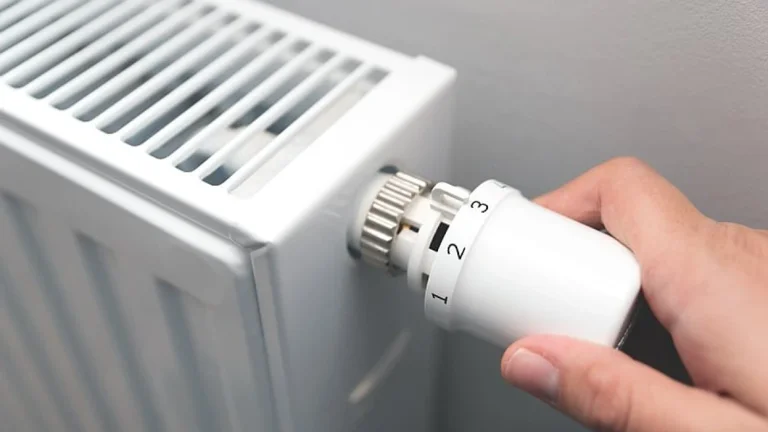
Before cleaning, turn the radiator off and let it cool completely. Cleaning a hot radiator can be dangerous and inefficient, since uncleanness is easier to remove when the surface is cold. Remove the outside of the radiator with a soft rag to remove dirt and surface uncleanness.
Hair dryer method
The second step involves cleaning up difficult areas to achieve, especially among panels and pages. It is recommended that you use a hair dryer placed in the cold air to remove dust from inside the radiator.
This approach is especially useful for modern radiators with narrow spaces that are hard to reach with a regular rag or brush. Then you can use a vacuum cleaner with a narrow throat to collect the remaining dust.
Lights of dust from radiators
The third step is to remove dust from the radiator, where the largest amount of dirt is usually accumulated. A long brush or a vacuum cleaner can effectively solve the problem without having to remove the radiator from the wall.
Repeated Purge
The fourth step is to sweep the radiator with a soft cleaning agent, especially in kitchen rooms where fat deposits can be collected.
You need to avoid aggressive antibacterial spray or hard chemicals because they can react to high temperatures and damage radiator clothing. /Periscope