20 hours ago
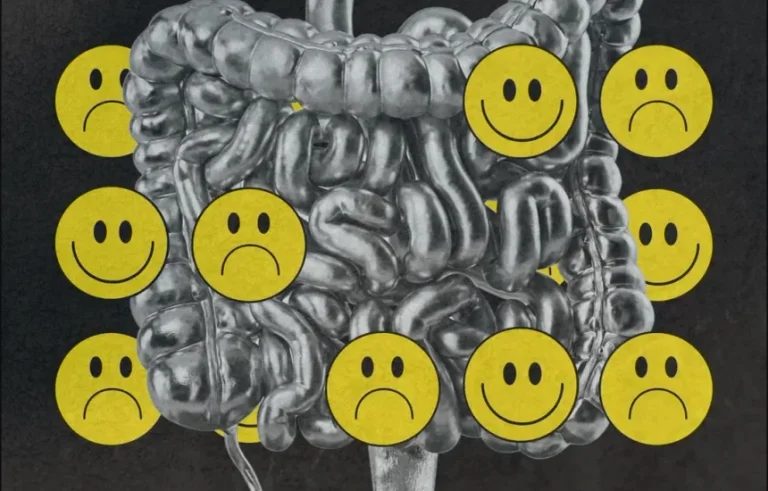
What effect do problems with intestines have on a person's mood?
Periskopi(7 months ago)
(7 months ago)For many years mental health has been viewed as beginning and ending in the brain. But new research is showing that another part of the body can have a big role in human emotions. The bacteria that live in the digestive system serve not only for the digesting of food but communicate [...]
The bacteria that live in the digestive system serve not only for the digestment of food but they communicate directly with the brain, affecting stress stability and even symptoms of depression or anxiety, writes TIME.
Scientists call this connection “bush-tru” (gut-brain axis), a concept that is changing the way humor and mental well-being are understood. Studies show that depressed people often have less bacterial diversity in their intestines, that probiotics can alleviate anxiety symptoms, and that changes in food can affect brain chemistry within a few days.
There's already more scientific evidence than ever before for a direct link between intestinal and brain health. Intestine microbima can clearly affect the function of neurons”, said Dr. Carl Kwok, gastroenterologist in California's Kayser Permanente.
How are the intestines and the brain connected?
If you have ever felt “loss of stomach” before a presentation, then you have experienced this relationship. At one time it was thought that the intestines simply followed the commands of the brain, but it is now known that germs in the intestine play an active role in shaping emotions.
“Communication lines between intestinal microbiome and the brain include substances that produce bacteria, including neurotransmitters. Changes in fat, blood, or inflammatory substances can also affect the brain through microbiotic”, explained Dr. Roy Ziegelstein, cardiologist and researcher at Johns Hopkins University.
Dr. Catherine Ngo, gastroenterologist at Hoag Digest Health Institute, describes this system as a city that never stops:“Imagine your intestines as a moving city and your brain as if it were a city hall on the hill. They must constantly communicate that everything works well”, she said.
This communication occurs through several channels: the vagus nerve that connects intestines with the brain, the immune system that sends signals during inflammation, and the hormone system that informs about hunger, stress, and humor.
“Microbet decides which channelal) will light a soothing program when everything is in balance, or a stress transmission when not”, Ngo added.
In fact, about 90 percent of serotonin, the chemical known as the “ion of happiness”, is produced in the intestine, not in the brain.
“is not surprising that the most common medicines for mood disorders (SSRI) often have side effects on the digestive system. They are operating in a system that is deeply interrelated”, it has added.
The Effect on Mental Health
Scientists suspect that microbiotic disorders may be linked to anxiety, depression, and even disorders such as bipolarity or PTSD.
The majority of tests so far associate microbiotics with depression and anxiety. But even diseases like schizophrenicia, autism or OCD are being studied”, Ziegelstein said.
In animal experiments, the results are clear.
“Mines without intestinal germs are more concerned and hyperactive. When transplanted by depressed people, they begin to act as depressed”, Ngo indicated.
In humans, however, the results are more complex.
“While evidence that microbioma affects humor is strong, evidence that its change improves mood is still limited” has warned Ziegelstein.
A 2021 review by Advances in Nutrition stressed that the utero-tru axis is a promising course for dealing with mental health, but more studies are required to prove whether probiotics or diets can have lasting effects.
Also, an Oxford University analysis found that “probiotics can reduce symptoms of depression and anxiety”, however, the authors acknowledged that wider research is needed.
What Effects Man's Microbiotics?
According to experts, food, stress, and sleep have a major impact on the balance of uterine bacteria and, therefore, humor.
The food you eat feeds culinary germs and shapes the way they function”, Ngo said.
According to Ziegelstein, “dietary changes have the greatest impact. A healthy microbiotic is strengthened by foods that do not greatly increase blood sugar levels and those rich in omega-3 fatty acids, such as fish, chia seeds, linen seeds, and nuts”.
Kwok has added that whole cereals, fruits and vegetables such as cabbages or green salads help to increase good bacteria that improve brain health and humor.
But more than half of the average American diet consists of ultra-worked foods, which over time damage uterine mucos and negatively affect the brain.
According to the CDC, 57 percent of the calories in the U.S. diet are derived from these foods, which can cause chronic inflammation and reduce bacterial diversity - two risk factors for mood disorders.
Meanwhile, chronic stress and sleep deprivation reduce useful bacteria, while physical activity helps to maintain balance.
It's like a symphony that plays in harmony with food, sleep and movement work together to improve mood-affected bacteria”, Kwok said.
Can depression be treated through the intestine?
Many experts are optimistic but cautious.
The line between the intestine and the brain is real, and good nutrition, stress management and intestine care can help improve mood. But these are not cures for depression or anxiety”, Ngo said.
A 2024 study in Frontiers in Pharmacology suggested that probiotics can lower inflammation and improve cognitive function.
There is evidence that changing microbiotics, predatorics, diet or even fecal transplants can help mental health. The strongest effect appears in symptoms of depression, but studies are still small”, Ziegelstein said.
The transplant of the fecal microbiotic microbiotic is a medical procedure that restores the balance of healthy bacteria to the intestine through the fecal material of a healthy person who is processed and transferred to the patient's intestine by coloscopy, clima, nazogasteric tubes, or even capsules.
Kwok sees diet change as a good starting point: “If you start eating healthier, your microbioma changes within days. Deeper changes occur after several months, and moods can gradually feel improvement”, he stressed.
Finally, experts point out that intestine care does not replace professional treatments, but it can be a valuable addition.
“Heath is not the same for all. Guidance from a trusted doctor can help you find the best way to improve your body and mind”, Ngo has concluded.