19 hours ago
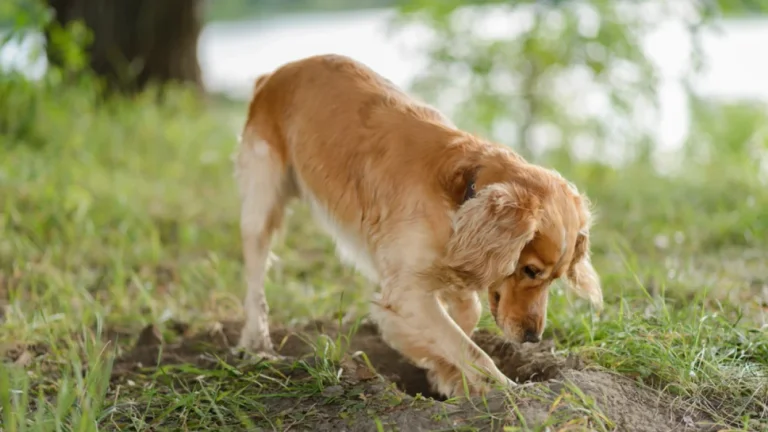
Why do dogs dig holes in the yard? What is behind this ancient instinct?
Periskopi(7 months ago)
(7 months ago)That's why they do it and how you stop getting fired, and you meet a scene like that in cartoons: your dog, covered in mud, proud of a newly dug hole right in the middle of your beautifully arranged bar. Sounds familiar? Excavation is instinctive behavior for dogs, but can [...]
Return from work and face a scene such as in cartoon movies: your dog, covered in mud, proudly seated next to a newly dug pit, right in the middle of your beautifully arranged grass. Sounds familiar? Excavation is instinctive behavior for dogs, but it can turn into a nightmare for owners. Fortunately, there are several ways to channel this energy and save the yard from “reconstruction”.
Although the reasons for digging are different, from instinct to frustration, the good news is that there are solutions. Below are eight more common reasons why dogs dig and deal with this behavior, writes The Spruce Pets.
1. Hunting Intensities
All dogs, even the most pet, carry the predatoric instinct inside them. This is why they worship sound toys and why they follow squirrels into the park. As you explore the courtyard, your dog can smell or hear animals beneath the ground. Dogs with strong hunting instincts, especially teriers, will begin digging for arrival.
2. Hide “thesari”
Some dogs have a strong instinct to hide valuable things for them, food, bones, or toys. This is a natural survival mechanism. Even though you need his chewing toys, the dog doesn't know that, he just wants to keep it from others. So he digs a hole that serves as a perfect hiding place.
3. Searching for Refreshment
If you've ever been in an underground cave, you know that the temperature a few inches below is lower. During hot days, the dog can dig to fresher soil where it can rest. Nordic parts, such as mammut and Huski, often do so to escape the heat.
4. The Search for Warming
The opposite can happen in winter: the dog digs to create a <x0-street<x1 warm>. The earth is a good insulator, and holes can serve as a place of refuge. If you see this behavior, check if it's not too cold for the dog that's outside, it broadcasts thegraphy.
5. Stress and Anxiety
When a dog feels stressed or anxious, it may begin to quickly dig into the release of energy accumulated, even if there is no real threat.
6. Boredom
Dogs become destructive if they have nothing to do with it. Excavation is a common sign of frustration, as is excessive barking or biting. Make sure your dog has enough physical activity and mental incentive to eliminate frustration as a cause.
7. The Great Escape
Sometimes the grass is really greener on the other side of the fence, at least that's what the dog thinks. Curiosity leads him to dig under the fence to see what's beyond. If no one told him he was allowed to leave, why not try?