2 days ago
Scientists are surprised at the discovery of life “named impossible” under Arctic ice
Periskopi(8 months ago)
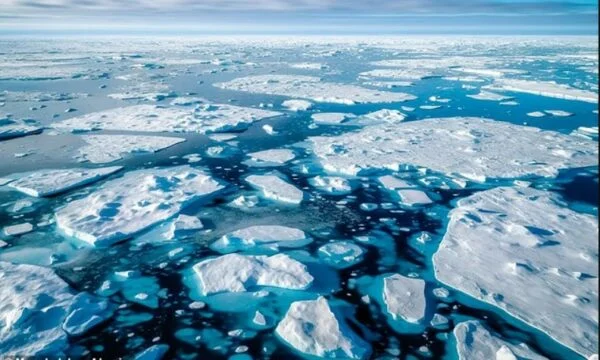
(8 months ago)An incredible discovery has left the amazing scientists - small microorganisms, invisible to the naked eye, surviving under the frozen surface of the Arctic Ocean. Experts at the Copenhagen University in Denmark found that these bacteria live using organic matter dissolved in cold waters, but must also convert nitrogen [...]
Experts at the Copenhagen University in Denmark found that these bacteria live using organic matter dissolved in cold waters, but also have to convert nitrogen to keep alive a element that is usually scarce in the Arctic.
“We have discovered a significant phenomenon under the ice of the Arctic Sea that was previously considered impossible,” said scientists in a statement.
This phenomenon can affect the food chain and the carbon balance in the north. ”
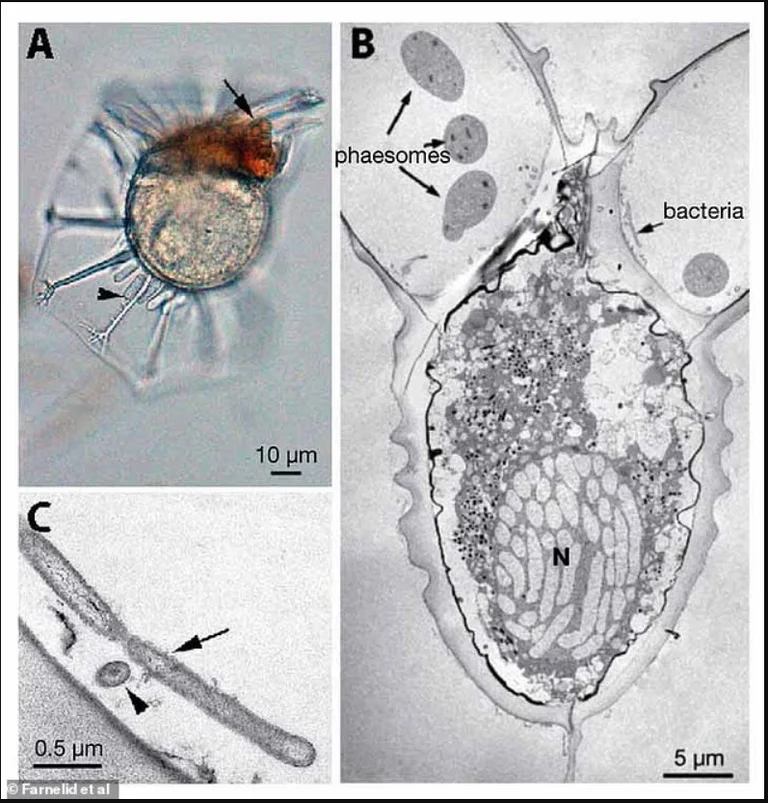
Bacteria that <x0 fix” nitrogen
These microorganisms are officially known as non-ciranobacterial” bacteria that replace nitrogen “, converting it from air to use for survival, like ammonium. Unlike many other underwater bacteria, they do not photograph.
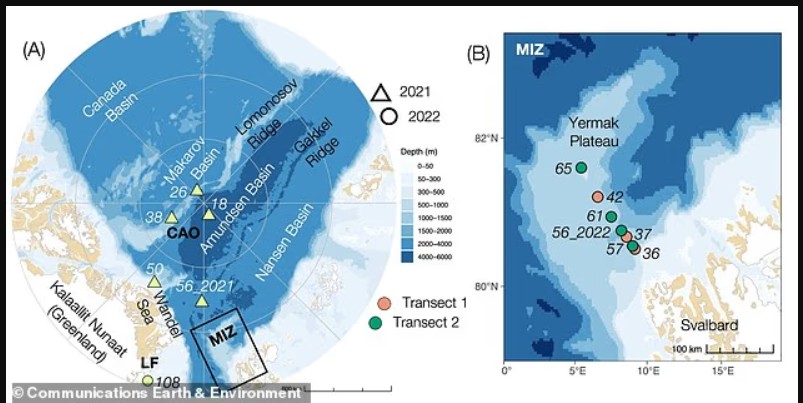
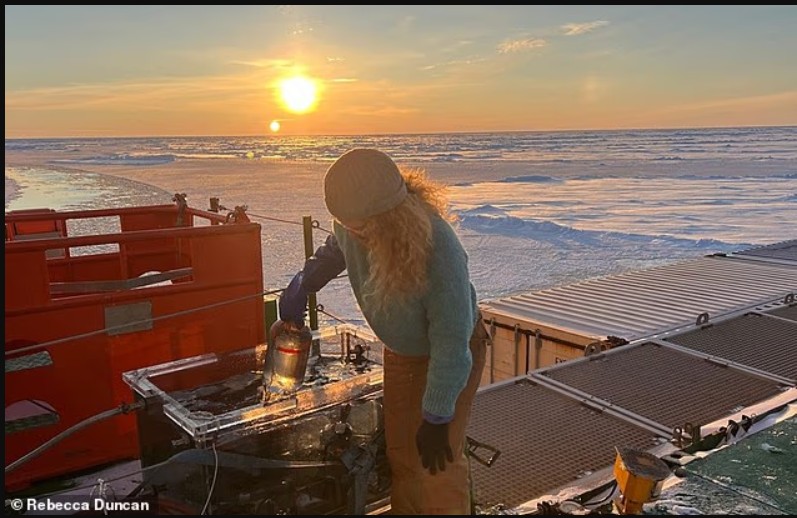
During research, scientists took water samples from 13 different countries in the Arctic from the board of the research ship RV Polostern. The results showed high levels of nitrogen fixed, especially at the edge of the ice where melting is more active even though nitrogen is relatively low, which makes this discovery extremely strange.
While it was now believed that nitrogen fixing could not happen under the ice, it turns out we were wrong,” said Dr. Lisa W. von Friesen, author of the study.
An Important Role for Algas
NEDs and other bacteria feed on dissolved organic matter, such as algae, and in exchange release fixed nitrogen, which helps the algae grow. But an excessive increase in algae can cause blood-toxic, harmful to fish, sea creatures and sea midmies.
The Effect of Climate Change
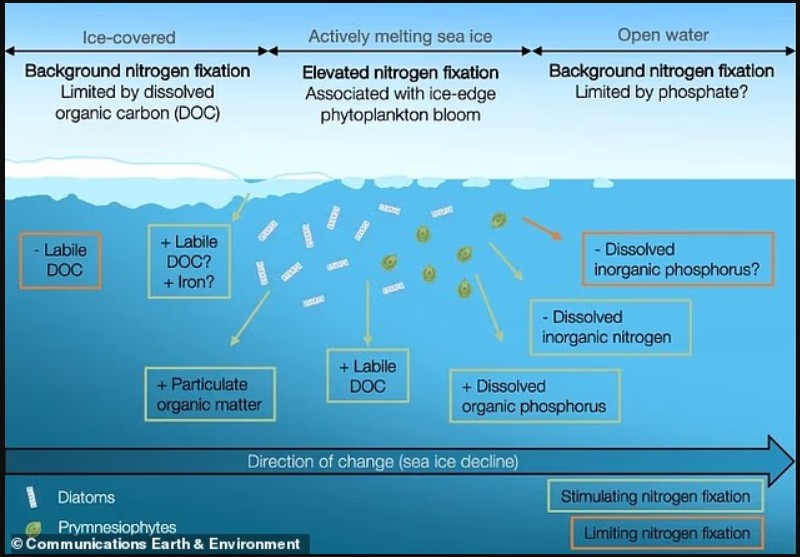
Scientists point out that global warming has reduced the ice surface in the Arctic, affecting the growth of their survival. The area where ice is more active has more nitrogen fixed than ice - covered areas, showing a clear link to climate change.
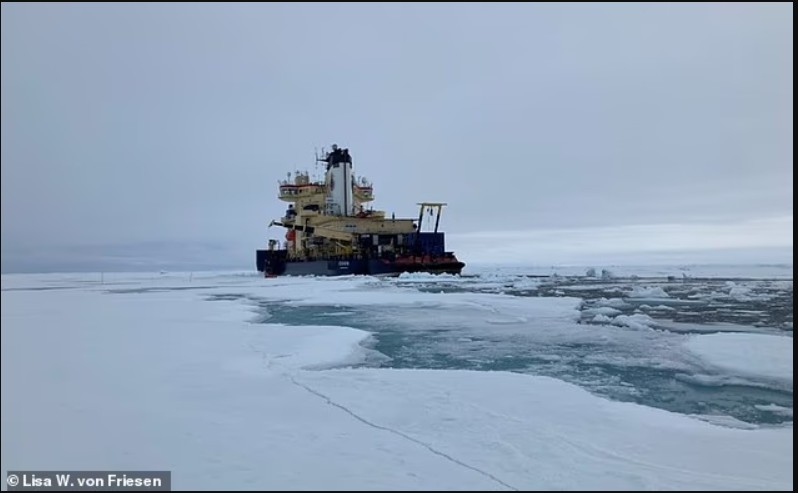
“Archik is warming up to four times faster than the global average, which has caused a major decline in coverage, age and ice thickness,” explain researchers.
The study, published in Communications Earth & Environment, is the first to show that nitrogen fixing occurs below sea ice even in the central Arctic. The authors suggest that this phenomenon should be taken into account when predicting future changes in the Arctic Ocean.
What is the nitrogen cycle?
Nitrous (N) is almost 80% of the atmosphere and is essential to the life of plants and animals. It is used to create proteins and enzymes, while plants use it for chlorophyll and metabolic processes.
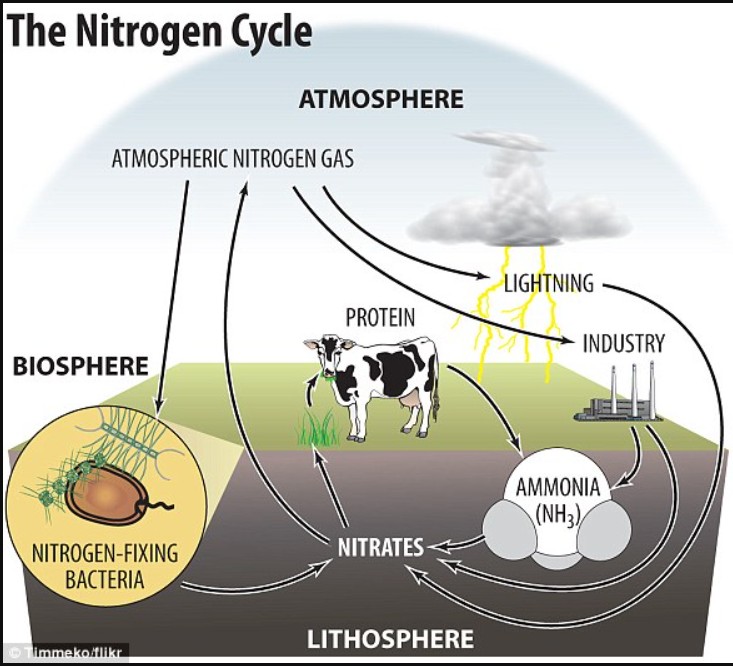
The nitrogen cycle includes its transformation from air to land and plant, with the help of fixed nitrogen organisms, lightning, and the bacteria converting it to nitrate. When the plant dies or is eaten by animals, nitrogen returns to earth, closing the life cycle.