2 days ago
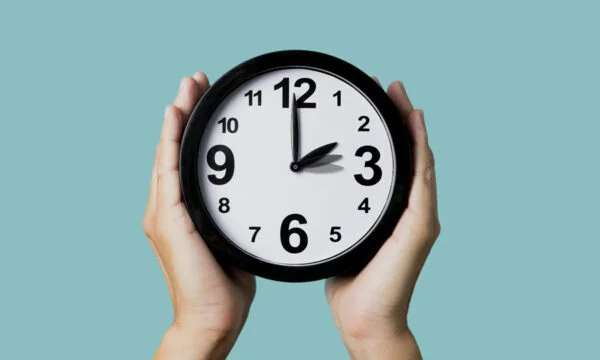
How does changing the clock affect people's health?
Periskopi(8 months ago)
(8 months ago)The hour of day's savings was first introduced in Great Britain in 1916 during World War I, with the aim of curing energy and the maximum use of daylight. Today, this practice applies from some 70 countries, and there is more and more evidence that time change can [...]
Today, this practice applies to some 70 countries, and there is more and more evidence that time change can negatively affect health, and the most obvious effects are seen with the change of time in the spring when we lose an hour of sleep.
In 2014, researchers in the United States found that the number of heart attacks in the hospital increased after the clock was changed. These findings have been confirmed by studies in Sweden, Croatia, Germany and other countries.
A met-analysis of all available studies showed that the risk of heart attack during this period increased by a considerable 4 per cent, reports the BBC, Kosovohas
Other studies have linked the change of time in the spring to an increasing number of strokes. While a person may feel that more light at night would be beneficial for mental health, a 2020 study showed that the transition to the hour's savings makes mood disorders, depression, anxiety, and substance abuse worse.
In addition, the number of fatal traffic accidents is also on the rise. One American study estimated that the risk of fatal accidents increases by 6%, attributed to the consequences of collective sleep deprivation.
Why does changing the clock have such a profound effect?
The answer lies in the breakdown of the inner “ ” that regulates when we sleep and when we are awake. In the evening, the decline in light levels stimulates the production of melatonin, the sleep hormone, and the morning light stops its production and stimulates the release of the cortisol, which awakens us.
The change of time in the spring upsets this natural process. More light in the evening breaks down the production of melatonin and makes it harder to fall asleep, while the darkest mornings force people to wake up before they are almost natural. This one - hour sleep loss can lead to an increase in sleep fragmentation throughout the week.
Some studies have linked the change of time in the autumn to an increasing risk of depression. A study in Denmark found that the frequency of depressive episodes increased by 11 percent in ten weeks after the clock was changed.
The European Parliament voted to lift the change of clock in 2019, but this has not entered into force, as countries cannot agree on what winter or summer hour they should keep. Most Cydiaan biologists believe that winter standards would be better for our health.