2 days ago
A mistake many make when washing dishes
Periskopi(2 years ago)
(2 years ago)The dishwashing emergency is essential in the kitchen. However, when washing the dishes by hand or using a dishwasher, you are likely to use many detergents. Of course, this is bad for your wallet and your environment, and ultimately for your health, when the cleaning agent is left over [...]
Of course, this is bad for your wallet and your environment, and ultimately for your health, when the cleaning agent leaves on the dishes.
Most people don't even ask how much detergent is enough, but they stick to the principle. You can also believe that clean vessels require large amounts of detergent, but the truth is exactly the opposite. Overuse of the detergent may leave waste in vessels, demanding additional rinse.
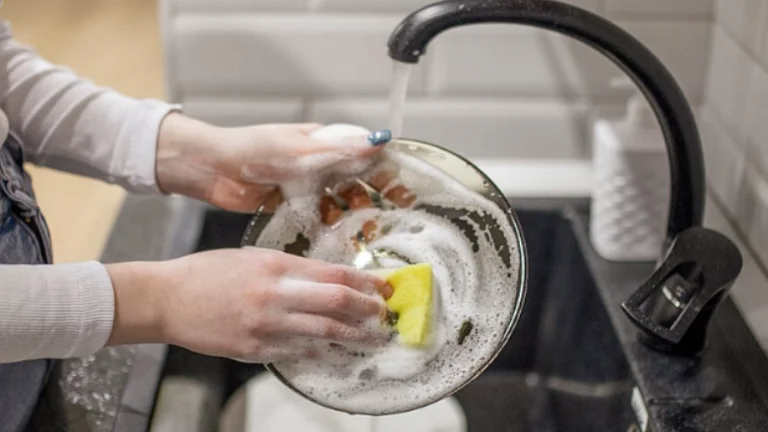
When you use a dishwasher, a very small amount is enough. When washing by hand, press only one drop over the sponge, which will be sufficient for a large number of dishes, pots, and dishes. To make the detector last longer, gently grasp the sponge in its palm to distribute it.
During dishwashing, some people use a different method, which has the advantage of being quite economically washed in a container of water and detergent.
Overuse of the dishwasher can cause foam, leaving soap waste in the dishes, demanding longer washing times. The result is, of course, extra water consumption. Eating food from leftover vessels with detergents can also pose a health hazard, leaving a sour taste in the mouth.