US, European MPs seek to change approach to Kosovo, Serbia
 (3 years ago)
Tens of politicians from Europe and the United States have sent a letter to senior European Union and Washington officials, demanding that access be changed in relation to Kosovo and Serbia. British MP Alicia Kearns published the letter sent to US Secretary of State Antony Blinken, chief of EU diplomacy Josep [...]
Tens of politicians from Europe and the United States have sent a letter to senior European Union and Washington officials, demanding that access be changed in relation to Kosovo and Serbia.
British MP Alicia Kearns published the letter sent to US Secretary of State Antony Blinken, EU diplomacy chief Josep Borrell, and British Foreign Secretary James Cleveland. She said this letter was signed by ten foreign affairs committees and 56 MPs.
Addressing the recent tensions in northern Kosovo, <x0bality and proportionality in co-operation with Kosovo and Serbia” was requested through the letter.
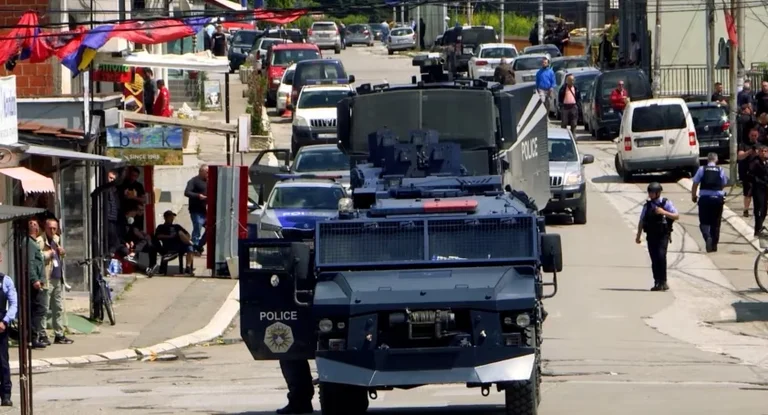
Local Serbs rejected this and organised protests, which culminated in Zvecan on May 29th, with cases hurting dozens of protesters and soldiers of the NATO peacekeeping mission in Kosovo, KFOR.
Kosovo has faced major consequences following the mayors' efforts to enter their offices in northern Kosovo. Kosovo must co-ordinate with KFOR in the future to prevent escalations. But, Serbia's lack of pressure after the arbitrary ban on three Kosovo police officers and failure to hold those who carried out attacks on KFOR point to the lack of equality in addressing”'s tensions, it was said on paper.
At the time of mounting tensions, three Kosovo police officers were arrested by Serb forces on 14 June. Kosovo said they were “losing” within its terror, but Serbia said it arrested “inside” Serbian territory. The police were released on June 26th.
The current “is not working. We ask the international community to learn from our past and to make sure that we do not approve policies for the Balkans that appeal from Belgrade. We also ask them to consider the possibility of adopting a policy of preventative diplomacy to avoid further escalation of the security and political situation in northern Kosovo, with balance and proportion in every statement and any punishment or sanctions that are undertaken, and for those who respect the rule of law and democracy not to be punished”, it was said on paper.
Because of failing to meet the international factor's main demands for lowering tensions in the north, the EU has imposed punitive measures on Kosovo.
However, Kosovo has agreed with the EU in a plan to intensify the situation, which envisions holding new elections in northern Kosovo.
Steps towards Depressing the situation in northern Kosovo
Agreement between the EU and Kosovo to implement June 3rd 2023 declaration of 27 EU nations
| Step | Action | Time |
|---|---|---|
| 1 | The Kosovo government publicly declares its readiness to engage in extending the situation and that no action will be taken that could scale the situation in northern Kosovo. This includes an immediate reduction of 25% of police presence in and around municipal buildings. | First week |
| 2 | Kosovo police conduct regular security assessments along with EULEX, and with KFOR, as necessary, to see the possibility of reducing the entire police presence in and around municipal buildings. | From the first week, over and over. |
| 3 | Kosovo's government makes a public statement to support the holding of early elections in four spring municipalities after the summer. Kosovo is committed to providing the necessary legal basis for organising elections. | From the first week, apply as soon as possible |
| 4 | The EU will invite the two chief negotiators to Brussels to finalise the presumption plan for the Agreement on the road to normalising relations, after which implementation of all provisions of the agreement will begin. | Week two |
Source Layer: Kosovo government
Pristina has said elections in the north must be prepared, so there will not be a boycott again, as in the April 23rd elections.
In these elections, local Serbs and Serb parties in Kosovo did not participate.
As far as elections are concerned, the letter said that Kosovo is an independent state and <x0 efforts to prevent democratic elections in Kosovo from Serbia should be publicly criticised as intervention by outside”.
As part of the plan agreed on between Kosovo and the EU last week, the presence of police in the vicinity of municipalities in northern Kosovo, which are inhabited by Serb majority, has further decreased.