9 hours ago
You know the main reason why people drown at sea, the big mistake you have to fix well.
Periskopi(3 years ago)
(3 years ago)During the summer, most people want to go to the beach to relax or escape from the heat. However, the sea and at other times the ocean carry dangers. Water currents are the main threat for “beach dwellers”, which may have fatal consequences. According to U.S. statistics, the currents are approximately 100 per [...]
Water currents are the main threat for “beach dwellers”, which may have fatal consequences. According to U.S. statistics, the currents are approximately 100 percent cause of drowning and 80 percent of salvations. However, field experts offer some advice for beachgoers.
When the wave hits a beach, the previous wave must go somewhere, and their channeled flow to the sea is what causes the currents. Their size changes. The currents usually move up to three metres [1 m], but they can reach as much as three meters [3 m] per second, which is so fast that it cannot pass even an Olympic swimmer.
When a person ends up in such a powerful current, panic may move him to make the wrong attempt by swimming against it to get ashore. It's like a routine job getting exhausted. Instead of resisting, the best way out is to take something routine; in any direction, but forward.
If you find yourself in the middle of the current, start by oriented yourself while sitting quietly in the water. Then swim parallel to shore until you are outside. See where a wave breaks, and this indicates that it is running toward the beach.
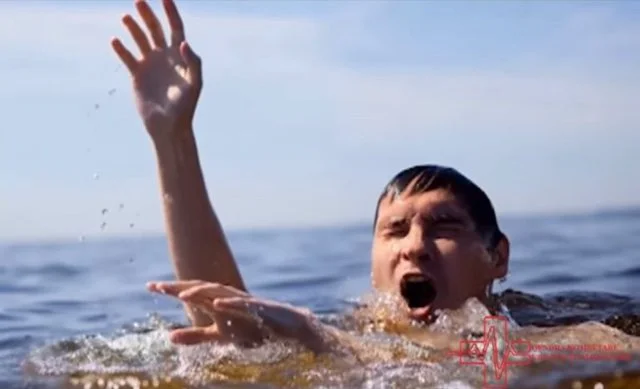
If you cannot progress, keep going with water and try to draw attention by shaking your arms. People often drown in an effort to save someone else.
Currents can occur on any beach, including lakes. These currents often accumulate sand on the shore. The water that ascends along with the sand finds its way back to the sea. The currents often create wireless channels far into the depths.
The following picture shows a graph of how it happens. In this case, you can see the escape of the electricity by seeing the waste or the water buds leaving.
Often, water in a stream may seem calm, and people do not hesitate to pitch their tents right there. Most people on a beach in Florida, for example, had put their blankets in front of an active row and when asked why they chose that place, most of them thought they were safer because the waters were calmer.
Because driving currents fly near the surface, they seem harmful. The opposite is true, though, since such waves are usually brought ashore while broken currents keep you away from it.
The following picture shows such a case, and point C shows how a channel is created.
Normal currents are manageable, but sometimes the ocean or the sea is extremely angry. In the United States, for example, meteorologists warn people of sea storms, and not only does it happen in Albania often but you always have to consider warnings and when you are told not to swim, don't do it.