4 hours ago
Archaeologists discover Italian pizza “paraserator”
Periskopi(3 years ago)
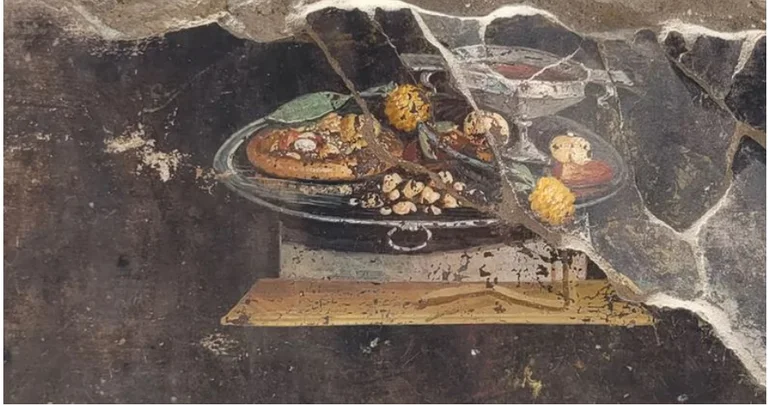
(3 years ago)In the ancient Roman city of Pompeii, archaeologists have discovered a painting that describes what may be the forerunner of Italian pizza. The flat bread described in the two thousand-year africious “could be a distant ancestor of the modern plate”, Italy's culture ministry said. But the classic ingredients are missing to be [...]
In the ancient Roman city of Pompeii, archaeologists have discovered a painting that describes what may be the forerunner of Italian pizza. The flat bread described in the two thousand-year africious “could be a distant ancestor of the modern plate”, Italy's culture ministry said. But he lacks classical ingredients to be considered technically pizza, writes BBC
Afrescu was found in a house hall near a bakery during recent excavations in the country in southern Italy. The discovery was made this year during the new excavations of Regio IX in the centre of Pompeii, one of the nine neighborhoods of the ancient site.
The building was partially dug in the 19th century before digging resumed in January of this year nearly 2,000 years after the volcanic eruption that swept the city.
Archaeologists at U World Heritage Park NESCO says the newly discovered afrescu describing flat bread, painted near a summer glass, may have been eaten with fruits such as pomegranates or dates.
Pompeii Director Gabriel Zuchtrigel said it shows the contrast between a simple “vat” and “Lux of silver tray”.
“
The skeletons of three people were also found near the oven in the house's labour areas last week, a declaration by the culture ministry added.
The explosion of Mount Vesuvius in 79 AD buried Pompeii in ashes, freezing the city and its inhabitants on time. The country has been a rich source for archaeologists since its discovery in the 16th century.
The country is only about 23km from the modern Italian pizza house protected by U. NESTO.