Prof interview. Dr. Konstantin Mitev ) Regenerative medicine in dealing with damaged artics
 (3 years ago)
The most frequent causes of damage to the artificial threat are activities related to the repeated key traumas, the strong effect of the key during sports traumas, decline and decline, unsuitable daily activity for patient age”, Prof explains. Dr. Konstantin Mitev, a specialist in general surgery, a specialist in traumatology. Injury of artificic chatter [...]
The most frequent causes of damage to the artificial threat are activities related to the repeated key traumas, the strong effect of the key during sports traumas, decline and decline, unsuitable daily activity for patient age”, Prof explains. Dr. Konstantin Mitev, a specialist in general surgery, a specialist in traumatology.
The damage to artic chatter relates to the process of aging, and the first symptoms are the pain in the key that grows when joints are stressed. This problem can lead to difficulties in carrying out day - to - day tasks, even to a certain degree of inadequacy if it is not treated in an adequate and timely manner.
What are the causes of breaking joints?
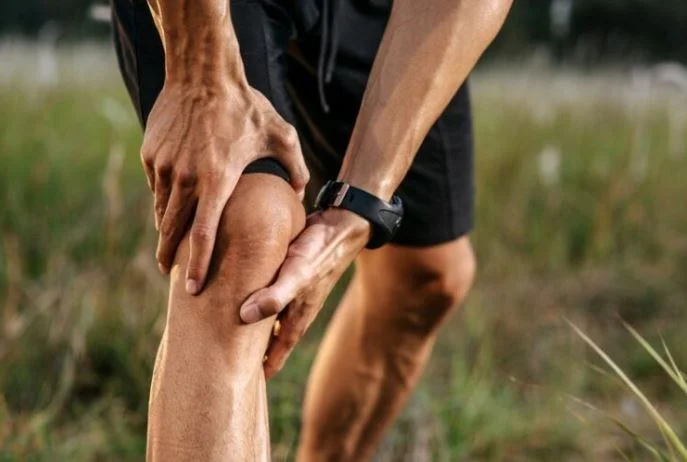
Prof. Dr. Konstantin Mitev: The most common causes leading to damageing the artificial threat relate to the process of aging. In the adult population, due to hormonal imbalance, inactivity, long-term stress in knots, loss of bone-muscular balance and obesity (overweight), there is an increase in the production of inflammatory intermediaries that have a direct toxic effect on the integrity of the key's click.
What are the stages of damage, with what problems the patient faces, and what is the dynamic with which symptoms develop?
Prof. Dr. Konstantin Mitev: The pain in the key is the first and most frequent manifestation as a result of starting to damage the click, which then grows when the joints are loaded. This is followed by swelling, hardening, creation (crush) and blocking or breaking joint function.
What activities lead to damage to the artificic threat?
Prof. Dr. Konstantin Mitev: The most frequent causers of damage to artificic chatter are activities related to repeated key traumas, the strong effect of the key during sports trauma, decline, daily activity inappropriate for patient age.
Medicine is constantly advancing, which is the youngest in dealing with damaged artificice?
Modern achievements in stem repair are changing and rapidly improving towards the use of the biological potential of the human organism. In the last decade, there is an expansion of arterial regeneration methods and treatments using stem cells, plasma rich in strokes, auto-unconstitutional/autocondiation serum, bone marrow simulations and autotransplanting of cell implants.
How does regenerative medicine work, and how is the biological potential of its organism used in dealing with damaged artics?
Prof. Dr. Konstantin Mitev: Regenerative methods for dealing with damaged artisans are safe, effective, minimally invasive and most importantly do not cause rejection of the implant or some allergic reaction because they originate with the person themselves. The regeneration of the stem is based on the use of the biological potential of blood cells ʹmocites or stem cells. Trombocytes contain a large number of factors of growth, transformation factors, and repair. The same can be accomplished by applying stem cells derived from bone marrow or fat tissue. These two methods can be used individually or combined, thus improving the quality of the repaired click.
What are the benefits of this treatment?
Prof. Dr. Konstantin Mitev: The use of modern methods for repairing damaged articulates may reduce pain and swelling in the affected knot, as well as dramatic improvement of the key function.
How long does it take to reintegration, and what follows?
Prof. Dr. Konstantin Mitev: The time for reintegration of the newly formed click varies from several weeks to several months and depends on the severity of key injury, patient age, hormonal status, and accompanying diseases that slow the process of repairing the click.
The damaged artic form may make it difficult to carry out day - to - day obligations, even on a certain degree of disability, so preventative measures should always be taken. What are your recommendations?
Prof. Dr. Konstantin Mitev: Because of the large percentage of patients who appear to be exposed to advanced and massive damage to artificice, my recommendation is not to overlook the first symptoms as mild pain, key clicks and slight swelling, but to be submitted for medical examination. Preventionary activities such as exercise, walking, running, swimming, and cycling are excellent for strengthening the integrity of the skeletal system, but must be carried out carefully and in line with the patient's age.