Despite the crisis, Germany abandons nuclear power
 (3 years ago)
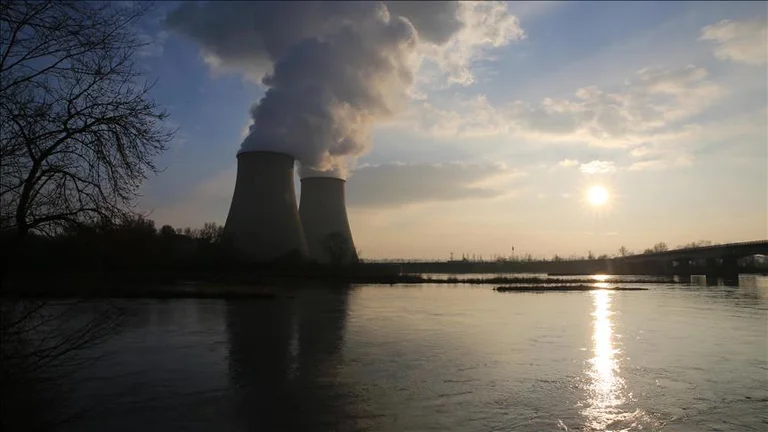
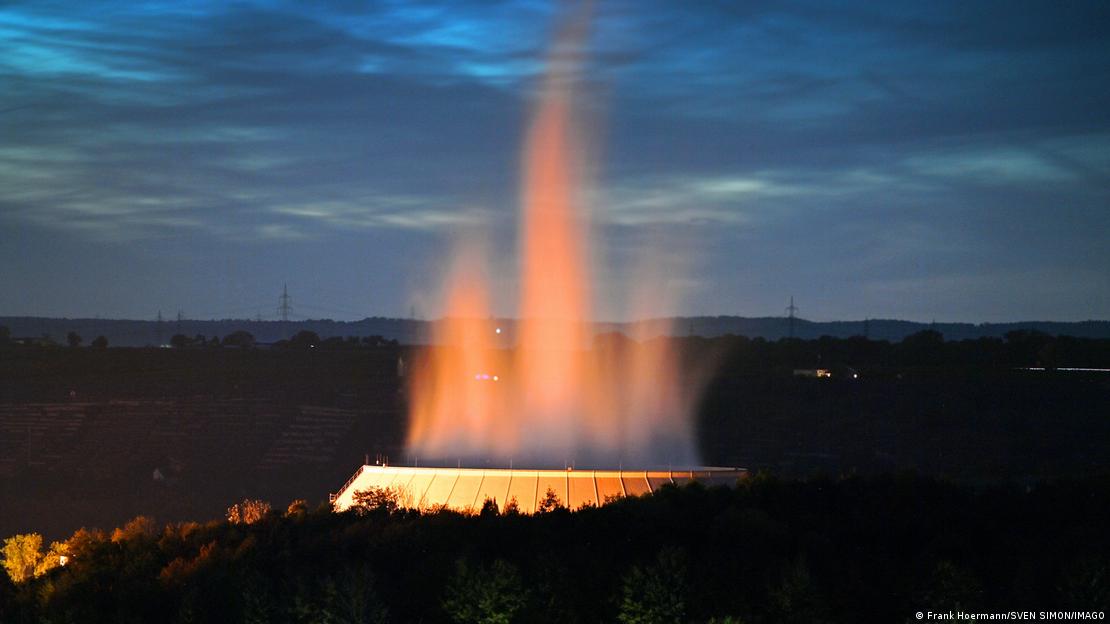
Germany shuts down its last three nuclear plants. To the Green is a dream come true. In Asia, nuclear energy is experiencing a rebirth. At the end of March, in Berlin, German Environment Minister Steffie Lemke (Gelbrill) ended a dispute that had held the country in limbo for [...]
At the end of March, in Berlin, German Environment Minister Steffie Lemke (Gelbry) ended a row that had held the country in limbo for many years: “Nuclear energy risks are not controlled at the end of the day, and that is why the gradual abandoning of nuclear energy makes our country safer and avoids new nuclear remains”.
Another brief extension of nuclear power plants
Previously, nuclear power once again became a subject of disagreement. In fact, the ruling coalition consisting of SPD, Green and FDP had agreed to respect the abandoning of nuclear power in Germany, located in 2011. The last nuclear thermo power plants would be closed in late 2022. But Russia's fight against Ukraine changed everything, as Russian gas supplies to Germany broke down and fear of energy shortages existed. Chancellor Olaf Scholz imposed his decision: The duration of the nuclear power operation period until mid-April 2023.
A Dispute That Has Lasted for Decades
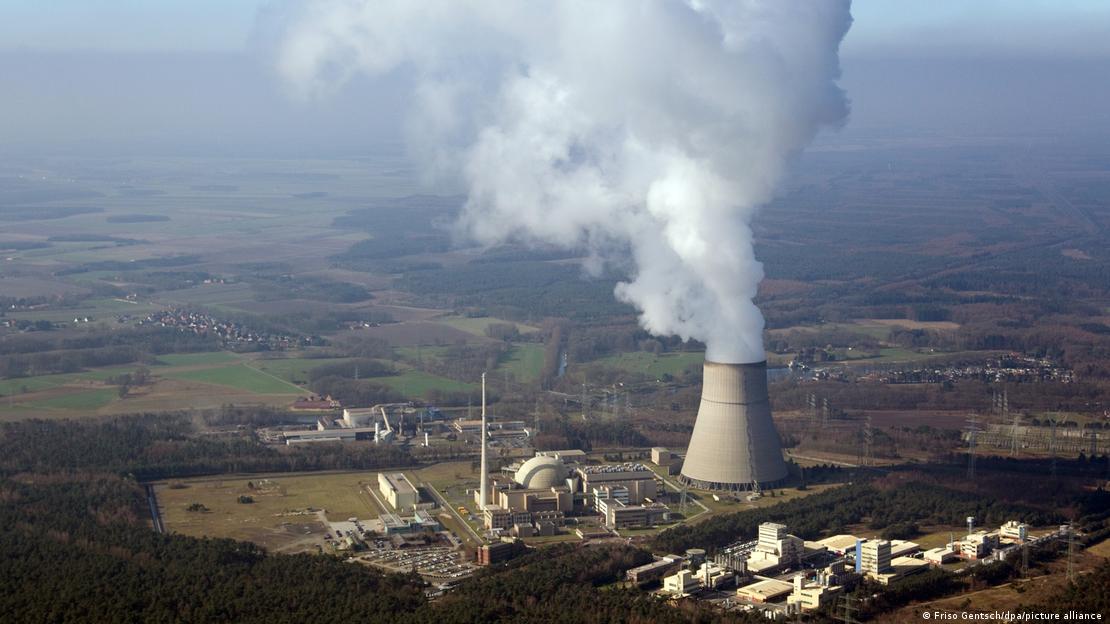
Few disagreements have polarized people, especially in West Germany, for many decades as much as nuclear energy. On June 17, 1961, a German nuclear power plant, Kahl, in Bavari, supplied the first powered public network. Today, the last three German thermal power plants still in service finally cut off supply for the network on April 15th. Among these two dates have passed 22596 days and many lively debates. Meanwhile, 19 German nuclear power plants have supplied up to a third of the country's electricity, the last time some 20 years ago.
In the old German Federal Republic, prior to the German union, nuclear power opposition led to hundreds of thousands of young people, mainly in the 1970s and 1980s. Chernobyl disaster in the Soviet Union seemed to confirm warnings of nuclear energy risks. But political parties in power ( The CSU, CSU, SPD or FDP have strongly supported the use of nuclear energy for many decades.
Nuclear Energy in Europe
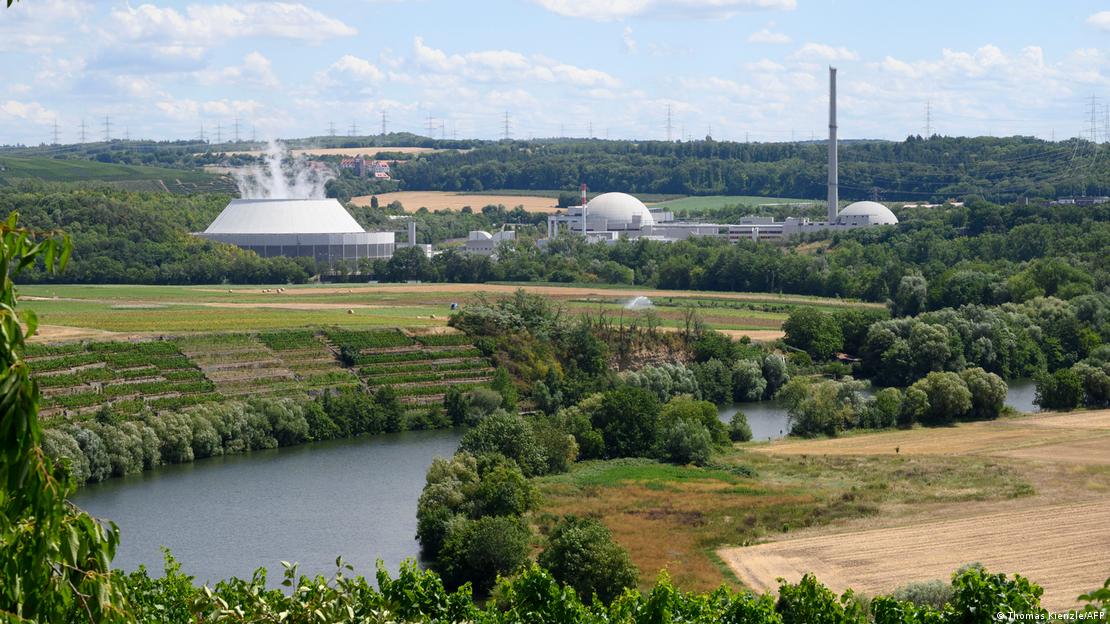
Other European countries have been faster to abandon nuclear energy gradually. Sweden was the first to decide to end nuclear power immediately after Chernobyl. Italy also decided at that time to close its last two nuclear power plants. Italy stuck to its decision as Sweden annulled its decision in 1996. Today, six nuclear power plants produce about 30 percent of the electricity needs.
Other European countries, such as the Netherlands or Poland, are planning an expansion of the nuclear power supply, Belgium is postponing the planned closure. With 57 nuclear reactors, France has always been the leading producer of nuclear power and thus will remain. 13 of the 27 EU countries want to use nuclear power in the coming years or even increase their capacity. But many experts suspect this will happen.
First German Abandonion in 2002
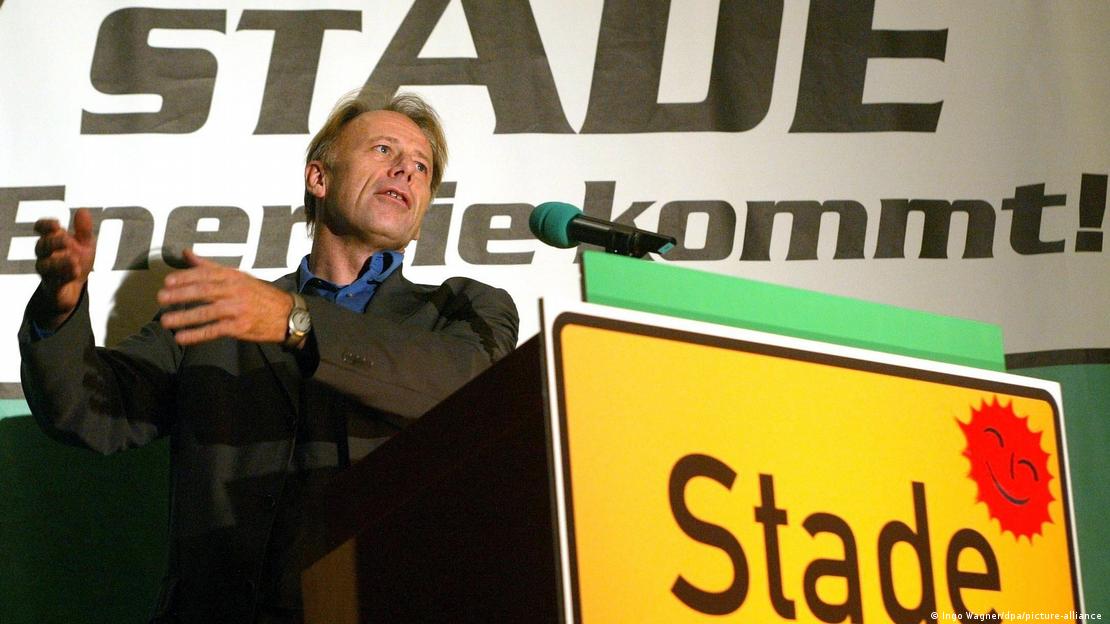
In Germany, Jürgen Trittin, then Green Environment Minister, imposed the first decision to give up nuclear power in 2002. This decision was later eased by successive governments, but the terrible nuclear disaster at Fukushima in Japan in 2011 finally sealed the fate of German nuclear plants. The Chancellor, Angela Merkel (CDU), established the end of nuclear power in Germany. Trittini is also today a Green MP in Bundestag, and in an interview for DW for the current final closing date says: “Y, it's an important day because it marks the end of a story, that of civilian use of nuclear power. But this isn't the end of nuclear power in Germany, we're still dealing with the world's most dangerous remains, which we're going to have to safely store for a million years”.
What do nuclear energy supporters say?
Is that really the end of nuclear power in Germany? Asked by the DW, the German nuclear technology interest group “KernD” said the removal of nuclear power overall was not a good idea because of the energy crisis: ” Even in the function of climate policy and highly unfavourable evolution of electricity production last year, due to the sharp increase in electricity production from coal, the closure of three nuclear power plants at work that produce little greenhouse gas is not understandable”. And they add: “considering the security of supply, environmental and climate protection, as well as competition together, it would be wiser to produce more electricity from nuclear resources than at all. ”
Nuclear Energy in the World Today
According to the International Atomic Energy Agency (IAEA), 422 nuclear reactors are currently in operation worldwide, with an average age of about 31 years. A recent IAEA report, however, states that we cannot talk about a return to nuclear power. For the production of electricity from nuclear power plants in the world, we can read: “in 1996 reached a peak of 17.5 percent, but in 2021 this value fell below ten percent, for the first time in four decades”. And Jürgen Tritttin points out that nobody wants to invest “in nuclear energy, because nuclear energy is not competitive”. The construction of new nuclear plants is very expensive; they are often co-financed by taxes. Delays and objections to new projects are repeated.
Japan Returns Nuclear Power Despite Fukushima
However, it is mainly China, Russia and India that want to build new nuclear plants. China, where there are practically no civil society opposing the new projects, wants to build 47 other objects. China now produces more nuclear energy than France. Russia and India also lead with their expansion plans. It has been regularly argued that the development of nuclear power protects the climate, because production practically does not generate carbon dioxide.
Japan too wants nuclear power back, despite the 2001 earthquake, which erupted several nuclear reactors after another. At that time, all nuclear power plants were shut down. But gradually some reactors returned to the ministry. The Japanese government has now made a decision: Japan, poor in raw materials, wants to build new reactors and let the elderly function for up to 70 years. “In the polls, it enjoys increased public support after long periods of opposition. / DW